
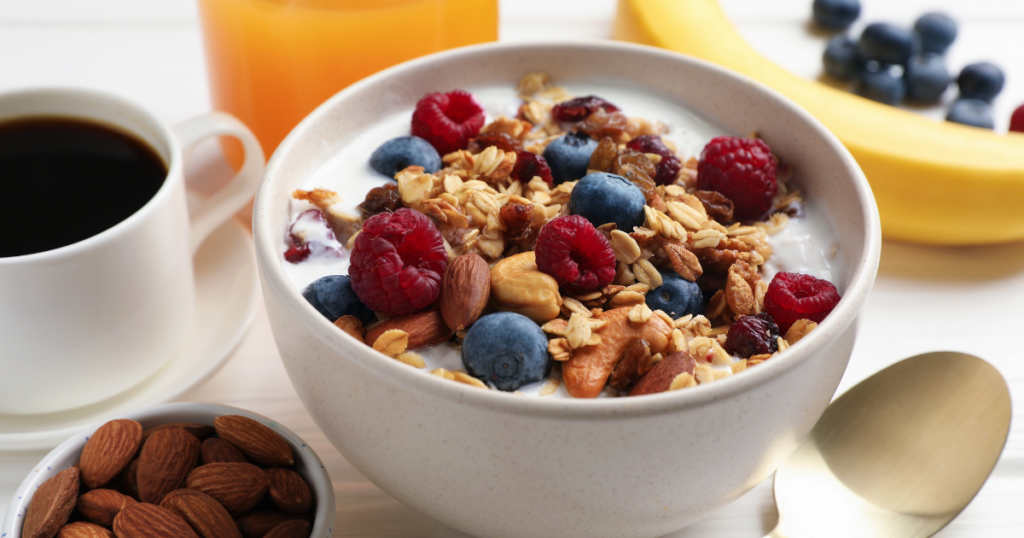
Every morning in Waimea, Hawaii, I used to rush out the door with just a cup of tea and a few crackers. By 10 AM, I was starving, distracted, and reaching for anything I could find. That’s when I started exploring low calorie breakfast ideas that keep you full and energized, and honestly, it changed how I felt every single day. A smart morning meal isn’t about cutting back. It’s about choosing foods that actually work for your body, not against it.
What Is a Low Calorie Breakfast and Why It Matters
Let’s clear this up right away. A low calorie breakfast doesn’t mean a sad, tiny plate of food that leaves you hungry an hour later.
Simple Definition
A well-built low calorie breakfast typically falls between 200 and 400 calories. It focuses on three things: protein, fiber, and hydration. Those three things together slow down hunger and give you real, lasting energy.
It’s not about restriction. It’s about intention.
Why Breakfast Impacts Your Entire Day
Here’s something I learned the hard way. When you skip breakfast or eat the wrong thing, your blood sugar swings all morning. You get hungry faster. You make worse food choices at lunch.
Research backs this up. <br>Studies show that people who skip breakfast tend to eat more calories overall during the day. They also report lower energy and weaker focus in the morning hours.
A smart breakfast helps you:
- Control hunger before lunch even arrives
- Stabilize blood sugar so there’s no mid-morning crash
- Improve mental focus for work, study, or exercise
- Build a healthy eating pattern for the whole day
Real-Life Morning Scene
Picture this. You wake up a little groggy. You’re running late. You grab tea and a biscuit and head out. By 10 AM, your stomach is growling. You grab whatever is nearby, usually something sugary or processed. That one bad choice sets the tone for the rest of the day.
That’s not a willpower problem. That’s a breakfast problem. And the fix is simpler than you think.
Ideal Calories for Breakfast Based on Your Goal
There’s no single magic number. Your ideal breakfast calories depend on your body, your goals, and your daily activity.
General Guidelines
Here’s what I follow based on nutrition guidance I’ve studied and tested on myself:
- Weight loss goal: 250–350 calories
- Weight maintenance: 350–500 calories
- Active lifestyle or morning workout: 400–550 calories
Factors That Matter
A few things change the equation:
- Activity level, If you hit the gym in the morning, you need more fuel.
- Total daily intake, Breakfast is one piece of the puzzle, not the whole picture.
- Metabolism, Some people burn through calories faster than others.
- Age, Caloric needs shift as we get older.
Expert Insight
The Cleveland Clinic recommends starting your day with a breakfast rich in both protein and fiber. Their guidance is clear: this combination controls appetite and keeps energy levels steady throughout the morning. I’ve found this to be 100% true in my own experience.
Key Components of a Healthy Low Calorie Breakfast
This is where most people go wrong. They load up on carbs alone, toast, cereal, juice, and wonder why they’re hungry again so fast. Here’s what actually works.
Protein, The Real Game-Changer
Protein is the most powerful tool in your breakfast. It reduces hunger hormones like ghrelin and boosts fullness hormones like peptide YY. In plain terms: it keeps you satisfied longer.
My top protein choices for breakfast:
- Eggs, A boiled egg has about 70 calories and 6 grams of protein. Hard to beat.
- Greek yogurt, High in protein, low in fat, and easy to grab and go.
- Cottage cheese, Underrated. Creamy, filling, and packed with casein protein.
- Egg whites, Very low calorie, very high protein. Great for omelets.
Fiber-Rich Foods, The Fullness Secret
Fiber slows down digestion. That means you stay full longer without eating more calories. It also keeps blood sugar stable, which prevents that awful energy crash around 10 or 11 AM.
Great fiber sources for breakfast:
- Oats, One cup gives you about 4 grams of fiber and keeps you full for hours.
- Fruits, Berries, apples, and bananas all bring fiber plus natural sweetness.
- Vegetables, Spinach, peppers, and mushrooms in your eggs add bulk without calories.
- Chia seeds, Two tablespoons pack nearly 10 grams of fiber.
Healthy Fats, Small But Important
You don’t need a lot of fat at breakfast. But a little goes a long way. Healthy fats from nuts, seeds, and avocado help your body absorb vitamins. They also add a satisfying richness that makes you feel truly done eating.
Keep portions small here. A tablespoon of peanut butter or a small handful of almonds is plenty.
Hydration, The Missing Piece
Most people forget this one. Drinking water first thing in the morning jump-starts your digestion and helps your body wake up. Herbal tea and black coffee are great too, no added calories, and both offer a gentle energy lift.
Table: Ideal Low Calorie Breakfast Plate Structure
From practical experience and nutrition science, this balance keeps you full without excess calories, even on the busiest mornings.
| Component | Portion (%) | Example Foods |
|---|---|---|
| Protein | 30–40% | Eggs, Greek yogurt, cottage cheese |
| Fiber | 30–40% | Oats, fruits, vegetables |
| Complex Carbs | 20–30% | Whole grain bread, oats |
| Healthy Fats | 5–10% | Nuts, seeds, avocado |
Follow this structure for a week. You’ll notice fewer cravings, steadier energy, and less mindless snacking in the afternoon.
Best Low Calorie Breakfast Ideas for Busy Mornings
Let’s be honest. Most mornings are rushed. You don’t have 30 minutes to cook something elaborate. These ideas are fast, filling, and actually delicious.
Quick Options (Under 10 Minutes)
1. Boiled Eggs + Fruit Two boiled eggs plus a banana or an apple. That’s roughly 240 calories, strong protein, and natural fiber. Prep the eggs the night before and it takes zero time in the morning.
2. Greek Yogurt + Honey + Nuts One cup of plain Greek yogurt, a small drizzle of honey, and a handful of walnuts. About 280 calories, 20+ grams of protein, and healthy fats. Creamy, satisfying, and ready in two minutes.
3. Oats with Milk One cup of rolled oats cooked in low-fat milk. Add some cinnamon and a few berries. Around 300 calories, 7–8 grams of fiber, and a warm, comforting start. Genuinely one of my favorites on cold mornings.
4. Veggie Egg White Omelet Three egg whites with spinach, mushrooms, and a sprinkle of feta cheese. Under 200 calories, high protein, and surprisingly filling. The veggies add volume without adding many calories at all.
5-Minute Breakfasts
5. Banana + Peanut Butter One banana with one tablespoon of natural peanut butter. Around 200 calories. Quick energy from the banana, lasting fullness from the peanut butter. I eat this before early morning walks constantly.
6. Protein Smoothie Blend one cup of almond milk, half a banana, one scoop of protein powder, and a handful of spinach. About 250 calories, 25+ grams of protein, and barely any prep time. You can drink it on the way out the door.
7. Overnight Oats Mix rolled oats, chia seeds, almond milk, and berries in a jar the night before. Refrigerate overnight. Grab it in the morning, no cooking required. Around 300 calories, rich in fiber and protein.
Ultra-Lazy Morning Solutions
8. Tea + 1 Egg + 1 Whole Grain Toast This is my backup plan on the busiest days. Black tea, one boiled egg, and a slice of whole grain toast. About 200 calories, but it’s balanced, carbs, protein, and hydration. Simple, but it works.
9. Cottage Cheese + Fruit One cup of low-fat cottage cheese with sliced strawberries or pineapple. Around 220 calories, very high in protein. Takes about 90 seconds to prepare and genuinely keeps hunger away until lunch.
Table: Popular Breakfast Foods and Their Calories
Understanding what you’re actually eating removes the guesswork. Here’s a quick reference I use all the time:
| Food Item | Calories | Key Benefit |
|---|---|---|
| Boiled egg (1 large) | 70 | High protein, very filling |
| Oats, rolled (1 cup cooked) | 150 | High fiber, sustained energy |
| Banana (medium) | 100 | Quick energy, potassium |
| Whole grain bread (1 slice) | 80 | Fiber, slower digestion |
| Greek yogurt, plain (1 cup) | 130 | High protein, probiotics |
| Cottage cheese (1 cup low-fat) | 160 | Very high protein |
| Almond butter (1 tbsp) | 98 | Healthy fats, satiety |
| Chia seeds (2 tbsp) | 138 | Fiber, omega-3s |
| Berries, mixed (1 cup) | 70 | Antioxidants, fiber |
| Sugary cereal (1 cup) | 200+ | High sugar, low satiety |
| White bread (1 slice) | 80 | Fast digestion, less filling |
| Flavored yogurt (1 cup) | 190+ | Often high in added sugar |
Small swaps based on this table can completely change how you feel all morning.
Common Mistakes in Low Calorie Breakfasts
Even when people try to eat healthy in the morning, they make a few key mistakes. I’ve made every single one of these. Let me save you the trouble.
Mistake 1: Skipping Breakfast
This feels like a good idea, fewer calories consumed, right? But it almost always backfires. When you skip breakfast, you arrive at lunch ravenous. You eat faster, eat more, and often choose something high-calorie because your body is screaming for energy.
Studies consistently show that skipping breakfast is associated with higher total calorie intake during the day, not lower.
Mistake 2: Only Eating Carbs
Tea and biscuits. Toast and jam. Cereal and milk. These are classic carb-only breakfasts. They give you a quick spike in blood sugar, then a fast crash. By mid-morning, you’re tired, hungry, and irritable.
Add protein to your breakfast. It’s the single biggest change you can make.
Mistake 3: Hidden Calories
Some “healthy” breakfast choices are quietly loaded with calories:
- Flavored yogurt, Often has 25+ grams of added sugar.
- Packaged granola, Can easily be 400+ calories per cup.
- Fruit juice, Pure sugar, no fiber, and won’t fill you up.
- Nut butters in excess, Healthy, but 200 calories per two tablespoons adds up fast.
- Sweetened coffee drinks, A flavored latte can have 300–500 calories alone.
Read nutrition labels. The calories in drinks and sauces sneak up on you.
Mistake 4: Eating Too Fast
Your stomach takes about 20 minutes to signal fullness to your brain. If you eat in five minutes, you’ve already overeaten before your body even registers that you’re full. Slow down. Even ten minutes of mindful eating makes a difference.
How to Stay Full Until Lunch
This is the real goal, isn’t it? Low calories are great. But if you’re starving by 11 AM, the plan isn’t working. Here’s how to extend that fullness.
Prioritize Protein First
When I structure breakfast around protein, eggs, yogurt, cottage cheese, I genuinely don’t feel hungry until noon or later. Protein signals satiety hormones and suppresses hunger hormones more effectively than any other macronutrient.
Aim for at least 20 grams of protein at breakfast. That’s roughly three eggs, or one cup of Greek yogurt.
Add Fiber Intentionally
Fiber slows the movement of food through your digestive system. That means the fullness from breakfast lasts much longer. Oats, chia seeds, berries, and whole grains are your best tools here.
Pair protein and fiber together? Even better. This combination is the most powerful strategy for lasting morning fullness.
Drink Water Alongside Your Meal
Water takes up space in your stomach. It also supports digestion and helps your body process nutrients from your food. Drinking a full glass of water with breakfast can extend how full you feel without adding a single calorie.
Don’t Skip Breakfast to “Save” Calories
I know I already covered this, but it’s worth repeating. Skipping breakfast doesn’t save calories, it usually costs you more later. Fuel your morning with intention, and the rest of the day becomes much easier to manage.
Real-Life Breakfast Routine Example
Let me walk you through what my actual morning looks like now, versus what it used to be.
Before: Tea + two biscuits. Done in three minutes. Hungry by 9:30 AM. Ate a muffin from the office. Felt bloated by noon.
Now:
- 2 boiled eggs (prepped the night before)
- 1 medium banana
- Black tea with just a tiny splash of milk
Total: roughly 270 calories. Takes five minutes to put together. I feel light, clear-headed, and I’m not thinking about food again until 12:30 or 1 PM.
The difference isn’t dramatic food prep or expensive ingredients. It’s just a smarter combination of what I already had.
Low Calorie Breakfast for Different Goals
What works for weight loss looks a little different from what works for maintaining weight or boosting energy for a workout. Here’s how to adjust.
Weight Loss
- Lead with protein: 25–35 grams per meal.
- Keep sugar low: Choose plain yogurt over flavored. Choose fruit over juice.
- Watch portions of healthy fats, they’re nutrient-dense but high-calorie.
- Target 250–350 calories for breakfast to leave room in your daily budget.
Weight Maintenance
- Balanced plate: Follow the plate structure from the table above.
- Include complex carbs: Whole grain toast, oats, or quinoa for sustained energy.
- Target 350–500 calories based on your activity level.
Energy Boost (Active Mornings, Morning Workouts)
- Add complex carbs before or after exercise: oats, banana, whole grain toast.
- Don’t skip protein: Muscles need amino acids after a workout.
- Hydrate well, energy crashes are often dehydration in disguise.
- Target 400–550 calories if you’re exercising in the morning.
Expert Advice: What Nutrition Science Actually Says
I want to share some real guidance from credible sources, not just my own experience.
Dr. Frank Hu, a professor of nutrition and epidemiology at Harvard T.H. Chan School of Public Health, has written extensively on the subject. His research highlights that a breakfast rich in whole foods, minimally processed, high in fiber and protein, supports better long-term health outcomes and weight management.
The research is consistent across studies. High-protein breakfasts reduce appetite later in the day. Low-glycemic breakfasts lead to fewer cravings. Fiber-rich morning meals stabilize energy and improve concentration.
This isn’t a fad. It’s well-established nutrition science. And it’s surprisingly simple to apply.
Table: High-Calorie vs Low-Calorie Breakfast Swaps
You don’t have to give up everything you love. Small, smart swaps make a massive difference over time.
| High-Calorie Choice | Low-Calorie Alternative | Approx. Calories Saved |
|---|---|---|
| Paratha with oil and butter | Thin roti + boiled egg | ~200 calories |
| Sugary flavored cereal | Plain rolled oats + berries | ~150 calories |
| Sweetened milk tea (2 cups) | Black tea or green tea | ~100 calories |
| Pastry or croissant | Whole grain toast + peanut butter | ~200 calories |
| Flavored yogurt cup | Plain Greek yogurt + honey | ~120 calories |
| Fruit juice (12 oz) | Whole fruit + water | ~100 calories |
| Pancakes with syrup | Banana egg pancakes + berries | ~250 calories |
These are real swaps you can make this week. No extreme dieting. No willpower marathons. Just smarter versions of what you already eat.
Emotional Eating in the Morning, It’s More Common Than You Think
Not every breakfast choice is a logical one. I want to be honest about this, because I’ve been there.
Comfort Eating
Some mornings, you’re stressed, tired, or just emotionally drained. You reach for something heavy and comforting, a big sugary pastry, a huge plate of oily food. It’s not about hunger. It’s about mood.
This is normal. But it’s worth noticing the pattern.
Habit Eating
You eat the same thing every morning not because it’s good for you, but because it’s what you’ve always done. Habits are powerful. But they can be changed, one small swap at a time.
How to Fix It
- Change one item at a time. Don’t overhaul everything. Swap your biscuit for a boiled egg. Start there.
- Notice how different foods make you feel two hours after eating. This is the most powerful feedback loop.
- Don’t overcomplicate it. The best breakfast is one you’ll actually eat consistently.
Best Drinks with a Low Calorie Breakfast
Drinks are sneaky. They can add hundreds of calories without making you feel full at all. Choose wisely.
Best Choices
- Water, The best morning drink. Free, calorie-free, and your body actually needs it after hours of sleep.
- Green tea, Light caffeine, antioxidants, and zero calories. A great wake-up call.
- Black coffee, If you drink coffee, black is best. It supports metabolism and has virtually no calories.
- Herbal tea, No caffeine, no calories. Chamomile, ginger, and peppermint are great morning options.
Drinks to Avoid or Limit
- Sweetened fruit juice, High sugar, zero fiber, no satiety value.
- Flavored lattes and cappuccinos, Can easily contain 300–500 calories.
- Sweet chai with milk and sugar, Can add 150–200 hidden calories per cup.
- Sports drinks, Not designed for morning use. High in sugar.
Cultural Approach: Smart Local Adjustments for South Asian Breakfasts
I love South Asian food. The flavors, the spices, the comfort of a warm breakfast. You don’t need to abandon your food culture to eat a low calorie, filling breakfast.
Smart Local Adjustments
Instead of fried paratha: Try a thin, dry-roasted roti with a boiled egg or dal on the side. Similar flavors, far fewer calories.
Instead of heavy sweetened tea: Reduce the sugar gradually. One less spoon per week. Your taste buds adapt faster than you expect.
Instead of packaged biscuits or sweets: Try a banana or a small bowl of fruit. Just as convenient, far more nutritious.
Add eggs to your morning: Eggs are affordable, quick to cook, and universally loved. They transform a carb-heavy breakfast into a balanced meal.
Use lentils (dal): A small serving of simple dal with roti is actually an excellent high-protein, high-fiber breakfast. Traditional wisdom meets modern nutrition science.
The goal is the same kitchen, the same comfort, just smarter cooking choices.
Tools and Apps to Track Breakfast Calories
If you want accuracy and accountability, calorie tracking apps are incredibly helpful. I used them for about three months when I was really dialing in my nutrition. They built my awareness in a way that’s hard to replicate otherwise.
Popular Options
- MyFitnessPal, Massive food database. Easy to log meals. Shows macro breakdowns clearly.
- Lose It!, Clean interface, great for beginners. Easy to search and add foods.
- Cronometer, Best for detailed micronutrient tracking if you want deeper insight.
Why Use Them
- You’ll discover that some “healthy” foods have far more calories than you expected.
- You’ll see exactly where protein, fiber, or water is lacking in your day.
- The habit of logging builds long-term awareness, even after you stop using the app daily.
You don’t need to track forever. A few weeks of honest tracking teaches you more about your eating habits than months of guessing.
Building a Sustainable Breakfast Habit
This is where real, lasting change happens. The perfect breakfast you do once a week is far less valuable than a good-enough breakfast you eat every single day.
Start Small
Pick one change this week. Just one. Add an egg to whatever you already eat. Swap one cup of sweet tea for a glass of water. Replace packaged cereal with a bowl of plain oats.
Small wins build momentum. Don’t try to overhaul everything at once.
Keep It Enjoyable
Food is one of life’s genuine pleasures. A breakfast you dread eating is a breakfast you’ll quit eating. Find the options from this article that genuinely appeal to you. Try them. Adjust them to your taste. Make them yours.
Stay Consistent
Consistency beats perfection every single time. Some mornings will be rushed and your breakfast will be basic. That’s fine. What matters is the overall pattern over weeks and months, not any single morning.
Prep When You Can
Boil eggs on Sunday night. Mix overnight oats before bed. Keep Greek yogurt in the fridge. Keep fruit washed and ready. Reducing the friction of healthy eating is one of the most underrated strategies in nutrition.
How Meal Prepping Changes Everything
I didn’t believe in meal prep until I tried it. Now I can’t imagine my mornings without it. Spending 20 minutes on a Sunday evening means I don’t have to think about breakfast for the rest of the week.
What to Prep in Advance
Boiled eggs: Boil six to eight eggs and refrigerate them. They last up to a week. Peel them and they’re ready to grab in seconds.
Overnight oats: Prepare four jars at once. One jar per morning, Monday through Thursday. Each jar takes two minutes to put together and requires zero cooking.
Smoothie packs: Portion your smoothie ingredients, frozen fruit, spinach, protein powder, into zip bags. Store in the freezer. In the morning, dump one bag into the blender with milk and blend. Done in under two minutes.
Washed fruit: Wash and slice fruit on Sunday. Store in clear containers at eye level in the fridge. When healthy food is visible and ready, you’re far more likely to actually eat it.
The Mental Benefit
Meal prep removes decision fatigue from your morning. You don’t have to think “what should I eat?” You already know. You already prepared it. That small mental relief makes it much easier to stay consistent with healthy eating.
The Connection Between Breakfast and Weight Management
This section is worth reading carefully, because there’s a lot of confusion around this topic.
Does Breakfast Cause Weight Loss?
Not directly, no. Eating breakfast doesn’t automatically cause fat loss. But the right breakfast creates conditions that support weight management in meaningful ways.
Here’s how it works:
Blood sugar stability, A protein and fiber-rich morning meal keeps blood sugar steady. Stable blood sugar means fewer cravings, less afternoon snacking, and better food choices at lunch and dinner.
Reduced overeating later, When you’re not ravenous by noon, you don’t overeat at lunch. When you don’t overeat at lunch, you’re not sluggish in the afternoon. The entire day flows better.
Thermogenesis, Eating breakfast slightly boosts your metabolic rate for a few hours. This effect is small, but real. Your body burns a few extra calories just processing the food.
Muscle preservation, Getting protein early in the day helps your body maintain muscle mass, especially important if you’re in a calorie deficit. More muscle means a higher resting metabolism.
What the Research Actually Shows
Multiple large-scale studies have found that people who eat breakfast regularly tend to have lower body weight than those who skip it. However, correlation isn’t causation, these are often people with generally healthier habits overall.
The key takeaway: breakfast is a tool. Use it wisely. The right low calorie, high-protein, high-fiber breakfast supports your overall health and weight goals. A sugary, processed breakfast does the opposite.
Seasonal and Budget-Friendly Low Calorie Breakfast Ideas
Eating healthy doesn’t have to be expensive. Some of the best low calorie breakfast foods are also among the most affordable items at any grocery store.
Budget-Friendly Staples
- Eggs, One of the cheapest high-protein foods available. Boil a batch for the week.
- Rolled oats, Extremely affordable. Buy in bulk and you have breakfast covered for weeks.
- Bananas, Consistently one of the lowest-cost fruits. Nutrient-dense and portable.
- Cottage cheese, High protein, low cost. Often cheaper than Greek yogurt.
- Frozen berries, More affordable than fresh, same nutritional value, great in oats or smoothies.
- Canned tuna, Unconventional for breakfast, but high protein and very cheap.
Seasonal Adjustments
In warmer months: Smoothies, yogurt parfaits, overnight oats with fresh berries, fruit salads with cottage cheese. Light, cool, and refreshing.
In cooler months: Warm oatmeal with cinnamon and apple, scrambled eggs with sautéed vegetables, herbal tea with a boiled egg and toast. Comforting without being heavy.
Eating seasonally also tends to be more affordable and more flavorful, since fresh produce is at its peak.
Final Thoughts: Start Your Day the Right Way
A low calorie breakfast that keeps you full and energized isn’t about restriction. It’s about intention.
You don’t need exotic ingredients or complex recipes. You need protein, fiber, and a little consistency. That’s it. The mornings I commit to a smart breakfast are the mornings I feel sharpest, most focused, and most in control of what I eat for the rest of the day.
Some mornings will be perfect. Others will be two boiled eggs and black tea eaten while standing. Both count. Both are better than nothing. Build the habit, not the ideal.
Your mornings, and your energy, are worth investing in.
Final Recommendation
After years of experimenting with my own morning routine and studying what nutrition science actually says, here’s my straightforward recommendation.
Start with protein. Every breakfast, no matter how rushed, should include at least one protein source. An egg. A cup of Greek yogurt. A scoop of protein powder in a smoothie. Protein is the single most powerful tool for lasting morning fullness.
Add fiber. Oats, fruit, chia seeds, or vegetables. Even one serving of fiber makes a measurable difference in how long breakfast keeps you satisfied.
Watch your drinks. Black coffee, green tea, herbal tea, and water are your best options. Sweetened drinks quietly destroy your calorie budget without adding any real nutrition or fullness.
Make small swaps, not dramatic changes. Replace the flavored yogurt with plain. Add an egg to your toast. Swap the juice for whole fruit. These tiny decisions add up to big changes over months.
Track for a few weeks if you’re serious about understanding your eating. Most people are surprised by how many hidden calories are in “healthy” options.
Be consistent, not perfect. The best low calorie breakfast ideas that keep you full and energized are the ones you’ll actually eat, consistently, week after week. Find what works for your life, your taste, and your schedule. Then do it.
Start tomorrow morning. You’ll feel the difference within a week.
Start Strong: Low Calorie Breakfast Ideas That Keep You Full and Energized
A good morning meal sets the tone for your whole day. Use these low calorie breakfast ideas that keep you full and energized to fuel your body the right way.
Oatmeal and eggs are top picks. They have lots of fiber and protein. These are great low calorie breakfast ideas that keep you full and energized.
Slow-burning fuel gives you steady power. You will not feel a crash after you eat. This is a simple and smart way to stay sharp and active all morning.
Yes, it is very high in protein and low in sugar. Add a few berries for a sweet and healthy touch. It is one of the best low calorie breakfast ideas.
It is better to eat a small, light meal. This stops you from getting too hungry later. A light breakfast helps you stay on track with your daily goals.
A protein shake with a piece of fruit is very quick. It gives you the fuel you need to start your work. This keeps you full and energized with no stress.

Dr. Selim Yusuf, MD, PhD
Founder & Chief Medical Editor, Maintenance Calorie Calculator Expertise: Clinical Nutrition, Metabolic Health, and Exercise Physiology
Experience: 15+ Years of Practical & Clinical Experience
Dr. Selim Yusuf is a licensed physician, clinical research scientist, and dedicated metabolic health expert with over 15 years of practical experience diagnosing, managing, and treating health and nutritional issues. As the founder and chief medical editor of Maintenance Calorie Calculator, Dr. Yusuf combines a rigorous academic background with years of frontline clinical experience to provide evidence-based, highly accessible nutritional tools for the public.
Dr. Yusuf earned his Doctor of Medicine (MD) from the Johns Hopkins University School of Medicine, where he graduated with honors and developed a deep interest in preventive medicine and metabolic health disorders. Following his medical residency, he pursued advanced academic research, earning a PhD in Nutritional Sciences and Metabolism from Harvard University.
His academic and clinical training uniquely bridges the gap between complex biochemical pathways (how the human body extracts energy from food) and practical, everyday clinical care. Over the course of his 15-year career, he has authored multiple peer-reviewed research papers focusing on the management of obesity, metabolic adaptation during prolonged calorie restriction, and macronutrient optimization for lean mass preservation.
Before transitioning his focus to digital health utility platforms, Dr. Yusuf served as an administrative lead and consulting metabolic specialist within top-tier university medical centers. Beyond his institutional roles, he has worked extensively as an elite evidence-based fitness and metabolic coach, guiding hundreds of individuals, ranging from sedentary desk workers battling chronic metabolic slowdowns to competitive athletes looking to optimize body composition.
Throughout his 15 years of practice, Dr. Yusuf noticed a recurring barrier to sustainable patient success: the mathematical confusion surrounding daily nutrition. He observed that most individuals fail to reach their physical goals not from a lack of effort, but because they lack a precise biological baseline.