A plate stacked high with vegetables looks like a lot of food. But the calorie count can be astonishingly low. That gap between visual volume and actual calorie content is the entire nutritional advantage of less calories vegetables, and it is the most underused tool in weight management. Working with clients across nutrition coaching in Miami, Florida, the pattern that consistently separated people who succeeded at weight loss from those who struggled was not gym intensity or willpower. It was what they ate between meals and alongside their main food.
The people who built their plates around low-calorie vegetables ate more total food, felt more satisfied, and maintained their calorie deficit with far less effort. This guide covers every practical aspect of using less calories vegetables for weight loss: which ones matter most, how to use them in real daily meals, what the research says about why they work, and how to make them enjoyable rather than a chore.
What Are Less Calories Vegetables?
The term gets used loosely, so a clear definition establishes the practical framework for everything that follows.
Simple Definition
Less calories vegetables share three specific characteristics:
- Vegetables low in calories per 100g: most fall between 14-35 calories per 100 grams, compared to approximately 130 calories per 100 grams for white rice or 280 calories per 100 grams for bread
- High in water and fiber: water content of 89-96% provides physical bulk at essentially zero calorie cost; dietary fiber adds texture, slows digestion, and triggers satiety hormones
- Provide volume without energy overload: a large bowl of cucumber slices (approximately 400 grams) delivers approximately 64 calories, the same quantity of almonds would be approximately 2,300 calories
Why They Matter
Less calories vegetables serve three distinct roles in weight management:
- Help maintain calorie deficit: because they are calorie-sparse, incorporating them into meals reduces the total calorie density of the eating occasion without reducing its physical size or perceived completeness
- Keep you full longer: the combination of fiber and water triggers the gastric stretch receptors that signal the brain about fullness, producing satiety signals before significant calorie intake has occurred
- Improve digestion and gut health: dietary fiber from vegetables supports beneficial gut bacteria, promotes regular bowel movements, and reduces digestive inflammation, all of which contribute to sustained healthy weight management
Science Behind It
The mechanism behind less calories vegetables connects directly to the Energy Density principle established by nutrition research:
- Energy density is the number of calories per gram of food: water is zero calories per gram; fat is 9 calories per gram. Foods with very high water content have extremely low energy density, they occupy significant stomach volume per calorie delivered.
- Barbara Rolls at Penn State University published landmark research establishing that eating low-energy-density foods first allows people to reduce total meal calorie intake by 10-20% without experiencing greater hunger. This is the scientific foundation of the vegetable-first approach.
Why Low-Calorie Vegetables Work So Well for Weight Loss
Understanding why less calories vegetables are effective at a practical level, not just a theoretical one, helps build the motivation to use them consistently.
You Eat More, Not Less
The central psychological benefit of building meals around less calories vegetables:
- Big portions without guilt: the visual and physical experience of a large plate of food activates satisfaction expectations in the brain before a single bite is taken. When that large plate is primarily vegetables, the calorie total is low while the eating experience feels abundant, not restrictive.
- Research consistently shows that people who are served larger volumes of food eat more total volume regardless of calorie content. Less calories vegetables leverage this behavioral tendency in favor of calorie control.
They Stretch Your Meals
Meal stretching with vegetables is one of the most practically useful weight management strategies:
- You do not feel deprived: adding two cups of steamed broccoli and zucchini to a pasta dish increases the total food volume by approximately 300%, while adding only 60-70 calories. The pasta portion can be reduced without the meal feeling smaller.
- The same strategy applies to rice, stir-fries, soups, curries, and sandwiches, any dish can be stretched with less calories vegetables without fundamentally changing its character
They Reduce Snacking
One of the most practically important effects of adequate vegetable intake is reduced between-meal eating:
- Fiber keeps you satisfied longer: the soluble fiber in vegetables forms a gel in the digestive tract that slows gastric emptying, extending the post-meal satiety window. People who eat fiber-rich vegetable portions at meals consistently report fewer hunger-driven snacking urges in the hours afterward.
- The practical outcome: a lunch that includes two cups of raw or steamed vegetables alongside protein reduces the 3 p.m. snack craving that most people experience when lunch was primarily refined carbohydrates
Real-Life Moment
A late afternoon in Seattle, Washington. Not genuinely hungry, just that familiar restless feeling that looks like hunger but is probably boredom or thirst. The easiest response is a packaged snack. The better response: a bowl of chilled cucumber slices with a squeeze of lemon, a sprinkle of salt, and whatever spice is available. The total calorie cost is approximately 25-30 calories. The physical eating experience, the crunch, the cold, the flavor, satisfies the urge completely. The biscuit alternative would have been 150-200 calories with zero nutritional benefit. This is less calories vegetables in practical action.
Complete List of Less Calories Vegetables (Grouped Smartly)
Organizing vegetables by their practical use profile makes it easier to incorporate them into real daily eating rather than thinking about them abstractly.
Leafy Greens
The most calorie-sparse vegetable category:
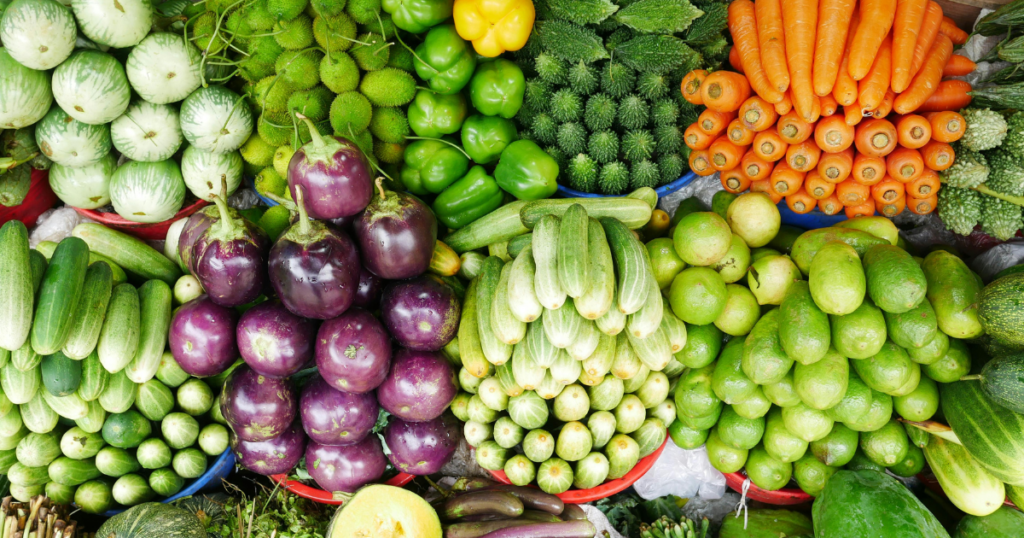
- Spinach: 23 calories per 100g raw. Wilts to a fraction of its volume when cooked, making it easy to incorporate large quantities into eggs, stir-fries, soups, and smoothies without significantly changing the dish.
- Lettuce (romaine): 15 calories per 100g. The base of any salad bowl; provides physical volume, crunch, and mild flavor at virtually zero calorie cost.
- Kale: approximately 35 calories per 100g. Slightly higher calorie than other leafy greens but rich in calcium, vitamin K, vitamin C, and manganese, exceptional nutritional density at a very low calorie cost.
Watery Vegetables
The highest water content vegetables, maximum volume at minimum calories:
- Cucumber: 16 calories per 100g, 96% water. The most calorie-efficient vegetable available. A 400-gram cucumber is 64 calories with meaningful fiber and water.
- Zucchini (courgette): 17 calories per 100g. Mild flavor that absorbs sauces and seasonings well; excellent as a pasta substitute when spiralized or as a rice extender.
- Bottle gourd (lau): 14-20 calories per 100g. Extremely high water content. A staple in South Asian cooking that provides volume in curries and soups at minimal calorie addition.
Crunchy and Filling Vegetables
Vegetables with satisfying texture that addresses the physical desire to chew:
- Cabbage: 25 calories per 100g with 2.5 grams of fiber. Raw in coleslaw or slaws, fermented as kimchi or sauerkraut, or cooked in stir-fries, versatile and consistently available at very low cost
- Cauliflower: 25 calories per 100g. Has become one of the most versatile less calories vegetables in Western cooking because it substitutes for rice (cauliflower rice), mashed potato, and pizza crust with minimal calorie contribution.
- Carrots: 41 calories per 100g, slightly higher than other vegetables in this section, but the crunch, natural sweetness, and visual satisfaction make them one of the most effective snacking vegetables available
Light Cooking Vegetables
Vegetables that work well in everyday cooked dishes:
- Eggplant (brinjal): approximately 25 calories per 100g raw. Absorbs flavor from spices and sauces; particularly well-suited to low-oil preparations because it is naturally filling from its spongy texture.
- Okra: approximately 33 calories per 100g. Contains soluble fiber (mucilage) that slows digestion and supports gut health; very common in South Asian and Southern American cooking.
- Green beans: approximately 31 calories per 100g. Easy to steam or stir-fry quickly; mild flavor that pairs with virtually any seasoning or protein.
Table 1: Popular Low-Calorie Vegetables and Nutrition Breakdown
This table provides practical nutrition data for the most commonly available less calories vegetables. The water content and fiber data explain why these vegetables produce satiety disproportionate to their calorie contribution.
| Vegetable | Calories (per 100g) | Fiber (per 100g) | Water Content |
| Cucumber | 16 calories | 0.5g | 96% water |
| Lettuce (romaine) | 15 calories | 1.3g | 95% water |
| Spinach (raw) | 23 calories | 2.2g | 91% water |
| Zucchini | 17 calories | 1.0g | 94% water |
| Cabbage (raw) | 25 calories | 2.5g | 92% water |
| Cauliflower | 25 calories | 2.0g | 92% water |
| Celery | 14 calories | 1.6g | 95% water |
| Broccoli | 31 calories | 2.4g | 89% water |
The Pattern Behind the Numbers
The table reveals the consistent nutritional signature of less calories vegetables: water content above 89% in every entry. This is not coincidence. High water content is the primary mechanism that makes vegetables filling at very low calorie density. The fiber content adds the secondary mechanism, slowing digestion and triggering satiety hormones even after the stomach has partially emptied. Together, these two variables explain why research consistently shows that people who eat more vegetables consume fewer total daily calories without feeling more deprived.
How to Use Low-Calorie Vegetables in Daily Meals
Knowing which vegetables are low-calorie is necessary but not sufficient. Using them consistently requires a practical system that fits into real daily eating patterns.
Start Meals with Vegetables
The vegetable-first eating sequence is one of the most research-supported behavioral strategies in weight management:
- Eat salad or a vegetable portion before the main meal: research published in Appetite found that eating a large vegetable salad before a pasta lunch reduced total meal calorie intake by 7-12%, because the fiber and water from the salad produced early satiety signals before the higher-calorie foods were served
- Even a simple cucumber and tomato salad with lemon juice before the main meal reduces the calorie density of the total eating occasion. This one habit, applied consistently over months, produces meaningful cumulative calorie reduction without any other dietary change.
Mix into Main Dishes
Incorporating less calories vegetables directly into main dishes is the most invisible and therefore most sustainable approach:
- Add vegetables to rice, noodles, curry: stirring finely chopped spinach and zucchini into cooked rice increases the total dish volume by 30-50% while adding fewer than 40 calories. The dish looks larger; the calorie total is lower.
- Increase portion without increasing calories: the goal is to maintain or slightly increase the physical size of meals while reducing their calorie density. Less calories vegetables are the primary tool for achieving this.
Replace High-Calorie Sides
Substituting high-calorie sides with less calories vegetables produces the most immediately visible calorie reduction:
- Fries replaced by cucumber or carrot sticks: a medium serving of french fries contains approximately 365 calories. A large plate of cucumber slices and carrot sticks contains approximately 50-80 calories. The calorie saving is approximately 285-315 calories per meal occasion.
- Chips replaced by raw vegetables with seasoning: a 1-ounce serving of potato chips is 150 calories with minimal satiety. Two cups of mixed raw vegetables with a light dip is approximately 80-100 calories with significantly higher fiber and water content.
Table 2: High-Calorie Foods vs Low-Calorie Vegetable Swaps
These substitutions represent the most impactful single-item changes available for reducing daily calorie intake while maintaining eating satisfaction. The calorie savings compound meaningfully over weeks and months.
| High-Calorie Food | Low-Calorie Vegetable Alternative | Calories Saved |
| French fries (one serving ~365 cal) | Cucumber slices with lemon and spice | ~350 calories |
| Potato chips (one oz, ~150 cal) | Carrot sticks with hummus (~80 cal) | ~70-150 calories |
| Fried snack like pakora (~250 cal) | Steamed cauliflower with spice (~50 cal) | ~200 calories |
| Full large rice plate (~450 cal) | Half rice + half mixed vegetables (~300 cal) | ~150 calories |
| Creamy dip or sauce (~100 cal/tbsp) | Fresh salsa or lemon-herb dip (~15 cal) | ~85 calories per serving |
What These Swaps Mean Over Time
Consistently making three or four of these substitutions per day produces a daily calorie reduction of 300-600 calories, equivalent to the deficit required for 0.6-1.2 pounds of weekly fat loss without any change in exercise or other food choices. Less calories vegetables produce this effect simply by replacing higher-calorie alternatives in the existing eating pattern.
Common Mistakes People Make
Understanding what goes wrong is as important as knowing what to do right.
Adding Too Much Oil
The most common error that converts a genuinely low-calorie vegetable dish into a calorie-dense one:
- A healthy dish becomes calorie-heavy quickly when oil is used generously: one tablespoon of oil adds 120 calories to any vegetable preparation. Stir-frying a large pan of vegetables in three tablespoons of oil adds 360 calories from oil alone, more than the total calorie content of all the vegetables.
- The solution is not eliminating oil (dietary fat serves important nutritional functions) but measuring it. One teaspoon to one tablespoon of oil per cooking session is appropriate; free-pouring is not.
Eating Only Vegetables
The opposite extreme from adding too much oil:
- Leads to hunger and nutrient imbalance: vegetables are low in protein, and protein is the macronutrient most responsible for sustained post-meal satiety. A meal of only vegetables, however voluminous, typically produces hunger within one to two hours because it lacks the protein component that suppresses ghrelin effectively.
- Less calories vegetables function best as a significant portion of meals, not as the entire meal. The most effective approach combines vegetables with adequate protein at each eating occasion.
Ignoring Protein
Protein is the necessary partner to less calories vegetables in any effective weight management eating pattern:
- Vegetables alone will not keep you full for long: the satiety produced by vegetables comes from fiber and water. It is supplemented and sustained by protein, which triggers the strongest hormonal satiety response (via PYY and GLP-1) of any macronutrient.
- The most effective meal structure: fill half the plate with less calories vegetables, one quarter with lean protein (eggs, chicken, fish, lentils, Greek yogurt), and one quarter with a whole grain or starchy carbohydrate. This structure produces sustained satiety at a controlled calorie total.
How to Stay Full with Low-Calorie Vegetables
The practical challenge of vegetable-based eating is managing satiety across the hours between meals. These specific strategies address it.
Combine with Protein
The protein and vegetable combination is the most satiety-effective meal structure in weight management nutrition:
- Eggs: two large eggs (140 calories, 12g protein) alongside two cups of sauteed spinach and mushrooms (30-40 calories) creates a 180-calorie breakfast with protein content and fiber that suppresses hunger for three to four hours
- Chicken: a palm-sized portion of grilled chicken (165 calories, 31g protein) alongside a large plate of mixed less calories vegetables and a small whole grain portion creates a complete, filling meal at 350-450 total calories
- Lentils (dal): one cup of cooked lentils (230 calories, 18g protein, 16g fiber) provides both protein and exceptional fiber, an excellent plant-based pairing with less calories vegetables for anyone not consuming animal protein
Increase Plate Volume
Visual portion size strongly influences eating satisfaction:
- Fill half your plate with vegetables: the plate method is the simplest, most evidence-supported meal structure for calorie control. Half the plate is less calories vegetables, one quarter lean protein, one quarter whole grains. This structure typically produces meals of 400-600 calories that feel complete.
- Using a larger plate and filling the vegetable section generously maintains the visual fullness of the meal while keeping calorie totals low. Research shows that people eat until the plate looks appropriately depleted, a large plate of vegetables satisfies this social cue at minimal calorie cost.
Eat Slowly
Eating speed directly affects how much food is consumed before fullness is experienced:
- Give your brain time to register fullness: the hormonal signals from eating take approximately 15-20 minutes to reach the brain at effective levels. Eating quickly allows more food to be consumed before these signals arrive.
- Less calories vegetables naturally support slower eating because of their high fiber content and texture. Raw vegetables require more chewing than processed foods, this additional chew time slows the eating pace and extends the period over which fullness signals accumulate.
Real-Life Daily Routine Using Low-Calorie Vegetables
A practical daily structure that incorporates less calories vegetables without requiring dramatic lifestyle changes:
- Morning: light breakfast built around protein and one vegetable addition. Two scrambled eggs with a large handful of spinach and sliced tomato, approximately 200 calories with 15g protein. Easy to prepare in 10 minutes, sets the protein and vegetable pattern for the day.
- Lunch: rice or grain base with curry or protein, plus a generous vegetable portion. One cup of rice, a moderate portion of chicken curry, and two cups of mixed less calories vegetables (beans, zucchini, cabbage), approximately 550-650 calories with the vegetables reducing the overall calorie density of the meal.
- Evening: cucumber snack with seasoning instead of packaged snacks. Approximately 25-30 calories versus 150-200 from a processed snack alternative. The physical eating experience is similar; the calorie difference is significant over time.
- Dinner: fish or eggs with a large salad or steamed vegetable portion alongside a modest grain portion. Approximately 400-500 calories depending on preparation. No strict diet structure, just consistent vegetables at every meal.
This is not a perfect plan. It is a realistic one. It does not require special foods, significant cooking time, or social isolation. The structure builds around less calories vegetables at every eating occasion, producing a daily calorie total that is meaningfully lower than an equivalent volume of food without the vegetables.
Expert Advice From a U.S. Nutrition Specialist
The research foundation for low-calorie vegetable eating in weight management is well-established.
‘People can reduce calorie intake without feeling hungry by eating more low-energy-density foods like vegetables,’ says Dr. Barbara Rolls, professor of nutritional sciences at Penn State University and author of The Volumetrics Eating Plan. Her extensive research on energy density and weight management established that substituting high-energy-density foods with low-energy-density alternatives (primarily vegetables) produces clinically meaningful reductions in calorie intake without increased hunger or dietary dissatisfaction. Her work is among the most cited in the evidence-based weight management literature.
What the Research Shows in Practice
Dr. Rolls and her research team conducted multiple randomized controlled studies documenting the practical effects:
- Participants who were served larger portions of low-energy-density foods consistently ate more by weight and volume, but consumed fewer calories than control groups eating standard portions
- The hunger and satiety ratings between the groups were equivalent despite significantly different calorie intakes, confirming that less calories vegetables produce genuine fullness, not just cognitive restriction
Table 3: Low vs Medium vs High-Calorie Vegetables
Not all vegetables are equal in calorie content. Understanding the calorie range across vegetable types helps with smart meal planning, particularly when choosing between options for specific calorie goals.
| Category | Examples | Approximate Calories per 100g |
| Very low-calorie (under 20 cal) | Cucumber, lettuce, celery, spinach | 14-23 calories |
| Low-calorie (20-40 cal) | Broccoli, cabbage, cauliflower, zucchini | 25-35 calories |
| Medium-calorie (40-80 cal) | Carrot, beetroot, green peas, onion | 41-77 calories |
| Higher-calorie vegetables (80+ cal) | Sweet potato, corn, potato, plantain | 77-130 calories |
How to Use This in Practice
For weight loss: build the majority of vegetable intake from the very low and low-calorie categories (under 40 calories per 100g). These are the vegetables that provide the greatest volume and satiety per calorie.
- For maintenance or active individuals: medium-calorie vegetables like carrots and peas are fully appropriate. They provide more carbohydrate energy alongside their fiber and micronutrients.
- Higher-calorie vegetables like potato and sweet potato are nutritious and not excluded from a healthy diet. They simply count more toward the daily calorie total and require more awareness when the goal is weight loss.
Emotional Eating and Vegetables
The emotional dimensions of eating directly affect whether less calories vegetables get incorporated into daily life or remain an aspiration.
Bored Eating
Boredom eating is one of the most common non-hunger eating triggers, and vegetables address it more effectively than most alternatives:
- Crunchy vegetables replace mindless snacking: the physical act of eating, specifically the crunch, texture, and chewing, satisfies much of what boredom eating provides. A bowl of carrots and cucumber delivers this physical satisfaction at approximately 50 calories versus the 150-300 calories of typical boredom snacks.
- Preparing a vegetable snack plate when boredom eating urges arrive redirects the behavior without requiring willpower to completely suppress it, replacing the action rather than eliminating it
Stress Eating
Stress increases cortisol, which drives cravings for calorie-dense foods:
- Low-calorie options reduce guilt: stress eating with less calories vegetables does not eliminate the underlying stress, but it does prevent the guilt cycle that typically follows stress eating of high-calorie foods, guilt that often produces further emotional eating
- Raw, crunchy vegetables in particular provide a physical outlet for stress-related tension through the act of chewing, which is part of why people find crunchy foods satisfying during anxious periods
Habit Shift
The most powerful long-term emotional benefit of consistent vegetable eating:
- Over time, your cravings change naturally: research on dietary habit formation shows that food preferences shift toward frequently consumed foods within 8-12 weeks of consistent intake. People who incorporate less calories vegetables consistently across two to three months report reduced cravings for processed snacks and increased desire for vegetables, particularly raw, crunchy ones.
- This preference shift is not willpower. It is neurological habit formation through repetition.
Best Cooking Methods for Low-Calorie Vegetables
The cooking method can either preserve or negate the calorie advantage of less calories vegetables.
Best Methods
Three cooking approaches that maintain low calorie density:
- Steaming: retains the highest proportion of water-soluble vitamins (B vitamins, vitamin C) while adding zero calories. Steamed vegetables with seasoning and lemon are among the most nutritionally complete and calorie-efficient foods available.
- Boiling: slightly reduces some vitamin content compared to steaming but remains zero-calorie in terms of cooking medium. Suitable for softer vegetables like spinach, green beans, and zucchini.
- Grilling: adds char flavor and caramelization without significant calorie addition, particularly when using a minimal amount of oil spray rather than liquid oil. Works exceptionally well with eggplant, zucchini, cauliflower, and capsicum.
Methods to Limit
Cooking approaches that significantly increase the calorie content of otherwise low-calorie vegetables:
- Deep frying: submerging vegetables in oil transforms a 25-calorie vegetable into a 150-250 calorie food. Tempura battered vegetables, pakoras, and fried cauliflower retain some vegetable nutrition but lose all of the low-calorie advantage.
- Heavy creamy sauces: white sauce, cream-based dips, and cheese-heavy preparations add 100-300 calories per serving to vegetable dishes. Seasoning with herbs, spices, citrus, and small amounts of olive oil maintains flavor without this calorie addition.
Cultural Perspective: South Asian Low-Calorie Eating
For people from South Asian culinary backgrounds, the less calories vegetables framework integrates naturally into existing food culture without requiring imported or unfamiliar ingredients.
Local Options
Traditional South Asian vegetables that are among the lowest-calorie options available:
- Lau (bottle gourd): one of the most calorie-sparse vegetables in any cuisine, approximately 14 calories per 100g. Standard in South Asian cooking as lauki, doodhi, or bottle gourd curry. Cooked in a dry preparation with minimal oil and traditional spices, it represents optimal less calories vegetable cooking.
- Spinach (palang shak): 23 calories per 100g. Commonly cooked with garlic, mustard seeds, and a small amount of oil in Bengali, Indian, and Pakistani cuisine. High iron and folate content alongside its very low calorie density.
- Cucumber: available everywhere, inexpensive, requires zero preparation beyond slicing. Standard accompaniment to South Asian meals that provides hydration, crunch, and negligible calories.
Smart Adjustments
Small modifications to traditional South Asian cooking that reduce calorie density without changing the fundamental character of dishes:
- Reduce oil in curry: the standard South Asian curry recipe uses 2-4 tablespoons of oil. Reducing to 1 tablespoon (replacing with a small amount of water to prevent sticking) saves 180-360 calories per batch without significantly changing flavor, particularly when aromatics and spices are adequate.
- Increase vegetable portion: doubling the vegetable content of any curry or rice dish while keeping the rice portion the same adds minimal calories and increases the total dish volume, naturally reducing the calorie density of each serving
Real Feeling
The same family table, the same recipes, the same comfort of familiar food, just with more vegetables in the dish and a little less oil in the pan. These changes do not require announcing a diet or creating different meals for different family members. They are invisible adjustments to standard cooking practice that produce meaningful calorie reduction over time.
Tools to Track Calories and Stay Consistent
Understanding the calorie content of specific less calories vegetables and tracking total daily intake improves both awareness and results.
Popular Apps
Two apps that provide the most useful vegetable calorie tracking:
- MyFitnessPal: comprehensive vegetable database including raw, cooked, and preparation-specific entries. Barcode scanning works for packaged vegetable products; text search for fresh vegetables provides USDA-verified calorie data.
- Cronometer: USDA-verified nutritional database with detailed micronutrient tracking alongside calories, useful for ensuring that a vegetable-heavy diet is meeting vitamin and mineral requirements alongside its calorie management function
Why They Help
Calorie tracking apps provide three specific benefits for vegetable-based eating:
- Track calorie intake: confirming that less calories vegetables are actually low in the specific preparations being used, cooked in oil versus steamed, for example, prevents the assumption errors that cause calorie management to stall
- Build awareness: logging vegetable intake for two to three weeks creates the food pattern recognition that allows accurate estimation without continuous tracking afterward
- Improve consistency: seeing the daily vegetable contribution to calorie totals reinforces the behavior. The data visibility motivates continued vegetable intake in a way that abstract nutritional advice does not.
Advanced Tips for Better Results
These specific habits improve the practical integration of less calories vegetables into daily life.
Keep Vegetables Ready
Preparation friction is the most common barrier between intention and action:
- Pre-cut and store in fridge: spending 20-30 minutes on Sunday washing, cutting, and storing cucumber, carrot, and celery sticks in sealed containers in the refrigerator ensures that ready-to-eat vegetables are the easiest snack choice throughout the week. The availability and visibility of prepared vegetables is the most impactful predictor of how frequently they are consumed.
- The same principle applies to leafy greens: pre-washed spinach and romaine in clear containers at eye level in the refrigerator get eaten; unwashed vegetables in the crisper drawer do not
Make Them Tasty
Palatability drives consumption frequency. Less calories vegetables that taste good get eaten; vegetables that taste bland do not:
- Use spices, herbs, and lemon, not heavy sauces: chili flakes, cumin, coriander, black pepper, garlic powder, fresh ginger, lemon zest, and fresh herbs transform bland vegetables into genuinely enjoyable foods without adding meaningful calories. A bowl of cucumber with chili powder, salt, and lemon juice is a satisfying eating experience at approximately 25 calories.
- Roasting vegetables with a light oil spray, salt, and garlic at high heat (220°C/425°F) develops caramelization and depth of flavor that makes vegetables genuinely crave-worthy, a preparation method that makes the less calories vegetables framework sustainable as a lifestyle rather than a temporary diet
Eat Them First
The sequencing of vegetable consumption within a meal matters for calorie reduction:
- Reduces total calorie intake automatically: eating the vegetable portion of a meal first produces satiety before higher-calorie foods are consumed. Research from Cornell University found that eating vegetables before the main course reduced total meal intake by approximately 11% compared to eating everything simultaneously.
- This single habit, eating the vegetables before the rice, bread, or protein, is one of the simplest and most reliably effective calorie reduction strategies available and requires no other dietary change
Table 4: Low-Calorie Vegetable Snacks That Are Easy to Add
These snack options represent the easiest practical applications of less calories vegetables for between-meal hunger management. All are preparation-minimal and calorie-transparent.
| Snack | Approximate Calories |
| Cucumber slices with salt and lemon | ~25 calories |
| Carrot sticks (one cup) | ~52 calories |
| Celery sticks with a teaspoon of peanut butter | ~65 calories |
| Cherry tomatoes (one cup) | ~27 calories |
| Steamed broccoli with lemon | ~31 calories per 100g |
| Mixed raw vegetable plate with hummus | ~120 calories total |
Final Thoughts: Eat More, Weigh Less, The Smart Way
Less calories vegetables are not a diet. They are a permanent eating strategy that works with hunger rather than against it. The research is consistent: people who eat more vegetables consume fewer total calories, report equivalent satisfaction, and maintain weight loss more effectively than those who rely primarily on portion restriction of calorie-dense foods.
The practical application is simple. Fill half the plate with less calories vegetables at every meal. Replace high-calorie snacks with raw or lightly seasoned vegetable alternatives. Start meals with a vegetable portion. Reduce cooking oil to measured amounts. These four habits, applied consistently across most days, produce the calorie deficit that drives weight loss without the hunger that causes most diets to fail.
Some days will be perfect. Many will not. What matters for weight management is the pattern across weeks and months, not any individual meal. The consistency of including less calories vegetables in most meals across most days is what produces the cumulative calorie reduction that adds up to lasting weight change.
Final Recommendation
After years of working with people through weight management and nutrition coaching, here is the practical guidance for making less calories vegetables work in real daily life:
Pre-cut three or four vegetables every Sunday and store them at eye level in the refrigerator. Cucumber, carrot, celery, and cherry tomatoes require minimal preparation and remain fresh for five to seven days. When hunger appears between meals, these ready vegetables are the easiest available option, making the low-calorie choice the path of least resistance.
Fill half your plate with less calories vegetables at every main meal. This single structural rule, applied without tracking, reduces daily calorie intake by 200-400 calories for most people while maintaining meal satisfaction. The protein quarter and grain quarter of the plate stay the same; the vegetable half replaces what would otherwise be additional carbohydrate.
Season vegetables aggressively but oil minimally. Spices, herbs, lemon, garlic, and vinegar add enormous flavor at zero to minimal calories. Measure oil rather than pouring freely, one teaspoon per vegetable preparation is sufficient for flavor and avoids the 120-360 calorie additions that free-pouring oil produces.
Replace one high-calorie snack per day with a vegetable alternative. Start with the snack that is most habitual and least necessary, the afternoon chips, the evening biscuits. Replace it with a prepared vegetable option for 30 consecutive days. After 30 days, the habit is established and the 150-200 daily calorie saving is permanent.
Eat the vegetable portion of every meal first. Before touching the rice, bread, or protein, eat all the vegetables on the plate. This single sequencing change reduces total meal calorie intake by approximately 10-15% through early satiety signaling, no other change required. Applied consistently, this habit alone produces meaningful cumulative calorie reduction that supports natural, sustainable weight loss.
Green and Lean: Less Calories Vegetables Guide to Lose Weight Naturally
Eating more plants is the best way to feel full while you trim down. Use this less calories vegetables guide to lose weight naturally to fill your plate today.
It is a list of plants that have very low energy. These help you eat a lot of food without adding fat. This is the best way to lose weight naturally.
Spinach and kale are top picks. They have very few units of fuel but lots of good stuff. Use this less calories vegetables guide to bulk up every meal.
Yes, most of these plants are full of water and fiber. They fill your stomach fast and keep you happy. It is a simple and smart way to stay lean.
Yes, carrots are a great crunchy snack. They have very little energy and help your eyes stay sharp. They are perfect to lose weight naturally and stay fit.
Steam or roast your greens with just a tiny bit of salt. Avoid heavy oils or thick creams. This keeps your less calories vegetables guide working for you.

Dr. Selim Yusuf, MD, PhD
Founder & Chief Medical Editor, Maintenance Calorie Calculator Expertise: Clinical Nutrition, Metabolic Health, and Exercise Physiology
Experience: 15+ Years of Practical & Clinical Experience
Dr. Selim Yusuf is a licensed physician, clinical research scientist, and dedicated metabolic health expert with over 15 years of practical experience diagnosing, managing, and treating health and nutritional issues. As the founder and chief medical editor of Maintenance Calorie Calculator, Dr. Yusuf combines a rigorous academic background with years of frontline clinical experience to provide evidence-based, highly accessible nutritional tools for the public.
Dr. Yusuf earned his Doctor of Medicine (MD) from the Johns Hopkins University School of Medicine, where he graduated with honors and developed a deep interest in preventive medicine and metabolic health disorders. Following his medical residency, he pursued advanced academic research, earning a PhD in Nutritional Sciences and Metabolism from Harvard University.
His academic and clinical training uniquely bridges the gap between complex biochemical pathways (how the human body extracts energy from food) and practical, everyday clinical care. Over the course of his 15-year career, he has authored multiple peer-reviewed research papers focusing on the management of obesity, metabolic adaptation during prolonged calorie restriction, and macronutrient optimization for lean mass preservation.
Before transitioning his focus to digital health utility platforms, Dr. Yusuf served as an administrative lead and consulting metabolic specialist within top-tier university medical centers. Beyond his institutional roles, he has worked extensively as an elite evidence-based fitness and metabolic coach, guiding hundreds of individuals, ranging from sedentary desk workers battling chronic metabolic slowdowns to competitive athletes looking to optimize body composition.
Throughout his 15 years of practice, Dr. Yusuf noticed a recurring barrier to sustainable patient success: the mathematical confusion surrounding daily nutrition. He observed that most individuals fail to reach their physical goals not from a lack of effort, but because they lack a precise biological baseline.