
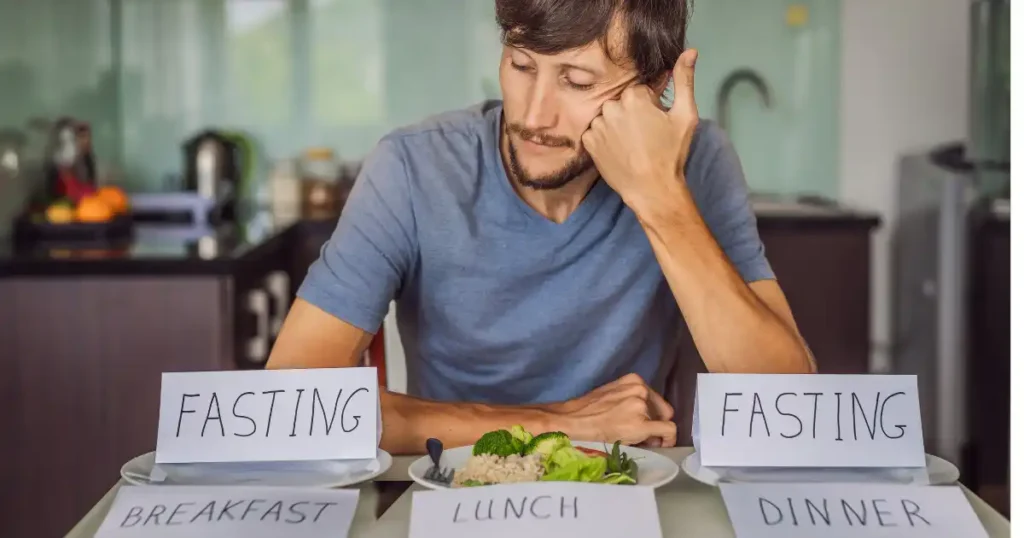
Every Tuesday morning in Waimea, Hawaii, I used to skip breakfast, feel great until noon, then eat everything in sight by 7 PM. That was my first real experience with intermittent fasting calorie intake gone wrong. The window was right. The timing was there. But the calories? Way out of control. If you are trying to figure out how many calories to eat while fasting, you are in the right place. This guide covers everything I have learned from years of personal practice and working with others on fasting, energy balance, and smarter fat loss.
What Is Intermittent Fasting?
Intermittent fasting is a meal timing strategy. It does not tell you what to eat. It tells you when to eat.
You eat during a set window. You fast the rest of the time. That is the core of it.
Definition of Intermittent Fasting
Intermittent fasting (IF) is any eating pattern that cycles between set periods of eating and not eating. The focus is on scheduling meals, not restricting specific foods or food groups.
Your body continues to burn calories during the fasting period. It does not pause. It simply starts pulling more energy from stored fat once glucose runs low.
Most Common Fasting Methods
There are several popular approaches, and each works differently for different lifestyles:
- 16:8 Method, Fast for 16 hours, eat within an 8-hour window. Most popular for beginners.
- 14:10 Method, A gentler version with a 10-hour eating window. Great for people easing in.
- OMAD (One Meal a Day), All calories consumed in one sitting. Advanced and harder to sustain.
- Alternate-Day Fasting, You eat normally one day and restrict or fully fast the next.
- 5:2 Diet, Five normal eating days and two days of very low calorie intake (around 500–600 calories).
I have personally tried 16:8 and 14:10. The 16:8 method gave me the most consistent fat loss results when I paired it with smart calorie awareness.
Why People Try It
People are drawn to intermittent fasting for many reasons:
- Weight loss without complex food rules
- Simplicity, fewer meals means fewer decisions
- Appetite control, many people feel less hungry once adapted
- Metabolic benefits like improved insulin sensitivity
The appeal is real. But the results depend heavily on what happens during the eating window.
Does Intermittent Fasting Automatically Reduce Calories?
This is the question most people do not ask. Many assume that fasting automatically leads to fat loss. That is not always true.
Why Some People Eat Less Naturally
A shorter eating window often leads to fewer calories by default. If you can only eat from noon to 8 PM, you physically have less time to consume food. Some people find that their hunger naturally decreases after a few weeks of fasting. Appetite hormones like ghrelin tend to shift and adapt to your new schedule.
Why Others Overeat During Feeding Windows
Here is the trap I fell into. After a long fast, hunger can spike hard. When you finally eat, portion control goes out the window. One meal easily becomes 3,000 calories. You tell yourself the food is healthy, so the amounts do not matter. They still do.
Extreme hunger drives extreme eating. That is biology, not willpower failure.
Calorie Balance Still Matters
Research from the National Institutes of Health confirms that intermittent fasting works primarily through calorie reduction and improved adherence to eating less over time. Managing your intermittent fasting calorie intake well is what actually drives results. The fasting window does not magically burn fat. It creates a structure that can help you eat less, but only if your calorie intake stays in check.
Fat loss still requires a calorie deficit. No method bypasses energy balance.
Before diving deeper into your fasting calories, it helps to know your baseline. Use a Maintenance Calorie Calculator to find your TDEE, that is the number your calorie targets will be built around.
How Many Calories Should You Eat While Fasting?
Understanding your intermittent fasting calorie intake starts here. Your fasting schedule does not determine your calorie target. Your goal does.
Fat Loss Calories
For fat loss, your intermittent fasting calorie intake should sit in a moderate calorie deficit. A reduction of 300 to 500 calories below your Total Daily Energy Expenditure (TDEE) is a practical and sustainable starting point. This creates steady fat loss without destroying energy or muscle.
Crash-level restriction, eating only 800 to 1,000 calories a day, tends to backfire. Your metabolism slows. Hunger spikes. Adherence breaks down by week two.
To find your specific fat loss target, you first need your TDEE. You can calculate it using the Maintenance Calorie Calculator and then subtract your preferred deficit from there.
Maintenance Calories
If your goal is to maintain your current weight while fasting for metabolic health or simplicity, eat at your TDEE. Your weight should stay stable over time.
Some people use fasting purely for structure, blood sugar regulation, or mental clarity. That is completely valid. Maintenance intake supports those goals.
Muscle Gain Calories
You can build muscle while doing intermittent fasting, but you need a slight calorie surplus. Aim for 150 to 300 calories above your TDEE on training days. Pair that with high protein intake. Muscle does not grow without both signals.
Example Calorie Intake by Goal
| Goal | Suggested Intake Approach |
|---|---|
| Fat loss | 300–500 calories below TDEE |
| Maintenance | Eat at your TDEE |
| Muscle gain | 150–300 calories above TDEE |
Fasting timing matters less than long-term energy balance. Sports nutrition experts consistently confirm this. The window shapes your schedule. The calories shape your body.
Real-Life Scenario: The 8 PM Hunger Explosion
Picture this. It is a Tuesday evening.
You fasted all day. You were disciplined. Also, you powered through hunger.
Then 8 PM arrives.
One small snack becomes a full plate. Then a second. Then you are somehow standing in front of an open fridge eating peanut butter off a spoon with no memory of getting there.
You technically fasted. But your calorie intake for that single meal exceeded your entire daily needs.
This is one of the most common intermittent fasting traps. The fast builds up a hunger debt, and the feeding window cashes it all in at once. This is why being aware of your intermittent fasting calorie intake, not just your fasting hours, is what separates results from frustration.
Why Calories Still Matter During Intermittent Fasting
Fasting changes when you eat. It does not change the laws of energy balance.
Energy Deficit and Fat Loss
Your body loses fat when it burns more energy than it takes in. That is the fundamental rule. Fasting can help create that deficit by limiting meal opportunities. But it does not guarantee a deficit. Only your actual calorie intake does that.
Why “Healthy Foods” Still Count
Almonds, avocado, olive oil, and whole grain bread are nutritious. They are also calorie-dense. Eating “clean” during your feeding window does not mean you can eat unlimited amounts. A handful of nuts is 200 calories. A large avocado is over 300. These add up fast.
Healthy food is still food. Calories count regardless of the source.
Overeating During Feeding Windows
Many people eat 2,500 to 3,000 calories in a single evening meal and wonder why the scale does not move. Compressing eating into a short window does not shrink the calories in that window. You still need to manage total intake.
Tracking calories for even a few weeks builds awareness that you cannot get any other way. Apps like MyFitnessPal or Cronometer can be helpful tools here.
Best Eating Window Strategies for Calorie Control
Your fasting schedule should fit your lifestyle. A forced schedule leads to resentment and quitting.
Morning Eating Windows
Some people do best eating from 7 AM to 3 PM. This aligns calorie intake with natural daylight hours, which some research suggests supports better metabolic function. It also eliminates late-night eating entirely, which is when most people overeat.
The challenge: social meals and evening dinners often fall outside this window. This approach works best for those with flexible or home-based schedules.
Afternoon-to-Evening Windows
The noon to 8 PM window is the most popular. It is easy to maintain for most working Americans. You skip breakfast and break your fast at lunch. Evening meals with family remain intact.
This is the window I use. It fits naturally without social friction.
Flexible Weekend Adjustments
Weekends disrupt routine. Social events, brunches, and late nights do not follow a fasting clock. Do not force the same rigid window on weekends if it creates stress. Shift your window by an hour or two. Keep overall calories in check and move on.
Consistency over weeks matters more than perfect adherence on any single day.
Popular Intermittent Fasting Schedules
| Method | Fasting Hours | Eating Window |
|---|---|---|
| 16:8 | 16 hours | 8 hours |
| 14:10 | 14 hours | 10 hours |
| OMAD | 23 hours | 1 hour |
| 5:2 Diet | Varies | Restricted intake days |
Beginners succeed more with flexible schedules. Start with 14:10 and work your way up if needed.
What to Eat During Intermittent Fasting
Food quality affects how full you feel, how long your energy lasts, and whether you stay on track between meals.
Protein for Satiety
Protein is the most filling macronutrient. It keeps you satisfied longer than carbs or fat at the same calorie level. During intermittent fasting, this matters because you have fewer meals to work with.
Eggs, chicken, Greek yogurt, cottage cheese, and legumes are excellent options. Aim for protein at every meal.
Fiber-Rich Foods
Fiber slows digestion and keeps hunger manageable. Vegetables, fruits, oats, and beans are your best friends during a fasting protocol. They bulk out meals without adding excessive calories.
A big plate of roasted vegetables at dinner makes it much easier to stay within your calorie target.
Healthy Fats for Fullness
Fats take time to digest. Eating moderate amounts of healthy fat, like olive oil, nuts, or salmon, helps you feel full longer. Do not fear fat during a fasting protocol. Just be aware of portions since fat is calorie-dense.
Protein Intake During Intermittent Fasting
When you eat fewer meals, protein intake can easily slip below optimal levels. Getting enough protein is one of the most overlooked parts of a smart intermittent fasting calorie intake plan. This becomes a real issue when fat loss is the goal.
Muscle Preservation
During a calorie deficit, your body can break down muscle for energy if protein intake is too low. Muscle is metabolically active tissue. Losing it slows your metabolism over time, making further fat loss harder.
Aim for 0.7 to 1 gram of protein per pound of body weight daily. If you weigh 160 lbs, that means 112 to 160 grams of protein per day across your meals.
Appetite Control
High protein intake suppresses hunger hormones. It raises levels of peptide YY, a hormone that signals fullness. This means eating more protein during your feeding window can make fasting hours feel easier.
Recovery Support
If you exercise while fasting, protein becomes even more important. Muscles need amino acids to repair. A protein-rich meal within a couple of hours of training supports recovery and helps maintain lean mass even while in a calorie deficit.
Expert Dr. Jason Fung consistently emphasizes that nutrient quality during eating windows determines how well your body responds to fasting. Protein is at the top of that list.
Common Mistakes With Intermittent Fasting Calories
Most fasting problems are not about willpower. They are about simple misunderstandings that compound over time.
Eating Too Little
Some people treat fasting days as a signal to eat as little as possible. This backfires. Dropping below 1,200 calories (for women) or 1,500 calories (for men) for extended periods slows metabolism, causes muscle loss, and makes the fasting protocol unsustainable within weeks.
A moderate, well-planned deficit always outperforms extreme restriction.
Binge Eating at Night
This is the most common mistake. Long fasting windows build up hunger. Without planning, the first meal becomes a binge. Eating one massive meal at the end of the day often exceeds a full day’s calorie needs in one sitting.
Plan your first breaking-fast meal in advance. Knowing what you will eat and approximately how much removes the impulsive decision-making that leads to overeating.
Ignoring Liquid Calories
Smoothies, lattes, protein shakes, and juices carry real calories. Many people consume 300 to 600 liquid calories daily without registering them as part of their intake.
During a fasting window, stick to water, black coffee, or plain herbal tea. During your eating window, count liquid calories just like solid food.
Common IF Mistakes and Their Effects
| Mistake | Result |
|---|---|
| Massive evening meals | Calorie surplus, stalled fat loss |
| Too little protein | Muscle loss risk |
| Sugary drinks during fast | Breaks fast, increases hunger |
| Overly long fasts early on | Poor adherence and burnout |
Small adjustments to these habits improve both sustainability and results.
Can You Lose Weight Without Counting Calories?
Sometimes yes. Not always.
Why Fasting Naturally Limits Intake
For some people, a shorter eating window naturally reduces how much they eat. Fewer meals, less time to snack, reduced appetite after adaptation, all of these can create a calorie deficit without tracking.
If the scale moves consistently in the right direction for three to four weeks, you may not need to count.
Situations Where Tracking Helps
If fat loss has stalled, tracking is the most reliable diagnostic tool. It often reveals that calories crept up without awareness. Even brief tracking, one to two weeks, can reset habits and reveal blind spots.
For a practical guide on auditing your daily food intake, the article on Calorie Tracking: How to Audit Your Daily Food Intake offers a step-by-step approach that complements any fasting schedule.
Awareness vs Obsession
There is a difference between being informed and being anxious. You do not need to weigh every gram of food forever. But you do need enough awareness to know whether you are in a deficit. Use tracking as a tool, not a life sentence.
Exercise and Intermittent Fasting Calories
Training changes your calorie needs. This is something many people overlook when setting fasting targets.
Fasted Workouts
Working out in a fasted state is a popular strategy. Your body has lower glycogen reserves, which may push it to burn more fat for fuel during exercise. Many people tolerate this well for light to moderate cardio.
Intense strength training, however, often suffers in a fasted state. Energy and performance can dip. If your workouts matter to you, training near the start of your eating window is a smart compromise.
Workout-Day Nutrition
On days you exercise, your calorie needs go up. Cutting calories aggressively on training days can slow recovery and reduce muscle retention. Consider eating slightly more on workout days, closer to maintenance, and creating a larger deficit on rest days.
This flexible approach is sometimes called calorie cycling, and it works well within a fasting structure.
Recovery and Energy Needs
After a hard session, your muscles need protein and carbohydrates to recover. A post-workout meal that includes both supports repair and replenishes glycogen. Do not skip this meal in the name of extending your fast. Recovery is part of the process.
Understanding how physical activity changes your daily calorie burn is essential here. The article on How Physical Activity Levels Affect Your Daily Calorie Burn breaks this down clearly.
Psychological Side of Intermittent Fasting
Fasting is not just physical. It has a mental and emotional dimension that affects whether people stick with it.
Reduced Food Decisions
One of the underrated benefits of fasting is decision fatigue reduction. When you have a defined eating window, you stop thinking about food for most of the day. This mental clarity is something many people report as a major quality-of-life improvement.
Fewer choices can mean more focus.
Obsessive Restriction Risks
For some people, fasting can trigger an unhealthy relationship with food. If skipping meals feels like punishment, or if you feel extreme guilt after eating outside your window, pay attention to those feelings. Fasting should feel empowering, not punitive.
Anyone with a history of disordered eating should consult a health professional before starting any fasting protocol.
Social Challenges
Skipping lunch with coworkers or turning down birthday cake can create friction. The social side of eating is real. A rigid fasting schedule that isolates you from communal meals is not sustainable long-term.
Build flexibility into your schedule for events that matter. One off-plan meal will not undo weeks of progress.
Intermittent Fasting for Different Goals
Your goal shapes everything about how you use fasting.
Fat Loss
For fat loss, pair intermittent fasting with a moderate calorie deficit and high protein intake. Aim for slow, consistent progress, roughly 0.5 to 1 pound of fat per week. This pace protects muscle and keeps metabolism intact.
Understanding your calorie deficit without exercise is also worth exploring if you are primarily relying on dietary changes.
Muscle Retention
If you are trying to maintain or build muscle while fasting, prioritize protein above all else. Hit your protein target every day. Train consistently. Keep your deficit modest. The muscle you keep now is the metabolism you keep later.
Lifestyle Simplicity
For some people, fasting is purely about simplicity. One less meal to prepare. One less decision to make. That is a completely legitimate reason to fast, and the health benefits that come along for the ride are a bonus.
Expert Advice from a U.S. Nutrition Professional
Nutrition researcher Alan Aragon, one of the most respected voices in evidence-based nutrition, has stated clearly that meal timing matters far less than total calorie intake and dietary adherence. His work consistently shows that what and how much you eat over the course of a day and week drives results, not the specific hours on the clock.
Sustainability Matters Most
The best fasting schedule is the one you can maintain for months, not days. A 16:8 protocol you follow consistently for twelve weeks beats a strict OMAD approach you abandon after ten days.
Avoid Extreme Restriction
Eating under 1,200 calories per day while fasting might feel productive in the short term. In reality, it often leads to muscle loss, metabolic adaptation, nutrient deficiencies, and rebound eating. Sustainable calorie reduction, guided by your actual TDEE, always wins.
You can optimize your macronutrient balance during your eating window by reading more about Macro-Nutrient Optimization: Balancing Protein, Carbs, and Fats.
Who Should Avoid Aggressive Fasting
Intermittent fasting is not appropriate for everyone. Knowing the limits matters.
People With Eating Disorder History
If you have struggled with restriction, binge eating, or disordered thoughts about food, fasting protocols can reinforce harmful patterns. The structure of a fasting window can easily become a vehicle for extreme restriction. Please speak with a health professional before starting.
Pregnant or Breastfeeding Individuals
During pregnancy and breastfeeding, calorie and nutrient needs are elevated. The Pregnancy Calorie Calculator provides trimester-specific guidance. This is not the time to restrict eating windows.
Highly Active Athletes
Athletes with two-a-day training sessions, competitive sports schedules, or very high calorie needs may find that fasting limits performance and recovery. In these cases, eating on a more traditional schedule with controlled portions often serves them better.
How Hunger Changes During Fasting
Your body adapts to a fasting schedule over time. Early days are often the hardest.
Early Hunger Spikes
In the first one to two weeks of fasting, hunger in the morning or at usual meal times can be intense. This is normal. Your body expects food based on habitual timing. Give it two to three weeks to recalibrate.
Appetite Hormone Adaptation
Ghrelin, the hunger hormone, is largely habit-driven. It spikes at the times you normally eat. As your fasting schedule becomes your new normal, ghrelin patterns shift. Most people report significantly less hunger after two to four weeks of consistent fasting.
Importance of Hydration
Dehydration is often mistaken for hunger. During fasting hours, drink plenty of water. Herbal teas and plain black coffee are also fine. Staying hydrated reduces false hunger signals and supports overall metabolic function.
Best Foods to Break a Fast
Your first meal after fasting sets the tone for the rest of your eating window.
Protein-Based Meals
Starting with a protein-rich meal reduces the chance of overeating later. Eggs, Greek yogurt, cottage cheese, or a chicken breast with vegetables are ideal. Protein triggers satiety hormones quickly and provides amino acids your body has been waiting for.
Moderate Portion Sizes
After a long fast, the temptation is to eat a very large meal. Resist this. Start with a moderate portion. Give your body fifteen to twenty minutes before deciding if you need more. Hunger during a fast feels bigger than it actually is.
Avoiding Sugar Overload
Breaking a fast with sugary foods or drinks causes a fast rise and fall in blood sugar. This often triggers stronger hunger within an hour and sets up poor eating decisions for the rest of the day.
Simple Daily Meal Structure for IF
You do not need a complicated plan. A simple structure works best.
First Meal Strategy
Break your fast with a protein and fiber combination. For a noon start, try two eggs with vegetables, a bowl of Greek yogurt with fruit, or chicken and a salad. Keep it clean, satisfying, and filling.
Balanced Main Meals
Your main meal, usually dinner, should contain a quality protein source, complex carbohydrates, and plenty of vegetables. This meal can be larger since it is your body’s main fuel for the day. Keep it within your calorie target.
For help estimating the calorie content of home-cooked meals, the guide on How to Estimate Calories in Homemade Food is a practical resource worth bookmarking.
Smart Snacks if Needed
If you have calories left in your budget and genuine hunger between meals, a small snack is fine. Choose something with protein or fiber, not chips or crackers. A handful of almonds, a boiled egg, or some hummus with carrots all work well.
Signs Your Calorie Intake Is Too Low
Your body signals when something is wrong. Pay attention.
Low Energy
Persistent fatigue during the day, especially in the afternoon, often signals that calorie intake is too low. If you feel drained despite sleeping well, add 100 to 200 calories per day and observe the change.
Poor Workout Recovery
Soreness that lasts more than two to three days, declining strength in the gym, or feeling unusually winded during light exercise are all signs of under-fueling. Your body needs energy to repair. Without it, recovery stalls.
Constant Hunger
Some hunger during a fast is expected. Constant, intense hunger throughout the day, including during your eating window, is a sign your intake is too low. It is your body asking for more fuel, not a sign to fast harder.
Understanding the difference between healthy and unhealthy approaches to calorie restriction is also tied to concepts like the Thermic Effect of Food and how your body actually burns calories through digestion.
Final Thoughts on Intermittent Fasting Calorie Intake
Intermittent fasting is not magic. It is a structure.
Used well, it can help you manage your intermittent fasting calorie intake more naturally, reduce decision fatigue, and support steady fat loss over time. Used poorly, it can lead to extreme hunger, binge eating, and metabolic slowdown.
The fundamentals have not changed:
- Total calorie intake determines fat loss
- Food quality affects hunger and adherence
- Long-term consistency drives results
Skipping breakfast alone does not guarantee fat loss. A sustainable habit of eating the right amount, at the right times, for your specific goal does.
Final Recommendation
After years of working with fasting strategies and managing my own intermittent fasting calorie intake, the advice I come back to is always the same: start with your TDEE. Know your maintenance number before you build any deficit around it. Use a Maintenance Calorie Calculator to get your baseline, then subtract 300 to 500 calories for steady fat loss. Pair that deficit with high protein intake, at least 0.7 grams per pound of body weight. Choose a fasting window you can actually maintain, not the most extreme one available. Break your fast with protein-rich foods to reduce binge risk. Track your intake for at least two weeks to build awareness, then loosen the grip once you know your patterns. That combination, a known baseline, a moderate deficit, quality protein, and a sustainable schedule, is what consistently delivers smarter fat loss results over time. Fasting is just the frame. Calories and consistency are what you put inside it.
Eat Smarter: Intermittent Fasting Calorie Intake
Timing your meals can help you reach your goals faster. Learn about intermittent fasting calorie intake to get the best smarter fat loss results for your body.
Eat all your daily food within a set time block. Focus on whole foods that keep you full and strong. This is the best way to get smarter fat loss results.
Quality still matters even if you eat less often. Pick lean protein and fiber to fuel your day. This helps your intermittent fasting calorie intake work well.
It gives your body a long break from processing food. This helps you burn stored fuel for energy. It is a key step for smarter fat loss results.
No, you can drink water at any time during your fast. It helps you stay hydrated and alert. This is a simple trick for smarter fat loss results.
Use an app to log your meals during your eating window. Make sure you do not eat too little or too much. This path leads to smarter fat loss results.

Dr. Selim Yusuf, MD, PhD
Founder & Chief Medical Editor, Maintenance Calorie Calculator Expertise: Clinical Nutrition, Metabolic Health, and Exercise Physiology
Experience: 15+ Years of Practical & Clinical Experience
Dr. Selim Yusuf is a licensed physician, clinical research scientist, and dedicated metabolic health expert with over 15 years of practical experience diagnosing, managing, and treating health and nutritional issues. As the founder and chief medical editor of Maintenance Calorie Calculator, Dr. Yusuf combines a rigorous academic background with years of frontline clinical experience to provide evidence-based, highly accessible nutritional tools for the public.
Dr. Yusuf earned his Doctor of Medicine (MD) from the Johns Hopkins University School of Medicine, where he graduated with honors and developed a deep interest in preventive medicine and metabolic health disorders. Following his medical residency, he pursued advanced academic research, earning a PhD in Nutritional Sciences and Metabolism from Harvard University.
His academic and clinical training uniquely bridges the gap between complex biochemical pathways (how the human body extracts energy from food) and practical, everyday clinical care. Over the course of his 15-year career, he has authored multiple peer-reviewed research papers focusing on the management of obesity, metabolic adaptation during prolonged calorie restriction, and macronutrient optimization for lean mass preservation.
Before transitioning his focus to digital health utility platforms, Dr. Yusuf served as an administrative lead and consulting metabolic specialist within top-tier university medical centers. Beyond his institutional roles, he has worked extensively as an elite evidence-based fitness and metabolic coach, guiding hundreds of individuals, ranging from sedentary desk workers battling chronic metabolic slowdowns to competitive athletes looking to optimize body composition.
Throughout his 15 years of practice, Dr. Yusuf noticed a recurring barrier to sustainable patient success: the mathematical confusion surrounding daily nutrition. He observed that most individuals fail to reach their physical goals not from a lack of effort, but because they lack a precise biological baseline.