
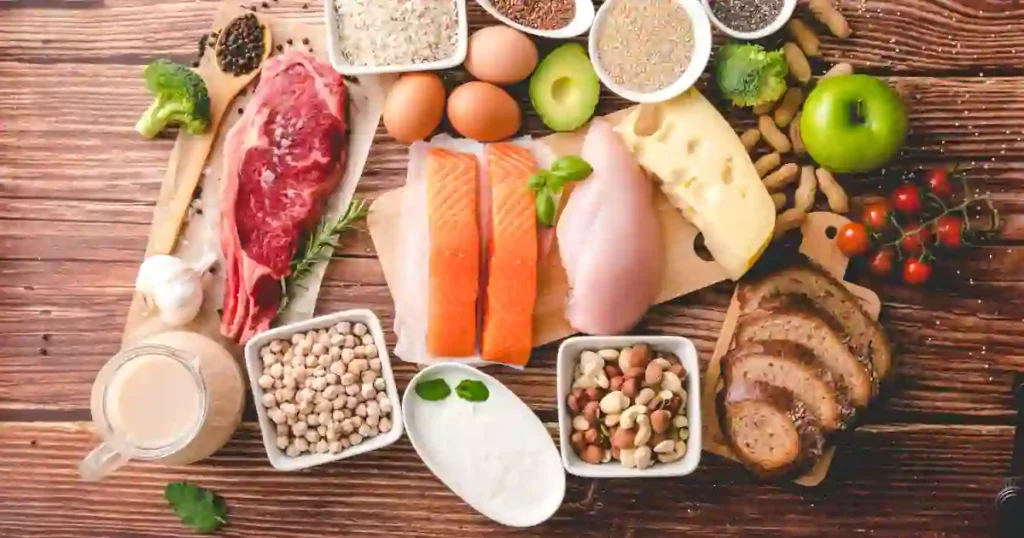
Here in Seattle, I used to train six days a week and still couldn’t gain a pound. My friends thought I was joking. Trust me, I wasn’t. That struggle pushed me deep into nutrition research, and what I found changed everything. This calorie dense foods guide for healthy weight gain covers everything I wish I had known sooner. If you eat well but the scale won’t move, this guide is written for you. Let’s fix that together.
What Are Calorie Dense Foods?
Before we get into the food list, let’s make sure we’re on the same page. Calorie dense foods are foods that pack a large number of calories into a small amount. You don’t need to eat huge plates. You just need to eat smarter.
Simple Definition
Think of it this way. A handful of almonds has about 160 calories. A bowl of lettuce has about 10. Both fit in your hand. But one fuels your body for hours. That’s energy density in action.
- High calories relative to their weight or volume
- More energy in smaller portions
- Easier to hit your daily calorie goal without overeating
Why Energy Density Matters
Energy density is the number of calories per gram of food. Foods with high energy density let you eat less food by weight while still consuming plenty of energy. This is the key concept behind smart weight gain. It’s not about stuffing yourself. It’s about choosing the right foods.
- Helps you reach a calorie surplus
- Reduces bloating from large meals
- Supports lean muscle growth and athletic performance
The Science Behind It
Research from the American Journal of Clinical Nutrition shows that energy-dense foods are effective for individuals who need to increase their calorie intake. They provide macronutrients like healthy fats and complex carbohydrates that the body converts to usable energy efficiently. The higher the energy density, the more fuel per bite.
Who Should Eat Calorie Dense Foods?
Not everyone needs to focus on calorie-dense eating. But for certain groups, it’s not just helpful, it’s necessary. Let me walk you through who benefits most.
People Trying to Gain Weight
If your appetite is naturally low, eating enough to gain weight is a real challenge. You feel full fast. And, you skip meals. You try to eat more but can’t seem to finish your plate. Calorie-dense foods solve that problem. Small portions, big energy. You won’t feel stuffed after every meal.
Athletes and Gym-Goers
When you train hard, your body burns more energy. A lot more. Gym-goers, runners, and strength athletes often have calorie needs that normal meals can’t meet. Adding calorie-dense foods to your diet fills that gap. It also supports faster recovery after workouts.
Busy Individuals
Life gets hectic. Some days you barely have time to eat. If you’re working long hours or running between tasks, you need foods that deliver maximum nutrition in minimum time. Nuts, nut butters, and healthy oils are perfect for busy days.
People with High Metabolisms
Some people burn calories faster than others. It’s a real thing. If you have a fast metabolism, you may need significantly more food than an average person just to maintain your current weight. Calorie-dense foods make this sustainable without having to eat every 90 minutes.
Best Calorie Dense Foods to Include Daily
Over the years, I’ve tested a lot of foods. Some are great on paper but hard to eat daily. These are the ones that actually work in real life, easy to find, easy to prepare, and genuinely effective.
Nuts and Nut Butters
This is where I always start with anyone struggling to gain weight. Nuts are one of the most calorie-dense natural foods on the planet. They’re also loaded with healthy fats, protein, and fiber.
- Almonds: Around 579 calories per 100g
- Peanuts: Around 567 calories per 100g
- Peanut butter: Around 588 calories per 100g, one of the easiest high-calorie additions to any meal
- Cashew butter and almond butter are great alternatives
Add two tablespoons of peanut butter to your morning oats and you’ve already added nearly 200 calories before you even start your day. That’s powerful.
Healthy Fats and Oils
Fat is the most calorie-dense macronutrient. Each gram of fat contains 9 calories, compared to 4 calories per gram of protein or carbs. So adding healthy fats is one of the most efficient ways to increase your calorie intake.
- Avocado: Around 160 calories per 100g, also rich in potassium and fiber
- Olive oil: 884 calories per 100ml, just one tablespoon adds 120 calories
- Coconut oil: Great for cooking with a high calorie contribution
- Butter (grass-fed): Adds rich flavor and healthy fats
Drizzle olive oil on your rice or pasta. Slice avocado on your toast. These small habits add hundreds of calories over the course of a day without any extra effort.
Carbohydrate-Rich Foods
Carbs get a bad reputation. But for weight gain, they are your best friend, especially complex carbs. They provide quick, sustained energy and help you recover after exercise.
- White rice: 130 calories per 100g, easy to digest, great base for any meal
- Pasta: Around 220 calories per 100g cooked with a high glycemic response
- Whole grain bread: Slower digestion, steadier energy
- Oats: Filling and nutrient-rich, perfect for high-calorie breakfasts
- Sweet potatoes: Dense in carbs with great micronutrient content
Protein-Rich Foods
Calories are only part of the equation. If you want to gain muscle and not just fat, protein matters a lot. These high-protein, calorie-dense foods are essential to any good weight-gain plan.
- Eggs: Around 155 calories per 100g, complete protein with healthy fats
- Chicken thighs: Higher fat content than breast meat, more calories
- Full-fat dairy: Cheese, whole milk, Greek yogurt, all calorie and protein powerhouses
- Canned tuna or salmon: Easy, affordable, high in protein
- Red meat (lean cuts): Great for muscle gain, rich in creatine and iron
Seeds and Dried Fruits
Often overlooked, seeds and dried fruits are incredibly calorie dense. Toss them into smoothies, yogurt, or salads.
- Chia seeds: 486 calories per 100g
- Hemp seeds: 553 calories per 100g, also high in protein
- Dates: Around 277 calories per 100g, natural sweetener with quick energy
- Raisins and dried apricots: Easy snacks that add up fast
Top Calorie Dense Foods and Their Nutritional Value
Here’s a quick reference table for the most effective calorie-dense foods. Small amounts, big numbers.
| Food Item | Calories (per 100g) | Protein | Fat |
| Peanut Butter | 588 kcal | 25g | 50g |
| Almonds | 579 kcal | 21g | 49g |
| Chia Seeds | 486 kcal | 17g | 31g |
| Cheese (Cheddar) | 402 kcal | 25g | 33g |
| Avocado | 160 kcal | 2g | 15g |
| White Rice (cooked) | 130 kcal | 2.5g | 0.3g |
| Whole Milk | 61 kcal | 3.2g | 3.3g |
| Olive Oil | 884 kcal | 0g | 100g |
You don’t need to eat massive portions. These foods do the heavy lifting for you.
Healthy vs. Unhealthy Calorie Dense Foods
This is where a lot of people go wrong. Not all calorie-dense foods are equal. Some support your health and muscle growth. Others increase your weight while quietly damaging your health.
Healthy High-Calorie Options
These are the foods I recommend every day, the ones that give you calories and nutrition at the same time.
- Nuts and seeds, healthy fats, fiber, minerals
- Avocados, monounsaturated fats, potassium, folate
- Whole grains, complex carbs, B vitamins, sustained energy
- Full-fat dairy, calcium, protein, vitamin D
- Eggs, complete amino acid profile, choline for brain health
- Lean meats and fatty fish, iron, omega-3s, quality protein
Unhealthy High-Calorie Options to Avoid
Yes, these foods are calorie dense. But they come with serious downsides.
- Fast food burgers and fries, trans fats, excessive sodium, low nutrition
- Sugary pastries and donuts, refined sugars spike insulin and encourage fat storage
- Processed snack foods, artificial additives, empty calories
- Sweetened beverages, liquid sugar with zero satiety benefit
- Ultra-processed meats, preservatives and unhealthy fat profiles
Why Dirty Bulking Doesn’t Work
I tried dirty bulking once. Yes, I gained weight. But I also felt sluggish, my skin broke out, and I gained most of it in my belly, not my muscles. Dirty bulking means eating anything high in calories without caring about nutrition. It works short-term but sets you back long-term. You end up with fat gain, not muscle gain. Stick to healthy calorie-dense foods and you’ll feel better, perform better, and look better.
How to Add Calorie Dense Foods to Your Diet
Knowing what to eat is only half the battle. Knowing how to actually add these foods to your daily life is what makes the difference. Here’s what worked for me.
Add to Existing Meals
You don’t need to redesign your entire diet. Start small. Just add calorie-dense foods to what you’re already eating.
- Add a tablespoon of olive oil to your cooked rice or pasta
- Mix peanut butter into your oatmeal or protein shake
- Top your toast with avocado and eggs
- Add cheese to your eggs, sandwiches, or salads
- Use whole milk instead of skim in coffee, smoothies, or cereals
Use Calorie-Dense Snacks
Snacks are underrated in the weight-gain game. Smart snacks add 300 to 500 extra calories per day without disrupting your main meals.
- A handful of mixed nuts between meals
- Peanut butter on apple slices or banana
- Greek yogurt with granola and honey
- Trail mix with dried fruit and seeds
- Hard-boiled eggs with a pinch of salt
Drink Your Calories
Liquid calories are a game-changer for people who struggle to eat enough. Your stomach doesn’t register liquid volume the same way it does solid food. You won’t feel as full. So a high-calorie smoothie can easily deliver 500 to 800 calories without making you uncomfortable.
- Whole milk + banana + peanut butter + oats smoothie
- Full-fat yogurt + frozen berries + honey + protein powder
- Mango smoothie with coconut milk and dates
- Chocolate milk after workouts, yes, it’s actually great for recovery
Cook with More Oil and Fat
One of the simplest changes you can make, cook with more healthy fat. Sauté your vegetables in olive oil. Roast your potatoes in coconut oil. Fry your eggs in butter. Every tablespoon of oil adds over 100 calories. These small changes stack up fast.
Easy High-Calorie Additions to Meals
These are small additions with big calorie payoffs. None of them require extra cooking. Just add them to what you’re already eating.
| Addition | Amount | Extra Calories |
| Olive oil | 1 tablespoon | ~120 kcal |
| Peanut butter | 2 tablespoons | ~190 kcal |
| Mixed nuts | 1 handful (30g) | ~170 kcal |
| Avocado | Half fruit | ~120 kcal |
| Whole milk | 1 glass (240ml) | ~150 kcal |
| Cheese (cheddar) | 1 slice (30g) | ~120 kcal |
| Chia seeds | 2 tablespoons | ~100 kcal |
| Butter | 1 tablespoon | ~100 kcal |
Tiny changes, massive calorie boost over time.
Sample Daily Meal Plan for Healthy Weight Gain
Let me show you what a real day of eating looks like when you use this calorie dense foods guide for healthy weight gain properly. This isn’t a rigid plan. It’s a template you can adapt to your own schedule and food preferences.
Breakfast, 700 to 900 Calories
- 1 cup oats cooked in whole milk
- 2 tablespoons peanut butter stirred in
- 1 banana, sliced on top
- 1 glass of whole milk on the side
This breakfast alone can hit 700 to 900 calories. It’s filling but not heavy. The oats provide slow-burning carbs. The peanut butter adds protein and healthy fat. The milk fills in the gaps.
Mid-Morning Snack, 200 to 300 Calories
- A handful of almonds or cashews
- Or a small cup of Greek yogurt with honey
Quick, easy, no prep needed. Keep a bag of mixed nuts in your bag or desk drawer.
Lunch, 700 to 900 Calories
- 5 cups cooked white rice
- Grilled chicken thigh (150g)
- Roasted vegetables cooked in olive oil
- A side of avocado slices
This is a balanced, satisfying meal. The rice and oil cover your calorie needs. The chicken covers your protein needs. The avocado adds healthy fat.
Afternoon Snack, 300 to 500 Calories
- Banana + peanut butter shake with whole milk
- Or a slice of whole grain bread with butter and cheese
This is where smoothies shine. Blend fast and drink it between tasks. Done in five minutes.
Dinner, 700 to 900 Calories
- 2 eggs scrambled with butter and cheese
- 1 cup cooked pasta with olive oil and garlic
- Mixed salad with olive oil dressing
- A glass of whole milk
Light on effort, heavy on calories. This dinner hits all your macronutrient targets without leaving you stuffed.
Evening Snack (Optional), 200 to 300 Calories
- Whole milk and a handful of dates
- Or a small bowl of mixed nuts
If you’re not full by evening, this keeps your calorie total on track without disrupting your sleep.
Total Daily Calories: Approximately 2,700 to 3,800 calories depending on portions. Adjust based on your personal calorie goal.
Common Mistakes When Using Calorie Dense Foods
I’ve made all of these mistakes. Knowing what to avoid will save you weeks of wasted effort.
Relying Only on Junk Food
Chips, cookies, fast food, yes, they’re high in calories. But they’re low in the nutrients your body needs to actually build muscle and support performance. You’ll gain weight, but it won’t be the right kind. Stick to nutrient-dense, calorie-rich foods like nuts, avocados, and whole grains.
Ignoring Protein Intake
Calories alone do not build muscle. Protein is the building block. If your diet is full of fat and carbs but low in protein, your body will store excess calories as fat instead of building new muscle tissue. Aim for at least 1.6 to 2.2 grams of protein per kilogram of body weight when trying to gain lean mass.
Skipping Meals
Consistency beats perfection every time. Missing two meals because you weren’t hungry undoes the work of an entire day. Set reminders if you need to. Prep your snacks in advance. Make eating part of your daily routine just like brushing your teeth.
Drinking Too Much Water Before Meals
Water is essential. But drinking a large glass right before a meal fills your stomach and reduces your appetite. Try to drink water between meals instead. This one small shift can help you eat significantly more at each sitting.
Not Tracking Progress
If you don’t track, you’re guessing. Use an app like MyFitnessPal or Cronometer to log your food for at least two or three weeks. You’ll quickly see where your calorie gaps are. Most people who struggle to gain weight are surprised to discover they’re eating far less than they thought.
Going Too Fast
Weight gain doesn’t happen overnight. A healthy rate of gain is about 0.25 to 0.5 kilograms per week. Trying to gain too fast leads to excess fat storage. Be patient. Trust the process. Small, consistent changes over weeks and months add up to real, lasting results.
Real-Life Example: A Day of Eating Smart
Let me give you an honest look at how this plays out in real life. I had a client, I’ll call him Daniel, who came to me frustrated. He was eating three meals a day, working out four times a week, and still not gaining. Sound familiar?
We didn’t overhaul his diet. We just added calorie-dense foods to what he was already eating. Morning, we swapped skim milk for whole milk in his coffee and oats. Added a tablespoon of peanut butter to his oatmeal. That was 200 extra calories right there.
Lunch, he was already eating rice and chicken. We added a drizzle of olive oil and sliced avocado. Another 250 calories. Easy.
Afternoon, instead of scrolling on his phone between meetings, he started keeping a small bag of almonds on his desk. Another 150 to 200 calories without even thinking about it.
Dinner stayed mostly the same. But we added a glass of whole milk and a slice of cheese on the side. Another 200 calories.
Total extra calories per day? Around 800. Within six weeks, Daniel had gained 3 kilograms. He wasn’t eating more food by volume. He was just eating smarter. That’s the power of calorie-dense food choices.
Expert Advice from a Nutrition Specialist
I want to share what registered dietitians and sports nutritionists consistently agree on when it comes to healthy weight gain through calorie-dense eating.
Dr. Michael Greger, a physician and founder of NutritionFacts.org, emphasizes that calorie-dense whole foods can effectively support weight gain when balanced with nutrient diversity. He recommends focusing on whole food sources of fat and carbohydrates rather than processed alternatives.
Sports nutritionist and author Alan Aragon, whose research has been published widely in peer-reviewed journals, recommends that people looking to gain lean mass should target a calorie surplus of 10 to 20 percent above maintenance, not more. This moderate surplus, when filled with calorie-dense whole foods, supports muscle gain with minimal fat accumulation.
Both experts agree on one core principle: the source of your calories matters as much as the number. You can hit your calorie target with junk food or with nutrient-rich whole foods. The second option gives you better body composition, better health markers, and better long-term results.
Calorie Dense vs. Low-Calorie Foods: Understanding the Difference
Here’s a side-by-side comparison to help you understand how these food categories serve different goals.
| Category | Example Foods | Calories per 100g | Primary Purpose |
| Very High Density | Olive oil, nuts, nut butters | 400–884 kcal | Energy, weight gain |
| High Density | Cheese, avocado, seeds | 160–400 kcal | Calorie boost + nutrition |
| Moderate Density | Rice, bread, pasta, eggs | 100–220 kcal | Carbs, protein, energy |
| Low Density | Vegetables, broth, fruits | 20–80 kcal | Volume, micronutrients |
| Very Low Density | Lettuce, cucumber, water | Under 20 kcal | Hydration, fullness |
For healthy weight gain, focus on high and very high density foods as the base of your diet. Add moderate density foods as your main meal staples. Include low-density vegetables for fiber and micronutrients.
Calorie Dense Foods for Muscle Gain vs. Fat Gain
This is one of the most important distinctions in the entire calorie dense foods guide for healthy weight gain. Not all weight gain is created equal. There’s a huge difference between gaining muscle and gaining fat, even if the scale shows the same number.
For Lean Muscle Gain
To gain muscle, you need a moderate calorie surplus, high protein intake, and consistent strength training. Calorie-dense foods support this when they’re protein-rich or paired with protein sources.
- Eggs, chicken thighs, lean beef, Greek yogurt
- Whole milk, contains both casein and whey protein
- Nuts combined with protein sources
- Rice or pasta paired with grilled meat or legumes
Without strength training, even the best nutrition plan won’t build meaningful muscle. The calories provide the raw materials. Exercise tells your body what to build.
When Fat Gain Happens Instead
Fat gain happens when you consistently eat too many calories beyond what your body can use, especially if those calories come from refined sugars and low-quality fats. Without exercise, your body has no reason to direct those extra calories toward muscle tissue.
- Excess calorie surplus (more than 20% above maintenance)
- Low protein intake relative to total calorie intake
- No resistance training or physical activity
- High intake of refined carbs and saturated fats
Best Approach for Healthy Weight Gain
Combine calorie-dense whole foods with regular strength training and adequate protein. This creates the ideal environment for your body to build muscle rather than just store fat. Aim for a modest surplus, about 250 to 500 extra calories per day above your maintenance level. Measure your progress weekly. Adjust as needed.
Cultural Perspective: Calorie Dense Foods in South Asia
You don’t need an expensive or exotic diet to gain healthy weight. South Asian food traditions are already full of naturally calorie-dense ingredients that have been used for generations.
Local Foods That Are Naturally Calorie Dense
- Rice (white or brown), the backbone of most South Asian meals, and a solid carbohydrate base
- Ghee, clarified butter used in cooking and finishing dishes; one tablespoon has over 100 calories
- Dal (lentils), high in protein and complex carbohydrates; a complete meal base
- Coconut milk, used in curries and desserts; rich in healthy fats
- Sesame seeds (til), common in many dishes and incredibly calorie dense
- Full-fat paneer, a great high-protein, high-calorie dairy option
Smart Adjustments to Traditional Diets
You don’t need to abandon your food culture. Just make small adjustments to increase your calorie intake using foods you already know and enjoy.
- Cook rice or dal with an extra tablespoon of ghee
- Add a handful of mixed nuts as an afternoon snack instead of processed crackers
- Use full-fat milk in tea (chai) instead of low-fat
- Add avocado to salads or as a side dish, it’s increasingly available across South Asia
- Increase your paneer portions slightly at lunch or dinner
Your culture already has the solution. You just need to recognize the calorie-dense foods that are already around you and use them more intentionally.
Tools to Track Calories and Progress
If you’re serious about healthy weight gain, tracking is non-negotiable, at least for the first few weeks. Most people who struggle to gain weight are under-eating without realizing it. A good tracking app makes the invisible visible.
Best Calorie Tracking Apps
- MyFitnessPal, the most widely used; massive food database including restaurant items
- Cronometer, better for micronutrient tracking; great if you want detailed nutritional analysis
- Lose It!, simple interface, good for beginners
- FatSecret, free and surprisingly detailed
How to Use These Tools Effectively
- Log everything for the first two to four weeks, don’t estimate
- Set your daily calorie target based on your weight, height, activity level, and goal
- Track protein separately and make sure you hit 1.6 to 2.2g per kg of body weight
- Review your weekly average, not just single days, consistency matters more than perfection
- Take weekly photos and measurements alongside weight to track body composition
Beyond Apps: Physical Progress Markers
Apps track numbers. But there are other progress markers worth watching.
- Clothes fitting differently, especially around shoulders, chest, and thighs
- Increased strength in the gym, lifting heavier or doing more reps
- Better energy levels throughout the day
- Improved sleep quality from better nutrition
The Emotional Side of Weight Gain
I want to talk about something most nutrition guides skip completely. Gaining weight is not just a physical challenge. It’s an emotional one too. I’ve been there. I know how frustrating it is when you’re trying your best and seeing no results.
The Frustration Is Real
People around you assume gaining weight is easy. ‘Just eat more,’ they say. Like that’s news to you. Like you haven’t been trying that for months. The truth is, gaining weight for some people is genuinely difficult. Your appetite signals may be lower than average. Also, your metabolism may be running faster. Your digestion may process food more efficiently. None of this is a character flaw. It’s biology.
Social Pressure and Misconceptions
Society spends so much time talking about weight loss that weight gain feels invisible as a struggle. But it’s just as real. You might feel uncomfortable telling people you’re trying to gain weight because of the reactions you’ll get. ‘I wish I had your problem.”That must be so easy.’ It isn’t. And those comments don’t help.
Staying Consistent When Progress Is Slow
Here’s what I want you to remember. Weight gain, real, healthy, muscular weight gain, takes time. It doesn’t happen in a week. Sometimes it doesn’t even happen in a month. But if you’re consistently eating a calorie surplus with the right foods, your body is responding, even if you can’t see it yet. Stay the course. Trust the process. The results will come.
Advanced Tips for Better Results
Once you’ve mastered the basics, these advanced strategies can help you maximize your results.
Eat More Frequently
Instead of three large meals, try five to six smaller meals throughout the day. This keeps your calorie intake consistently elevated without overwhelming your digestive system at any one time. For people with small appetites, this is a game-changer.
Time Your Carbohydrates
Eat your most carbohydrate-heavy meals around your workouts. Pre-workout carbs fuel your training. Post-workout carbs help with glycogen replenishment and muscle recovery. This nutrient timing approach helps direct calories toward muscle building rather than fat storage.
Prioritize Sleep and Recovery
Most muscle growth happens while you sleep. Without adequate sleep, your body can’t repair and rebuild muscle tissue efficiently, even if your nutrition is perfect. Aim for seven to nine hours of quality sleep per night. Your nutrition supports your recovery. Recovery drives your results.
Don’t Fear Healthy Fats
Fat has been unfairly demonized. Healthy fats from nuts, avocados, olive oil, and full-fat dairy are essential for hormone production, brain function, and joint health. They’re also the most calorie-dense macronutrient available. Embrace them. They are your allies in healthy weight gain.
Manage Stress Levels
Chronic stress increases cortisol, which can suppress appetite and inhibit muscle growth. If stress is a factor in your life, incorporate stress-management practices, even simple ones like a short walk after dinner or ten minutes of deep breathing. Lower cortisol means better appetite, better recovery, and better results.
Final Thoughts: Eat More, But Smartly
Calorie-dense foods are powerful tools. But they work best when you use them with intention. You don’t need to eat massive meals. And, you don’t need expensive supplements. You don’t need a complicated plan.
You need to choose the right foods, add them to your existing meals, eat consistently, and give it time. The calorie dense foods guide for healthy weight gain is not a magic trick. It’s a framework. A smarter way to fuel your body for the results you want.
Some days you’ll eat perfectly. Others you’ll fall short. That’s okay. What matters is the long-term pattern, not a single day. Progress compounds over weeks and months. Keep going.
Final Recommendation
After years of research, personal experience, and working with clients who struggled to gain weight, here is my honest recommendation.
Start with the basics. Choose three to five calorie-dense foods from this guide and add them to your current meals this week. Don’t overhaul everything at once. Small changes stick better than massive ones.
Prioritize these high-impact additions first:
- Peanut butter, versatile, affordable, and extremely calorie dense
- Whole milk, swap it in wherever you currently use low-fat dairy
- Olive oil, add it to every cooked meal
- Nuts, carry a small bag as a daily snack
- Eggs, increase your daily intake to two to four
Track your food intake for at least two weeks using an app. This tells you where your real calorie gap is. Then adjust.
Add strength training two to three times per week. Nutrition without exercise will give you weight gain, but not the lean, muscular kind most people are looking for.
Be patient. Aim for 0.25 to 0.5 kilograms of weight gain per week. Anything faster usually means excess fat gain. Slow and steady wins here.
And remember, this calorie dense foods guide for healthy weight gain only works if you actually use it. Knowledge without action is just information. Start today. Add one calorie-dense food to your next meal. That’s all it takes to begin.
You’ve got this.
Eat for Power: Calorie Dense Foods Guide for Healthy Weight Gain
Gaining weight can be just as hard as losing it. This calorie dense foods guide for healthy weight gain shows you how to add mass with the right fuel.
It is a list of foods that pack a lot of energy into a small size. This helps you eat more fuel without feeling too full. It is a simple and smart way to grow.
Walnuts, pecans, and cashews are great picks. They have healthy fats and lots of power. These are top calorie dense foods for healthy weight gain to eat as a snack.
Yes, adding olive oil to your meals is a fast trick. Just one spoon adds over 100 units of energy. It is a key part of any calorie dense foods guide.
Yes, they are full of good fats and fiber. They taste great on toast or in a bowl. This is a very safe and smart way to boost your daily energy intake.
Drink your fuel in a thick shake or a smoothie. Use milk, oats, and nut butter for a big boost. This makes healthy weight gain feel much easier every day.

Dr. Selim Yusuf, MD, PhD
Founder & Chief Medical Editor, Maintenance Calorie Calculator Expertise: Clinical Nutrition, Metabolic Health, and Exercise Physiology
Experience: 15+ Years of Practical & Clinical Experience
Dr. Selim Yusuf is a licensed physician, clinical research scientist, and dedicated metabolic health expert with over 15 years of practical experience diagnosing, managing, and treating health and nutritional issues. As the founder and chief medical editor of Maintenance Calorie Calculator, Dr. Yusuf combines a rigorous academic background with years of frontline clinical experience to provide evidence-based, highly accessible nutritional tools for the public.
Dr. Yusuf earned his Doctor of Medicine (MD) from the Johns Hopkins University School of Medicine, where he graduated with honors and developed a deep interest in preventive medicine and metabolic health disorders. Following his medical residency, he pursued advanced academic research, earning a PhD in Nutritional Sciences and Metabolism from Harvard University.
His academic and clinical training uniquely bridges the gap between complex biochemical pathways (how the human body extracts energy from food) and practical, everyday clinical care. Over the course of his 15-year career, he has authored multiple peer-reviewed research papers focusing on the management of obesity, metabolic adaptation during prolonged calorie restriction, and macronutrient optimization for lean mass preservation.
Before transitioning his focus to digital health utility platforms, Dr. Yusuf served as an administrative lead and consulting metabolic specialist within top-tier university medical centers. Beyond his institutional roles, he has worked extensively as an elite evidence-based fitness and metabolic coach, guiding hundreds of individuals, ranging from sedentary desk workers battling chronic metabolic slowdowns to competitive athletes looking to optimize body composition.
Throughout his 15 years of practice, Dr. Yusuf noticed a recurring barrier to sustainable patient success: the mathematical confusion surrounding daily nutrition. He observed that most individuals fail to reach their physical goals not from a lack of effort, but because they lack a precise biological baseline.