Growing up in Waimea, Hawaii, I struggled for years trying to eat right. I kept adding calories without getting the protein my body needed. Then I discovered foods with most protein and least calories, and everything changed. These foods helped me lose fat, build lean muscle, and stay full longer. If you want real results without starving yourself, this guide is for you.
I am going to walk you through everything I learned, real foods, real meal ideas, and practical tips. No jargon. No fluff. Just honest, experience-backed advice.
What Does “High Protein, Low Calorie” Really Mean?
Let me break this down simply. Before I understood nutrition, I thought eating more was always better. I was wrong.
Simple Definition
Foods with most protein and least calories give you a large amount of protein per calorie consumed. They are usually low in fat. They may have moderate carbs. The key is protein density, how much protein you get per calorie unit.
Why Protein Density Matters More Than Total Protein
Two foods can both have 20 grams of protein. But one might have 150 calories and the other 400. The 150-calorie option wins every time when you want fat loss. That is what protein density means. It is the ratio that counts, not just the number.
The Science Behind It
Protein has a high Thermic Effect of Food (TEF). Your body burns more energy digesting protein than it does digesting fats or carbs. Studies show protein has a TEF of 20–30%. Fat is 0–3%. Carbs are 5–10%. So eating more protein actually helps you burn slightly more calories just from digestion. This is one reason high-protein diets work so well for fat loss.
Why High Protein Low Calorie Foods Are Essential
This is not just gym talk. Foods with most protein and least calories serve almost every health goal imaginable.
Fat Loss Support
When you eat in a calorie deficit, your body can break down muscle for energy. High protein intake prevents that. You lose fat, not muscle. This is called muscle sparing. It is one of the biggest benefits of eating lean protein sources.
How Protein Helps You Stay in a Deficit
It is much easier to eat 1,800 calories when your meals are protein-rich. You feel full faster. You stay full longer. And, you snack less. I used to overeat at dinner because lunch left me hungry. Once I added more protein to lunch, I naturally ate less by evening.
Appetite Control
Protein reduces ghrelin, your hunger hormone. It also boosts peptide YY, which signals fullness. Practically speaking, a chicken breast lunch keeps you full for hours. A high-carb lunch might leave you hungry in 90 minutes. I have tested both. The difference is very real.
Muscle Growth and Repair
If you work out or stay active, protein is the building block of muscle. Without enough protein, your muscles cannot recover properly. Amino acids from protein sources repair micro-tears in muscle fibers after exercise. The result is stronger, leaner muscle over time.
Real-Life Context
Here is a relatable scenario. You wake up late, skip breakfast, and by noon you are starving. Also, you eat a big plate of rice and curry. You feel full for maybe an hour. Then hunger hits again. That is usually a protein problem, not just a calorie issue. Swap that lunch for grilled chicken with vegetables and the hunger is gone for hours.
Top Foods with Most Protein and Least Calories
These are the real stars. I eat most of these weekly. They are simple, affordable, and highly effective.
Animal-Based Protein Sources
Animal proteins are complete. They contain all essential amino acids your body cannot make on its own.
Chicken Breast
Chicken breast is my go-to. It has about 31 grams of protein per 100 grams and only 165 calories. It is lean, versatile, and easy to cook. Grilled or baked, never fried if you want to keep calories low.
Egg Whites
Egg whites are almost pure protein. They have around 11 grams of protein per 100 grams and just 52 calories. No fat. No cholesterol. I make egg white omelets three or four mornings a week. They keep me full until lunch without weighing me down.
Tuna
Canned tuna is a powerhouse. It packs 29 grams of protein per 100 grams with just 132 calories. Also, it is one of the best foods with most protein and least calories you can find. It is also affordable, which matters a lot for daily use.
Cod and White Fish
Cod is another lean fish I love. It has about 18 grams of protein per 100 grams and fewer than 90 calories. White fish in general, tilapia, haddock, flounder, are all excellent low-calorie protein options.
Greek Yogurt (Low-Fat)
Low-fat Greek yogurt gives you around 10 grams of protein per 100 grams and only 59 calories. It is creamy, satisfying, and works as both a snack and a meal component. I use it as a base for sauces or pair it with fruit in the morning.
Plant-Based Protein Sources
Plant proteins may not be as dense as animal proteins. But they come with added fiber, vitamins, and minerals. They are also budget-friendly and easy to find anywhere.
Lentils (Dal)
Lentils are a staple in my diet. They have about 9 grams of protein per 100 grams cooked and around 116 calories. They are high in fiber, which adds to satiety. One bowl of dal keeps me full for a long time.
Chickpeas
Chickpeas offer roughly 9 grams of protein per 100 grams cooked with moderate calories. They are filling and easy to add to salads, soups, or curries. I roast them for a quick high-protein snack.
Tofu
Firm tofu has about 8 grams of protein per 100 grams and only 76 calories. It absorbs flavors well and works in stir-fries, scrambles, or curries. It is one of the most flexible plant proteins available.
Edamame
Edamame, young soybeans, gives you around 11 grams of protein per 100 grams with about 122 calories. It is a complete plant protein, which is rare. I keep a bag in the freezer for easy snacking.
Best High Protein Low Calorie Foods Ranked
Here is a practical comparison. This is the data I actually use when choosing what to eat.
| Food Item | Protein (per 100g) | Calories | Protein Density |
| Egg Whites | 11g | 52 | Very High |
| Chicken Breast | 31g | 165 | Excellent |
| Tuna | 29g | 132 | Excellent |
| Cod (White Fish) | 18g | 82 | Very High |
| Greek Yogurt (Low-Fat) | 10g | 59 | High |
| Lentils (cooked) | 9g | 116 | Moderate |
| Tofu (Firm) | 8g | 76 | Moderate |
| Chickpeas (cooked) | 9g | 164 | Moderate |
| Edamame | 11g | 122 | High |
| Cottage Cheese (low-fat) | 11g | 98 | High |
Protein density is the real metric. Always compare protein per calorie, not just total protein.
How to Choose the Best Protein Sources for Your Goal
Not all high-protein, low-calorie foods serve the same goal. I learned this the hard way after months of eating the same thing and wondering why results were slow.
For Fat Loss
Stick to the leanest sources. These include egg whites, chicken breast, white fish, and low-fat Greek yogurt. These foods with most protein and least calories create a high protein-to-calorie ratio. You stay full while eating fewer total calories.
For Muscle Gain
Add whole eggs alongside egg whites. Include lean red meat a few times a week. Whole dairy like cottage cheese gives you a mix of fast and slow-digesting proteins. You still want protein density, but you can afford a few more calories to support muscle building.
For a Budget-Friendly Diet
Lentils, eggs, chickpeas, and canned tuna are your best friends. They are cheap, widely available, and highly nutritious. You do not need expensive supplements when these whole foods are available every day.
For Vegetarians and Vegans
Combine legumes with grains to get complete amino acid profiles. Think lentil soup with whole grain bread. Add tofu, edamame, and Greek yogurt (if lacto-vegetarian) for variety. Plant-based diets can absolutely meet protein needs with the right food choices.
High Calorie vs Low Calorie Protein Sources: A Direct Comparison
Cooking method matters just as much as food choice. Here is where most people lose without knowing it.
| High-Calorie Version | Low-Calorie Alternative | Calories Saved | Protein Kept |
| Fried chicken (100g) | Grilled chicken breast | ~200 cal | Yes, fully |
| Whole eggs (3) | 3 egg whites + 1 whole egg | ~100 cal | Mostly yes |
| Fatty beef (100g) | Lean beef / sirloin | ~150 cal | Yes |
| Creamy whole yogurt | Low-fat Greek yogurt | ~120 cal | More protein too |
| Peanut butter (2 tbsp) | Cottage cheese (100g) | ~100 cal | More protein |
Same protein goal. Less calorie cost. That is the game.
Best High Protein Low Calorie Meal Ideas
Theory is great. But meals are what actually move the needle. Here are real meal ideas I use regularly. Simple, doable, and effective.
Breakfast Ideas
Start strong. Breakfast sets the protein baseline for the day.
- Egg white omelet with spinach and bell peppers, around 20g protein, under 150 calories
- Low-fat Greek yogurt with mixed berries and a drizzle of honey, around 12g protein, 180 calories
- Scrambled egg whites with whole grain toast, around 18g protein, 200 calories
- Cottage cheese with sliced banana, around 14g protein, 190 calories
Lunch Ideas
Lunch is where I pack the most protein. It prevents afternoon energy crashes and snack cravings.
- Grilled chicken breast with roasted vegetables, around 40g protein, 300 calories
- Tuna salad with greens and lemon dressing, around 30g protein, 250 calories
- Dal (lentil soup) with a small portion of brown rice, around 20g protein, 350 calories
- Tofu stir-fry with broccoli and bell peppers, around 18g protein, 280 calories
Dinner Ideas
Keep dinner lean and light. You do not need as many calories at night.
- Baked cod with steamed broccoli and lemon, around 25g protein, 250 calories
- Chicken curry with minimal oil, served with salad, around 35g protein, 320 calories
- Lentil and spinach soup, around 18g protein, 220 calories
- Grilled tilapia with roasted sweet potato, around 28g protein, 300 calories
Snack Ideas
Smart snacks keep you from raiding the fridge before dinner.
- Boiled egg whites (4 whites), 11g protein, 68 calories
- Low-fat Greek yogurt, 10g protein, 60 calories
- Small can of tuna, 20g protein, 100 calories
- Roasted chickpeas, 9g protein, 130 calories
- Cottage cheese with cucumber slices, 12g protein, 100 calories
Common Mistakes When Choosing Protein Foods
I made all of these mistakes early on. Learn from my experience so you do not lose months of progress.
Ignoring Cooking Methods
This is the biggest one. Chicken breast is a low-calorie food. Fried chicken is not. The same 100 grams of chicken can jump from 165 calories grilled to 350+ calories fried. Always choose grilling, baking, steaming, or boiling over frying.
Overeating ‘Healthy’ Foods
Nuts are healthy. Avocado is healthy. But they are calorie-dense. Two tablespoons of peanut butter is 190 calories. That is fine in moderation. But eating several servings thinking it is harmless will stall fat loss fast. Portion control applies to healthy foods too.
Not Tracking Portions
‘Eyeballing’ portion sizes rarely works well. A food scale changed my diet completely. What I thought was 100 grams of chicken was often 160 grams. Over multiple meals, those extra calories add up. Use a scale at least until you develop a reliable sense of portions.
Skipping Variety
Eating only chicken breast every day leads to boredom and burnout. Rotate your proteins. Use fish two days, eggs on another, lentils mid-week. Variety keeps your diet enjoyable and ensures you get a range of nutrients.
Relying on Protein Shakes Alone
Protein shakes are a supplement, not a replacement for whole foods. Whole food proteins come with vitamins, minerals, and fiber that shakes do not offer. Use shakes to fill gaps, not as your primary protein source.
How Much Protein Do You Actually Need?
This question comes up constantly. The answer depends on your lifestyle, goals, and body weight.
General Guidelines
These are widely accepted benchmarks based on current sports nutrition research:
- Sedentary adults: 0.8g of protein per kilogram of body weight
- Lightly active adults: 1.0–1.2g per kilogram
- Regularly active adults: 1.2–1.6g per kilogram
- Athletes or heavy strength trainers: 1.6–2.2g per kilogram
A Simple Example
Say you weigh 70 kilograms and go to the gym three days a week. You likely need between 84 and 112 grams of protein daily. Spread across three to four meals, that is 25 to 35 grams per meal, very doable with the foods listed above.
Signs You Are Not Getting Enough Protein
Watch for these signals. They helped me realize I was under-eating protein for years:
- Constant hunger even after meals
- Slow recovery after workouts
- Losing muscle while trying to lose fat
- Low energy throughout the day
- Hair loss or brittle nails (in severe deficiency)
Real-Life Daily Eating Example
Here is exactly what a solid high-protein, low-calorie day looks like. This is based on a real day I follow regularly.
Morning (7:00 AM)
Three egg whites scrambled with one whole egg, a handful of spinach, and half a cup of mushrooms. One cup of green tea. Total: about 20 grams of protein, 160 calories.
Mid-Morning Snack (10:00 AM)
Low-fat Greek yogurt with a small handful of berries. Total: about 11 grams of protein, 90 calories.
Lunch (1:00 PM)
Grilled chicken breast (150 grams) with a large mixed vegetable salad and a light lemon dressing. Total: about 45 grams of protein, 320 calories.
Afternoon Snack (4:00 PM)
Small can of tuna (in water) with cucumber slices. Total: about 20 grams of protein, 100 calories.
Dinner (7:00 PM)
Baked cod fillet with steamed broccoli and a small sweet potato. Total: about 28 grams of protein, 290 calories.
Daily Total
Around 124 grams of protein and roughly 960 calories from protein-rich foods. Add in whole grains, healthy fats, and vegetables to bring total daily calories to 1,600–1,800. This keeps a moderate calorie deficit while fully supporting muscle preservation and fat loss.
Expert Advice from a Nutrition Specialist
I have studied and followed the work of Dr. Layne Norton, a PhD in Nutritional Sciences and one of the most credible voices in evidence-based nutrition. He consistently emphasizes that prioritizing protein while controlling total calories is one of the most effective strategies for improving body composition. His research backs what I have experienced personally, protein is the macronutrient that does the most work for both fat loss and muscle retention.
Dr. Don Layman, a protein metabolism researcher at the University of Illinois, recommends spreading protein intake evenly across meals rather than loading it all at one sitting. His work shows that muscle protein synthesis is better stimulated by regular doses of 25–40 grams every few hours than by one large protein meal. I restructured my eating around this principle and noticed faster recovery and better energy levels within weeks.
High Protein Snacks That Are Low in Calories
Snacks can quietly destroy or quietly support your diet. Choose wisely.
| Snack | Protein | Calories | Best Time to Eat |
| Boiled egg whites (4) | 11g | 68 | Morning or pre-workout |
| Low-fat Greek yogurt | 10g | 59 | Mid-morning or evening |
| Tuna (small 85g can) | 20g | 100 | Afternoon |
| Cottage cheese (low-fat) | 11g | 98 | Evening or post-workout |
| Roasted chickpeas | 9g | 130 | Afternoon or on the go |
| Edamame (100g) | 11g | 122 | Any time |
Keep these stocked. Hunger between meals is where most diets fall apart.
Plant vs Animal Protein, Which Is Better?
I get this question a lot. The honest answer is: both have a place. Here is how I think about it.
Animal Protein Advantages
Animal proteins are complete proteins. They contain all nine essential amino acids in the right proportions. They also have higher bioavailability, your body absorbs and uses them more efficiently. Chicken breast, egg whites, tuna, and white fish offer among the best protein-to-calorie ratios of any food on earth.
Plant Protein Advantages
Plant proteins come packed with fiber, antioxidants, and phytonutrients. They are generally cheaper. They reduce saturated fat intake. Lentils, chickpeas, and edamame are all excellent sources. The main limitation is amino acid completeness, most plant proteins are low in one or more essential amino acids.
The Best Approach
Combine both. Use animal proteins for high protein density meals. Use plant proteins to add fiber, variety, and budget flexibility. Lentils for lunch, chicken for dinner. Dal mid-week, fish on weekends. This approach hits both nutritional and practical goals without locking you into a rigid system.
The Emotional Side of Eating High Protein Diets
Let me be real with you. Eating high protein every day is not always easy. There are mental and emotional challenges that most articles skip over. I want to address them honestly.
The Boredom Problem
Eating grilled chicken and broccoli every day gets old. Fast. I burned out on it after three weeks during my first attempt at a protein-focused diet. The fix was not to quit, it was to rotate. Different proteins, different cooking styles, different seasoning. Spices cost almost nothing and transform the same chicken into a completely different experience.
Cravings for Comfort Food
Sometimes you just want pasta, pizza, or fried food. That is human. I do not fight cravings, I manage them. One meal a week of whatever you want will not derail progress. What derails progress is letting one bad meal turn into a bad week. Stay consistent 85–90% of the time and allow flexibility for the rest.
Social Eating Challenges
Eating out with friends or family while trying to stay high protein and low calorie can feel awkward. My approach: scan the menu before arriving, pick grilled or baked protein options, skip the bread basket, and order dressings on the side. You can eat well almost anywhere with a little planning.
Mental Fatigue From Tracking
Tracking every meal gets tiring. After three to four months of consistent tracking, I moved to a flexible approach. I know roughly what 100 grams of chicken looks like. I know which restaurant meals fit my goals. Building that knowledge took time, but now eating well is mostly automatic. Stick with tracking until it becomes habit.
Cultural Approach: High Protein Low Calorie Eating in South Asia
If you are eating a traditional South Asian diet, you do not need to switch to a Western style meal plan. The best foods with most protein and least calories already exist in your local cuisine. You just need to know how to use them.
Local Foods That Work Perfectly
- Eggs, cheap, complete protein, incredibly versatile in desi cooking
- Fish, freshwater and saltwater varieties are both lean and protein-rich
- Dal (lentils), a daily staple that provides plant protein and fiber
- Paneer (in moderation), moderate protein, though higher in fat than other options
- Chicken, available everywhere and works in dozens of traditional preparations
Smart Adjustments to Traditional Meals
The issue is not usually the food, it is how much oil is used. Most desi curries use two to four tablespoons of oil per serving. That adds 240–480 calories before the protein even enters the equation. Reduce oil to one teaspoon or use a non-stick pan with cooking spray. Grill or bake where possible. Use spices and fresh herbs for flavor instead of ghee or cream.
Sample South Asian High Protein Day
Morning: Egg white bhurji with two roti. Lunch: Dal with a small portion of brown rice and a side salad. Snack: Low-fat yogurt (dahi). Dinner: Grilled fish with sauteed vegetables and minimal oil. This is familiar, satisfying food, just prepared with calorie awareness.
Tools to Track Protein and Calories
If you want precision, you need data. These tools make tracking much easier.
Best Tracking Apps
- MyFitnessPal, the most widely used food tracker with a huge database including South Asian foods
- Cronometer, more detailed micronutrient tracking, great for nutritional completeness
- FatSecret, simple and free, works well for basic macro tracking
Why Tracking Works
Tracking creates awareness. Most people significantly underestimate how many calories they eat and overestimate how much protein they get. Even tracking for just four to six weeks builds a mental database that stays with you. You learn portion sizes, discover calorie traps, and start making better choices automatically.
When to Stop Tracking
Tracking is a tool, not a lifestyle sentence. Once you consistently hit your protein targets and maintain a stable weight or reach your goals, you can shift to intuitive eating with periodic check-ins. Check in with tracking every few months to recalibrate.
Advanced Tips to Maximize Results
These are the small habits that separate steady progress from stalled results. I added each of these gradually and noticed compounding improvements.
Eat Protein First at Every Meal
Before touching your carbs or vegetables, eat the protein portion of your meal. This simple shift reduces total food intake because protein triggers fullness hormones faster. I consistently eat 10–15% less per meal since adopting this habit.
Spread Protein Across All Meals
Do not eat 80 grams of protein at dinner and almost none at breakfast. Research by Dr. Don Layman and others shows that spreading protein across three to four meals maximizes muscle protein synthesis throughout the day. Aim for 25–40 grams per meal rather than one large protein load.
Meal Prep on Sundays
I prep proteins on Sundays. I grill a batch of chicken, boil eggs, cook a large pot of lentils, and portion out Greek yogurt. When everything is ready in the fridge, eating well during busy weekdays requires zero effort. The absence of convenient healthy food is the main reason people reach for poor choices.
Hydrate Well
Protein metabolism produces more nitrogenous waste than carb or fat metabolism. Your kidneys need adequate water to process it. Drink at least two liters of water daily when eating a high-protein diet. Hydration also supports digestion and reduces false hunger signals.
Combine High and Low Protein Foods Strategically
Pair a very high-protein food with a moderate-protein food at each meal. Chicken with lentils. Eggs with Greek yogurt. Tuna with chickpeas. This stacks your protein intake while adding variety in taste, texture, and nutrients.
Final Recommendation
After years of personal experience, research, and trial and error, here is what I believe works best.
Start with these three foods: chicken breast, egg whites, and lentils. They cover animal and plant protein, they are affordable, and they are easy to cook. Build your meals around them first. Once you are consistent, add variety with fish, Greek yogurt, tofu, and chickpeas.
Cook with minimal oil. Grill or bake instead of frying. Measure your portions at least until you develop a reliable eye. Track calories and protein for the first four to eight weeks. This builds awareness that lasts for years.
Set a protein target based on your body weight. For most active adults, 1.4 to 1.8 grams per kilogram of body weight is a practical and effective range. Spread that protein across three or four meals each day.
Do not aim for perfection. Aim for consistency. Some days will be off-plan. That is fine. The overall pattern you build over weeks and months is what creates lasting change. Foods with most protein and least calories are powerful tools, but only when you use them regularly and intelligently.
Eat smart. Stay consistent. And remember, this does not have to be complicated. The best diet is one you can maintain for life.
Build Muscle: Foods with Most Protein and Least Calories
Getting strong does not have to mean eating too much. Here are the foods with most protein and least calories to help you stay lean and healthy.
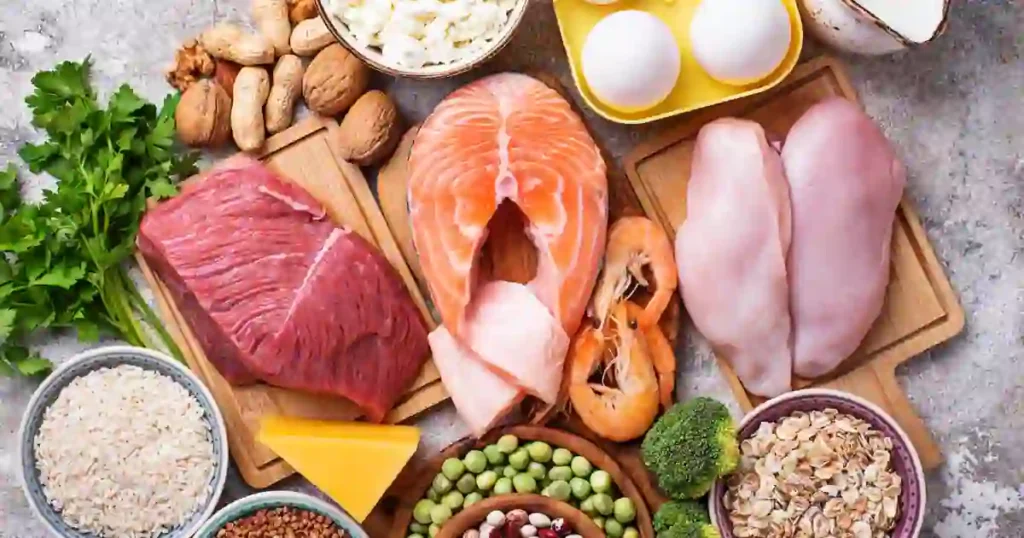
Egg whites and shrimp are top picks. They have almost no fat or sugar. These are great foods with most protein and least calories to eat every day.
Protein helps you feel full for a long time. It also takes more work for your body to burn. This is a simple and smart way to reach your goals fast.
Yes, skinless chicken is a lean powerhouse. It is a staple for anyone who wants to stay fit. This is a key part of foods with most protein and least calories.
Seitan and tofu are excellent choices. They give you a lot of power without the extra fat. These are top foods with most protein and least calories for all.
They protect your muscles while you lose fat. This keeps your body strong and your metabolism high. It is the best path to a safe and smart weight loss.

Dr. Selim Yusuf, MD, PhD
Founder & Chief Medical Editor, Maintenance Calorie Calculator Expertise: Clinical Nutrition, Metabolic Health, and Exercise Physiology
Experience: 15+ Years of Practical & Clinical Experience
Dr. Selim Yusuf is a licensed physician, clinical research scientist, and dedicated metabolic health expert with over 15 years of practical experience diagnosing, managing, and treating health and nutritional issues. As the founder and chief medical editor of Maintenance Calorie Calculator, Dr. Yusuf combines a rigorous academic background with years of frontline clinical experience to provide evidence-based, highly accessible nutritional tools for the public.
Dr. Yusuf earned his Doctor of Medicine (MD) from the Johns Hopkins University School of Medicine, where he graduated with honors and developed a deep interest in preventive medicine and metabolic health disorders. Following his medical residency, he pursued advanced academic research, earning a PhD in Nutritional Sciences and Metabolism from Harvard University.
His academic and clinical training uniquely bridges the gap between complex biochemical pathways (how the human body extracts energy from food) and practical, everyday clinical care. Over the course of his 15-year career, he has authored multiple peer-reviewed research papers focusing on the management of obesity, metabolic adaptation during prolonged calorie restriction, and macronutrient optimization for lean mass preservation.
Before transitioning his focus to digital health utility platforms, Dr. Yusuf served as an administrative lead and consulting metabolic specialist within top-tier university medical centers. Beyond his institutional roles, he has worked extensively as an elite evidence-based fitness and metabolic coach, guiding hundreds of individuals, ranging from sedentary desk workers battling chronic metabolic slowdowns to competitive athletes looking to optimize body composition.
Throughout his 15 years of practice, Dr. Yusuf noticed a recurring barrier to sustainable patient success: the mathematical confusion surrounding daily nutrition. He observed that most individuals fail to reach their physical goals not from a lack of effort, but because they lack a precise biological baseline.