Dinner is where most people quietly lose track of their goals. I know because I did it for years. Living in Seattle, I’d come home from a long day, exhausted and hungry, and just eat whatever felt right, and that was rarely the right call. Once I started exploring low calorie dinner ideas without overeating at night, everything changed. My energy improved, sleep got better, and I stopped waking up feeling heavy. This guide shares what I’ve learned, meal by meal, choice by choice.
What Is a Low Calorie Dinner and Why It Matters
A low calorie dinner is not about starving yourself. Let’s get that straight first.
It’s a balanced evening meal that keeps calories in check while still keeping you satisfied. Done right, it fits your health goals without making you feel punished. The focus is on smart food choices, not empty plates.
Simple Definition
Most nutrition experts define a low calorie dinner as a meal that falls between 300 and 600 calories. The key word is nutrient density, getting real nutritional value out of every bite.
- It prioritizes protein, fiber, and vegetables
- It limits empty carbohydrates and added fats
- It leaves you full, not stuffed
Why Dinner Plays a Crucial Role
Here’s something most people don’t think about: your metabolism naturally slows down in the evening. Your body just doesn’t burn calories the same way it does during the day. Late, heavy meals sit in your gut while you sleep. That can affect digestion, fat storage, and even the quality of your rest.
I’ve felt that difference myself. Heavy dinners used to leave me tossing at night. Lighter ones? I’d fall asleep easier and wake up actually hungry for breakfast, which is exactly how it should work.
- Metabolism slows at night, big meals are harder to burn
- Late eating is linked to increased fat storage
- Poor dinner choices disrupt digestion and sleep quality
Why This Moment in the Day Matters Most
Think about a busy Tuesday evening. You’re tired. You’ve been making decisions all day. Your willpower is genuinely lower by 7 PM. That’s when the chips come out, or the takeout order gets placed. That’s why having a plan for dinner specifically, not just general healthy eating, makes such a difference.
Ideal Calorie Intake for Dinner Based on Your Goals
Dinner calories should not be random. They should be intentional, connected to your daily budget and your specific goal.
General Guidelines That Actually Work
| Goal | Dinner Calorie Range |
|---|---|
| Weight loss | 300–500 calories |
| Maintenance | 500–700 calories |
| Better sleep / light eating | 300–450 calories |
These are ranges, not rigid rules. The goal is consistency over perfection.
Factors That Shape Your Dinner Calorie Needs
No two people are the same. Here’s what actually influences how much you should eat at dinner:
Age: Metabolic rate drops with age. A 45-year-old needs fewer evening calories than a 25-year-old.
Activity level: If you just had an evening workout, your needs go up. If you sat all day, they stay lower.
Overall daily intake: Dinner is part of a full day’s picture. If lunch was heavier, dinner should be lighter, and vice versa.
Body composition goals: Building muscle requires more protein at dinner. Cutting fat requires tighter control of carbs and total calories.
The Mayo Clinic’s guidance on energy density supports a consistent approach: eating low-energy-dense foods means consuming a greater amount of food with fewer calories, which helps you feel fuller without overeating.
Key Nutritional Components of a Low Calorie Dinner
Structure matters more than willpower. I’ve found that when my dinner has the right pieces, I never feel deprived. When it doesn’t, I’m raiding the kitchen by 10 PM.
Lean Protein, Your Anchor
Protein is the most filling macronutrient. It takes longer to digest, keeps blood sugar stable, and signals your brain that you’re satisfied. Research consistently shows that adequate protein reduces calorie intake and hunger levels.
Best low calorie protein options for dinner:
- Chicken breast, roughly 165 calories per 100g, packed with 31g protein
- White fish (tilapia, cod), around 90–110 calories per 100g
- Eggs, 70 calories each, versatile, and extremely filling
- Lentils (dal), 180 calories per bowl, rich in fiber and plant protein
- Tofu, great plant-based option, about 90 calories per 4 oz
Research shows that lean meats like chicken and turkey are low in calories but loaded with protein, and insufficient protein intake can increase hunger and appetite, while eating more protein reduces calorie intake and hunger levels.
Fiber-Rich Vegetables, Your Volume Builder
Vegetables are the smartest calorie hack in existence. They take up space in your stomach, they slow digestion, and they’re loaded with micronutrients, all for almost no caloric cost.
Research shows that 300 grams of spinach contains approximately the same calories as one tablespoon of olive oil, yet the volume difference profoundly impacts how satisfied you feel.
Best vegetables for a filling, low calorie dinner:
- Spinach, kale, arugula
- Broccoli, cauliflower, zucchini
- Cucumber, carrots, bell peppers
- Tomatoes, mushrooms
Controlled Carbohydrates, Keep Them Smart
Carbs are not the enemy. But at dinner, quantity and quality both matter. Refined white carbs digest fast and spike blood sugar, which leads to hunger again within an hour or two. Whole carbs are slower, steadier, and more filling.
Smart carb choices for dinner:
- Brown rice, about 215 calories per cup (cooked)
- Whole wheat roti, around 120 calories per piece
- Sweet potato, about 130 calories for a medium one
- Quinoa, complete protein source with good fiber
Healthy Fats, Small but Essential
Don’t eliminate fat from dinner. A small amount of healthy fat helps absorb fat-soluble vitamins and actually increases meal satisfaction. The key is minimal, a drizzle of olive oil, a small handful of seeds, or half an avocado.
What to use:
- Extra virgin olive oil (1 teaspoon = ~40 calories)
- Flaxseeds or chia seeds (small portions)
- Avocado (a quarter avocado = ~60 calories)
Ideal Low Calorie Dinner Plate Breakdown
After years of eating well and experimenting with my own meals, I landed on this plate model. It works, not because it’s complex, but because it’s balanced.
| Component | Portion of Plate | Best Examples |
|---|---|---|
| Protein | 35–40% | Chicken, fish, eggs, lentils |
| Vegetables | 40–50% | Leafy greens, broccoli, cucumber |
| Carbohydrates | 10–20% | Brown rice, whole wheat roti |
| Healthy Fats | 5–10% | Olive oil, seeds, small avocado |
The 50-25-25 approach, endorsed by multiple health organizations, fills 50% of the plate with non-starchy vegetables, this creates a volume foundation using water-rich options that keep calories low while filling the stomach.
If your plate looks roughly like this, you’re doing it right, even without counting every single calorie.
Best Low Calorie Dinner Ideas for Everyday Life
Not every night calls for a gourmet meal. Sometimes the best dinner is the simplest one. Here are my go-to low calorie dinner ideas without overeating at night, organized by how much effort you actually have in you.
Quick and Easy Options (Under 30 Minutes)
These are my personal weeknight staples. Simple, filling, and genuinely good.
Grilled Chicken + Sautéed Vegetables About 350–400 calories. Season chicken breast with garlic, paprika, and lemon. Sauté spinach or broccoli in a teaspoon of olive oil. Done in 20 minutes. Protein-forward, very filling.
Egg White Omelet + Side Salad About 250–300 calories. Three egg whites with mushrooms and spinach, folded over. Add a cucumber and tomato salad on the side. Incredibly light but satisfying.
Dal (Lentil Soup) + One Small Roti About 300–350 calories. This is a South Asian classic, and it works beautifully as a light evening meal. Dal is rich in plant protein and fiber. One roti adds controlled carbs without going overboard.
Stir-Fried Tofu + Bok Choy About 280–320 calories. Tofu absorbs flavor beautifully. Stir-fry with garlic, ginger, low-sodium soy sauce, and bok choy. Serve over a small portion of brown rice.
10-Minute “I Have No Energy” Meals
We’ve all been there. Here’s what works fast:
- Boiled eggs + cucumber slices + a sprinkle of salt, takes 10 minutes if you have pre-boiled eggs
- Plain Greek yogurt + berries + a drizzle of honey, cold, refreshing, surprisingly filling
- Canned tuna salad with celery and lemon, no cooking needed, high protein
- Cottage cheese + sliced veggies, one bowl, ready in two minutes
The Real “Lazy Night” Meal
Let me be honest about this one. Some nights, dinner is just rice, dal, and pickle. That’s fine. The trick I use: I take a smaller portion of rice and add more dal. Same food. Same flavor. Better balance.
Common Dinner Foods and Their Calories
This table has saved me from so many bad choices. When I know the numbers, I make better decisions quickly, especially when I’m hungry and impatient.
| Food Item | Approximate Calories | Notes |
|---|---|---|
| Chicken breast (100g, grilled) | 165 | High protein, very filling |
| White rice (1 cup, cooked) | 200 | Easy to overeat |
| Brown rice (1 cup, cooked) | 215 | More fiber, better satiety |
| Roti / whole wheat (1 piece) | 120 | Better portion control |
| Dal (1 bowl, lentil soup) | 180 | Fiber-rich, very nutritious |
| Boiled eggs (2 large) | 140 | Protein-packed |
| Grilled fish (100g) | 100–140 | Lean, light, excellent |
| Fried chicken (100g) | 300+ | High fat, limited satiety |
| Sautéed spinach (1 cup) | 40 | High volume, almost no calories |
| Broccoli (1 cup, steamed) | 55 | Filling, nutrient dense |
Small awareness → big long-term results. Knowing these numbers doesn’t mean obsessing. It means making better default choices.
Common Mistakes to Avoid with Low Calorie Dinners
I’ve made every one of these mistakes personally. Learn from my experience, not the hard way.
Mistake #1, Skipping Dinner Entirely
Skipping dinner feels like discipline. It isn’t. By 9 or 10 PM, the hunger becomes overwhelming and you end up eating more, and worse, than if you’d just had a planned, light dinner. Skipping meals disrupts hunger hormones, specifically ghrelin, which spikes and makes you reach for calorie-dense foods.
Mistake #2, Eating Only Salad with No Protein
A plain salad without protein or fat leaves you hungry again in 45 minutes. I learned this the hard way after “healthy” salad dinners that led to late-night snacking. Always anchor the salad with a protein source, grilled chicken, boiled eggs, canned tuna, or chickpeas.
Mistake #3, Ignoring Hidden Calories
This is where most people quietly blow their targets without realizing it:
- Two tablespoons of creamy dressing can add 150 calories to a salad
- An extra splash of oil in a pan adds 60–120 calories
- A glass of juice at dinner adds 100–150 empty calories
- Heavy sauces on “healthy” stir-fries can add 200+ calories
Read labels. Use measuring spoons for oil. Choose water, lemon water, or green tea.
Mistake #4, Eating Too Fast
Your brain needs about 15–20 minutes to register fullness after you start eating. If you eat too fast, you finish before your body has signaled that it’s satisfied. I put my fork down between bites now. It felt strange at first. Now it’s automatic.
Mistake #5, Eating in Front of Screens
Distracted eating leads to mindless eating. Studies show that people eat significantly more when they’re watching TV or scrolling their phone. I try to eat at the table, even if it’s just 15 minutes. The food tastes better, and I eat less.
How to Stay Full on a Low Calorie Dinner
Staying full on fewer calories is a skill. It’s not magic. Here’s exactly how it works.
Prioritize Protein at Every Dinner
Protein triggers satiety hormones, suppresses the hunger hormone ghrelin, and takes longer to digest than carbs or fats. Aim for 25–35 grams of protein at dinner for effective fullness.
Incorporating a little protein in each meal, whether meat, fish, eggs, or legumes such as lentils and beans, along with fiber from vegetables and leafy greens, is a sustainable approach that nutrition researchers themselves follow.
Increase Food Volume with Low-Calorie Vegetables
Volume eating is one of the most effective strategies I’ve used. The concept: fill your plate with low-calorie-density foods that take up space in your stomach.
High-volume foods send fullness signals to the brain by filling your stomach, which reduces the urge to overeat more calorie-dense options, this works because energy density determines how many calories are packed into a given weight of food.
Practical volume-eating tactics:
- Start every dinner with a small broth-based soup
- Use leafy greens as a base before adding other ingredients
- Add extra cucumber, zucchini, or broccoli to any meal
- Choose water-rich foods like tomatoes, bell peppers, and lettuce
Eat Slowly and Chew Thoroughly
Slowing down gives your brain time to catch up with your stomach. Chewing food more thoroughly also helps digestion. A simple rule: put your utensil down between every few bites.
Use Smaller Plates
This is a well-studied psychological trick that genuinely works. A full small plate feels more satisfying than a half-empty large plate, even if the portions are identical. I switched to 9-inch dinner plates and noticed a real difference.
Drink Water Before and During Dinner
Drinking a glass of water 15–20 minutes before dinner reduces overall food intake. Keep water on the table during your meal. It helps pace eating and keeps you hydrated, which can reduce false hunger signals.
Real-Life Dinner Routine Example
Let me walk you through a real dinner scenario from my own life.
It’s a Wednesday evening. Long day. I’m tired. I open the fridge and I have: leftover brown rice, some chicken breast, spinach, a few eggs, and a cucumber.
Here’s what I do, and what I used to do before I got smarter about this.
Old approach: Pile a large bowl of rice, fry the chicken in a lot of oil, skip the vegetables, eat fast in front of the TV, and feel full and heavy before bed.
Current approach:
- Take half the rice I normally would
- Grill or pan-sear the chicken with minimal oil and seasoning
- Sauté the spinach in the pan with garlic (takes 3 minutes)
- Slice the cucumber as a fresh side
- Eat at the table, slow down
The calorie difference? Roughly 350 calories versus 600+. The satisfaction? Almost identical. The way I feel an hour later? Worlds apart.
Low Calorie Dinner Ideas for Different Goals
Your dinner should match your specific aim. Here’s how to calibrate.
For Weight Loss
The priority is protein and volume. Fewer carbs. More vegetables. Higher protein. This combination creates a caloric deficit without leaving you ravenous.
Sample weight loss dinner:
- 150g grilled chicken breast (248 cal)
- 1 cup steamed broccoli (55 cal)
- Large salad with lemon dressing (50 cal)
- Total: ~353 calories
For Maintenance
A more balanced plate. Moderate carbs are fine. The goal here is consistency, not restriction.
Sample maintenance dinner:
- 120g baked salmon (200 cal)
- ½ cup brown rice (107 cal)
- Roasted vegetables (80 cal)
- Total: ~387 calories
For Better Sleep
Sleep-supportive dinners are lighter and avoid foods that cause digestive discomfort. Tryptophan-rich foods like turkey, eggs, and dairy can actually promote melatonin production. Avoid heavy, oily, or spicy food within 2 hours of bedtime.
Sample sleep-friendly dinner:
- 2 scrambled eggs with herbs (140 cal)
- 1 cup warm lentil soup (180 cal)
- Small side of cucumber slices (16 cal)
- Total: ~336 calories
For Post-Workout Recovery
Higher protein is essential after exercise to repair muscle. Add slightly more carbs to replenish glycogen stores.
Sample post-workout dinner:
- 200g grilled fish or chicken (300 cal)
- ¾ cup brown rice (160 cal)
- Steamed greens (50 cal)
- Total: ~510 calories
Expert Advice from a Nutrition Specialist
I’ve read widely on this topic and the science is consistent. Dr. David Katz, a Yale-trained physician and nutrition expert, puts it plainly: the best dinners are those that leave you satisfied, not stuffed, and support long-term health habits rather than short-term restriction.
That philosophy lines up exactly with what I’ve experienced. Restriction-based eating never lasts. Satisfaction-based eating does. The goal is building a dinner habit that feels good, not one that feels like punishment.
Satiety per calorie is a practical framework: eating better means filling up on delicious food, getting all the nutrition you need, and not being hungry, all while consuming less energy. The question isn’t how little you can eat, but which foods are the most filling, nutritious, and satisfying per calorie.
High-Calorie vs Low-Calorie Dinner Swaps
You don’t need a new diet. You just need smarter swaps. These are the ones I rely on most.
| High-Calorie Choice | Low-Calorie Alternative | Approximate Calories Saved |
|---|---|---|
| Fried rice (1 cup) | Steamed rice + sautéed vegetables | ~200 |
| Creamy curry sauce | Tomato-based or broth-based sauce | ~250 |
| Soda or packaged juice | Water with lemon or green tea | ~150 |
| Large rice portion (2 cups) | Half rice + double vegetables | ~150 |
| Fried chicken (100g) | Grilled or baked chicken | ~130 |
| Full-fat creamy dressing | Lemon juice + olive oil drizzle | ~100 |
| Garlic bread side | Whole wheat roti (1 piece) | ~120 |
You’re not eliminating food. You’re upgrading your choices. That framing makes a real difference psychologically.
Emotional Eating at Night, The Real Issue
Let me be real here, because this is something nutrition articles often skip over.
A lot of late-night eating has nothing to do with hunger. It’s stress. It’s exhaustion. And, it’s sitting on the couch after a hard day and reaching for food because it feels comforting. I’ve done it. Most people do.
Stress Eating
Work pressure, family stress, or mental fatigue can all trigger a reach for comfort foods, usually dense, salty, or sweet ones. The problem isn’t that you’re eating; it’s that you’re not eating because you’re hungry.
What helps:
- Name the emotion before opening the fridge
- Ask: “Am I hungry, or am I something else?”
- Take 5 deep breaths before deciding to eat
Boredom Eating
Scrolling your phone late at night creates a weird mental vacancy that food temporarily fills. This is one of the most common sources of excess nighttime calories.
What helps:
- Keep cut vegetables in the fridge for mindless snacking
- Swap the phone for a short walk or a book
- Drink a glass of water and wait 10 minutes
Building Awareness Without Obsession
You don’t need to eliminate emotional eating entirely, that’s an unrealistic standard. You just need to build a small pause between the impulse and the action. That 10-minute gap changes everything.
Best Drinks with a Low Calorie Dinner
Drinks are a silent calorie source most people ignore. I used to drink juice with dinner thinking it was healthy. A single glass of orange juice can add 110 calories of mostly sugar.
What to Drink
- Water, the ideal dinner drink, always
- Lemon water, refreshing, may support digestion
- Unsweetened green tea, around 0–5 calories, antioxidant-rich
- Plain black coffee (if early evening only), about 5 calories
What to Avoid
- Packaged fruit juices, high sugar, low fiber
- Sodas and sweetened drinks, empty calories, zero satiety
- Alcohol, lowers food inhibition, adds calories, disrupts sleep
- Flavored milk drinks, can add 150–200 hidden calories
Swapping a nightly soda for lemon water can save 50,000+ calories per year. That’s not a small number.
Cultural Approach: Low Calorie Dinner in South Asian Homes
This section is personal. Growing up, dinner meant rice, dal, curry, and vegetables. The food isn’t the problem, the portions and preparation methods often are.
You don’t need to abandon traditional food to eat well. You need smarter adjustments.
Practical South Asian Dinner Modifications
Rice: Take half your usual portion. Fill the rest of that space on your plate with dal and vegetables. Same meal, better balance.
Dal: Dal is genuinely one of the best low calorie dinner foods in existence, plant protein, fiber, slow digestion, satisfying. Eat more of it, not less.
Fish and meat: Grilling, baking, or light sautéing instead of deep frying saves 100–200 calories per serving without sacrificing flavor.
Oil: One teaspoon of oil goes a long way in a non-stick pan. Many South Asian recipes use two to four times more oil than needed.
Takeout: Home-cooked meals are almost always lower in calories than restaurant or takeout versions, because you control the oil, salt, and portion size.
The same family table. The same flavors. Just smarter choices.
Tools and Apps to Track Dinner Calories
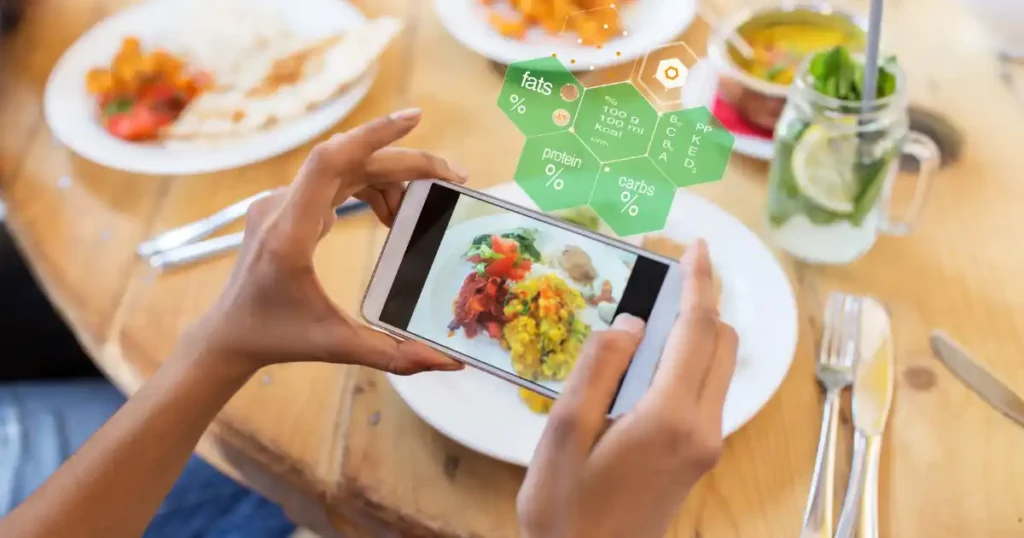
If you want precision, especially when starting out, calorie tracking apps can be very helpful. They build awareness fast, even if you only use them for a few weeks.
Popular Tracking Tools
MyFitnessPal, large food database, easy to log meals, tracks macros. Free version is solid.
Cronometer, more detailed micronutrient data. Good if you care about vitamins and minerals beyond just calories.
Lose It!, clean interface, easy barcode scanning for packaged foods.
Why Tracking Helps (Even Short-Term)
You don’t have to track forever. But tracking for 2–4 weeks builds a mental model of portion sizes and calorie values that sticks with you long after you stop. You start to know roughly what a 400-calorie dinner looks like, and that knowledge changes your choices.
Research supports that tracking food intake builds self-monitoring habits linked to better weight management, even people who eventually stop tracking make better choices because awareness has been internalized.
Building a Sustainable Low Calorie Dinner Habit
Here’s the most important thing I’ve learned: sustainability beats perfection every single time.
One perfect dinner a week matters far less than a reasonable dinner every night. The goal is not a diet. The goal is a default, a way of eating that becomes automatic over time.
Start Small, Build Gradually
Don’t overhaul everything at once. Start with one change:
- Reduce your rice portion by half for one week
- Add one extra serving of vegetables per dinner
- Switch from fried to grilled protein
One change. Stick with it. Then add another.
Make It Genuinely Enjoyable
Low calorie dinners do not have to be boring or sad. Experiment with spices, herbs, fresh lemon, garlic, and ginger. The flavor comes from seasoning, not from fat or extra carbs.
Accept the Imperfect Nights
Some nights will be heavy. Special occasions, family dinners, exhausting days, sometimes dinner just isn’t “perfect.” That is completely fine. One dinner does not define your health. The pattern over weeks and months does.
Build Your Environment
Put cut vegetables at eye level in your fridge. Keep healthy proteins ready to cook. Don’t stock the pantry with chips or cookies. If the easy option is the healthy option, you’ll make better choices by default.
Final Recommendation
After years of experimenting with my own dinners, and reading extensively about the science behind satiety, metabolism, and weight management, here’s my honest recommendation.
Focus on three things only.
First, anchor every dinner with lean protein. Chicken, fish, eggs, lentils, pick one. Protein is the single most powerful tool for staying full on fewer calories. Aim for 25–35 grams per dinner.
Second, fill half your plate with vegetables. Not as a side thought, as the centerpiece. Leafy greens, broccoli, zucchini, cucumber. They add volume, fiber, and nutrients for almost zero calories.
Third, be mindful, not obsessive. You don’t need to count every calorie forever. You need to build awareness. Know roughly what a balanced dinner looks like. Pay attention to how you feel after eating. Adjust based on results.
Low calorie dinner ideas without overeating at night are not complicated. The food is simple. The portions are manageable. The habits are learnable. And the results, better sleep, steadier energy, gradual weight control, are absolutely real.
Start tonight. Take half the rice. Add more vegetables. Eat a little slower. That’s it. Everything else builds from there.
Eat Light: Low Calorie Dinner Ideas Without Overeating at Night
Enjoying a light meal helps you sleep better and stay fit. Here are low calorie dinner ideas without overeating at night to keep your goals on track.
Try grilled fish or chicken with steamed greens. These fill you up with good protein. They are great low calorie dinner ideas that keep you light.
Drink a large glass of water before you eat. Use a small plate to control your portions. This is a simple and smart way to curb your hunger fast.
Yes, broth-based soups with beans are excellent. They take a long time to eat and feel very warm. This is a top trick for low calorie dinner ideas.
You may need more fiber or protein in your meal. These help you feel full for a longer time. Adding more bulky greens is a safe and smart fix.
Stick to a small piece of fruit or some Greek yogurt. These are light and sweet. They help you avoid overeating at night before you go to bed.

Dr. Selim Yusuf, MD, PhD
Founder & Chief Medical Editor, Maintenance Calorie Calculator Expertise: Clinical Nutrition, Metabolic Health, and Exercise Physiology
Experience: 15+ Years of Practical & Clinical Experience
Dr. Selim Yusuf is a licensed physician, clinical research scientist, and dedicated metabolic health expert with over 15 years of practical experience diagnosing, managing, and treating health and nutritional issues. As the founder and chief medical editor of Maintenance Calorie Calculator, Dr. Yusuf combines a rigorous academic background with years of frontline clinical experience to provide evidence-based, highly accessible nutritional tools for the public.
Dr. Yusuf earned his Doctor of Medicine (MD) from the Johns Hopkins University School of Medicine, where he graduated with honors and developed a deep interest in preventive medicine and metabolic health disorders. Following his medical residency, he pursued advanced academic research, earning a PhD in Nutritional Sciences and Metabolism from Harvard University.
His academic and clinical training uniquely bridges the gap between complex biochemical pathways (how the human body extracts energy from food) and practical, everyday clinical care. Over the course of his 15-year career, he has authored multiple peer-reviewed research papers focusing on the management of obesity, metabolic adaptation during prolonged calorie restriction, and macronutrient optimization for lean mass preservation.
Before transitioning his focus to digital health utility platforms, Dr. Yusuf served as an administrative lead and consulting metabolic specialist within top-tier university medical centers. Beyond his institutional roles, he has worked extensively as an elite evidence-based fitness and metabolic coach, guiding hundreds of individuals, ranging from sedentary desk workers battling chronic metabolic slowdowns to competitive athletes looking to optimize body composition.
Throughout his 15 years of practice, Dr. Yusuf noticed a recurring barrier to sustainable patient success: the mathematical confusion surrounding daily nutrition. He observed that most individuals fail to reach their physical goals not from a lack of effort, but because they lack a precise biological baseline.