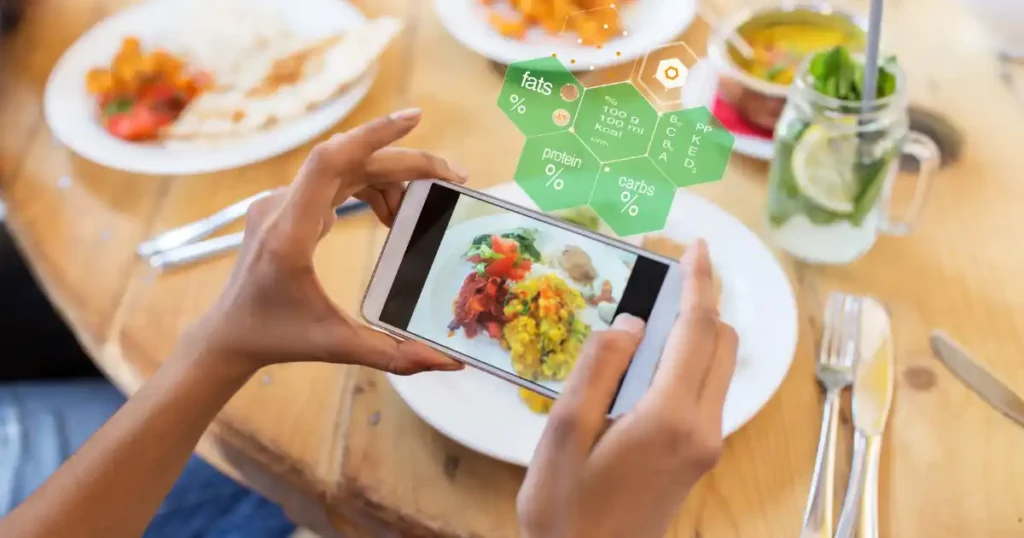

Good intentions walk into the grocery store and frequently walk out with snack foods that were never on the plan. The store is designed that way. The lighting, the end-cap displays, the positioning of calorie-dense products at eye level, it is all deliberate. Grocery shopping for calorie control is not about willpower in the moment. It is about building a system before the moment arrives. After years of coaching clients in Minneapolis, Minnesota through nutrition changes, the clearest pattern was that people who succeeded at calorie management had better groceries at home, not better discipline in a moment of temptation. The kitchen environment is downstream from the grocery cart. This guide walks through every step of grocery shopping for calorie control, from planning before leaving the house to building a kitchen that makes the right choices the easy choices all week.
Why Grocery Shopping Matters for Calorie Control
The most powerful nutrition intervention available to most people is not a meal plan or a supplement protocol. It is changing the food environment at home. What is in the kitchen determines what gets eaten at 7 p.m. when hunger and decision fatigue coincide.
The Link Between Food Availability and Eating Habits
Environmental nutrition research is consistent on this point:
- What is at home is what you will eat: research from Cornell University’s Food and Brand Lab documents that people eat whatever is accessible and visible, largely regardless of nutritional intent. People with fruit in a visible bowl eat more fruit; people with chips on the counter eat more chips.
- The grocery cart is the single highest-leverage intervention point: changing what comes home changes what gets eaten across hundreds of meals and snacks per week. No single dietary decision produces that magnitude of downstream influence.
Reducing Decision Fatigue
Every food-related decision depletes a finite cognitive resource:
- Good choices become automatic when your kitchen is stocked right: when only calorie-appropriate food is available, decision fatigue produces good choices by default. When calorie-dense food is in the kitchen, decision fatigue produces poor choices by default.
- Grocery shopping for calorie control is an upstream decision that removes hundreds of downstream decisions. One good grocery trip replaces a week of willpower battles.
Preventing Impulse Eating
Calorie control fails most often not at planned meals but at unplanned, impulse eating occasions:
- Fewer high-calorie foods at home equals fewer temptations: when the highest-calorie option in the kitchen is Greek yogurt and apples, that is what gets eaten during late-night hunger. When chips and cookies are present, those are what gets eaten.
- Research supported by the CDC consistently shows that food environment, not individual willpower, is the primary driver of dietary behavior at the population level.
Step 1: Plan Before You Go Shopping
A successful grocery trip for calorie control begins before leaving the house. Arriving at the store without a plan is the most reliable way to walk out with foods that undermine calorie goals.
Create a Simple Meal Plan
The meal plan does not need to be elaborate. It needs to be realistic:
- Breakfast, lunch, dinner basics: identify what will be eaten for each major meal type for the coming week. Three breakfast options, three to four lunch options, four to five dinner options. That is sufficient to build a complete grocery list without complexity.
- Keep it realistic, not perfect: a meal plan built around foods you actually enjoy and know how to prepare will be followed. A meal plan built around nutritionally optimized foods you have never cooked will be abandoned by Tuesday.
Build a Grocery List
A written grocery list is one of the most consistently effective behavioral tools for grocery shopping for calorie control:
- Stick to essentials to avoid impulse buys: a detailed list reduces the browsing time in aisles that leads to impulse additions. Every minute spent wandering past processed food is time for marketing to work.
- Organize the list by store section: produce, proteins, dairy, pantry staples, frozen. This structure moves the shopping trip efficiently through the lower-calorie perimeter sections before reaching the middle aisles.
Avoid Shopping When Hungry
Hunger is the most reliable predictor of poor grocery shopping decisions:
- Hunger leads to high-calorie choices: research from the journal PNAS found that hungry grocery shoppers purchased more calorie-dense foods and fewer low-calorie items than the same shoppers in a satiated state. The effect persists even when the hunger is mild.
- The practical solution is simple: eat a small protein and fiber-containing snack before shopping. An apple with a tablespoon of almond butter, or a cup of Greek yogurt, consumed 30 minutes before the store eliminates most hunger-driven impulse buying.
Step 2: Understand Calories and Food Labels
Nutrition label literacy is a core skill for grocery shopping for calorie control. Reading labels accurately transforms the store into a navigable environment rather than an overwhelming one.
Serving Size Awareness
The most common calorie calculation error in grocery shopping begins with serving size:
- Always check portion size first: every calorie count, fat gram, and sugar gram on a nutrition label is based on the specified serving size. A bag of chips labeled 150 calories per serving with 2.5 servings per bag contains 375 calories if the whole bag is eaten.
- Most packaged foods have serving sizes significantly smaller than the amount most people actually consume. Granola labeled at 120 calories per quarter cup is 480 calories for a typical 1-cup bowl.
Calories Per Serving
Once the serving size is confirmed, the calorie number becomes actionable:
- Multiply if you eat more than one serving: the label calories must be multiplied by actual servings consumed to get the true calorie contribution. This step is skipped by most people and produces consistent calorie underestimation.
- Use calorie tracking apps like MyFitnessPal or Cronometer to scan barcodes in the store for instant nutritional data. This pre-purchase nutritional lookup eliminates surprise calorie contributions from products that looked healthy on the front of the package.
Hidden Ingredients
Ingredient label reading reveals the calorie contributors that the front-of-package labeling obscures:
- Watch for added sugars and oils: added sugars appear under dozens of names (corn syrup, dextrose, maltose, agave nectar, fruit juice concentrate) and significantly increase the calorie density of products labeled as healthy
- Added oils near the top of an ingredient list signal a high-fat, high-calorie product regardless of other health claims. The ingredient list shows what the product is actually made of.
Table 1: How to Read a Nutrition Label for Calorie Control
Dietitians consistently identify label reading as one of the most practical skills for grocery shopping for calorie control. This expanded table includes protein alongside the four standard sections, because protein per calorie is one of the most useful metrics for calorie-control shopping decisions.
| Label Section | What to Look For and Why It Matters |
| Serving size | The true portion: all other numbers are based on this amount. Most packages contain multiple servings. |
| Calories per serving | Multiply by servings consumed. A 2-serving package at 200 calories per serving is 400 calories if eaten in full. |
| Total fat | Fat provides 9 calories per gram versus 4 for protein and carbs. High fat = higher calorie density. |
| Added sugars | Hidden calorie source in sauces, yogurt, granola bars, and dressings. Aim under 5g per serving for most foods. |
| Protein | Higher protein per calorie = better satiety. Look for at least 10g per 200 calories in protein-forward foods. |
Step 3: Shop the Perimeter First
The physical layout of most American grocery stores follows a consistent pattern: fresh, whole foods around the perimeter; processed, packaged foods in the center aisles. Grocery shopping for calorie control starts at the edges.
Fresh Produce Section
The produce section is the foundation of any calorie-control grocery trip:
- Low-calorie, nutrient-dense foods: non-starchy vegetables provide the largest physical volume per calorie of any food category. Loading the cart with vegetables first ensures the home kitchen is stocked with the highest-volume, lowest-calorie foods available.
- Buy variety: different vegetables provide different micronutrients and flavors, preventing the boredom that makes calorie-control eating feel restrictive. Aim for at least five to seven different vegetables per weekly shopping trip.
Lean Proteins
Protein is the macronutrient most important for satiety, and the protein section is the second critical perimeter stop:
- Chicken, fish, eggs: skinless chicken breast (31g protein per 100g at 165 calories), white fish like cod or tilapia (20-25g protein per 100g at 90-110 calories), and eggs (6g protein at 70 calories each) are the highest protein-per-calorie whole food proteins available
- Buying adequate protein for every meal of the week ensures that the meal plan has a satiety foundation that reduces the total daily calorie intake naturally
Dairy and Alternatives
The dairy section offers several valuable calorie-control options:
- Choose lower-calorie options when needed: plain non-fat Greek yogurt (100 calories per cup, 17-20g protein) is one of the most calorie-efficient grocery purchases available. Whole fat dairy is nutritious but calorie-dense; choosing lower-fat options within the dairy section preserves protein delivery at lower calorie cost.
- Unsweetened almond milk (30 calories per cup versus 150 for whole milk) is a useful lower-calorie alternative for cereal, smoothies, and coffee
Step 4: Choose Low-Calorie, High-Volume Foods
Grocery shopping for calorie control is most effective when the cart is filled with foods that allow larger portions at lower calorie totals. These are the foods that make a calorie deficit feel like adequate eating rather than restriction.
Vegetables That Fill You Up
Non-starchy vegetables are the highest-volume, lowest-calorie foods available in any grocery store:
- Spinach: 7 calories per cup raw. Mild flavor integrates into eggs, stir-fries, salads, and smoothies. One pound of raw spinach is approximately 100 calories, essentially free volume.
- Broccoli: 31 calories per cup. High fiber (2.4g per cup) and protein (2.6g per cup) for a vegetable. Roasts, steams, or stir-fries within 10 minutes from raw.
- Cucumbers: 16 calories per cup sliced. 96% water by weight. Adds physical volume and crunch to salads and snack plates with negligible calorie contribution.
Fruits with High Water Content
Fruit addresses the natural craving for sweetness within calorie-control grocery shopping:
- Watermelon: 46 calories per cup cubed. 92% water. Among the lowest calorie density of any fruit, providing physical volume and natural sweetness at minimal calorie cost.
- Oranges: 62 calories per medium orange. High vitamin C, fiber, and the physical act of peeling and sectioning naturally slows eating pace.
- Strawberries: 49 calories per cup. 91% water. Natural sweetness that satisfies dessert-adjacent cravings at very low calorie cost.
Lean Protein Sources
Protein sources that provide maximum satiety per calorie are the core of grocery shopping for calorie control:
- Broccoli: included here as a dual-use food, it functions both as a high-volume vegetable and as a meaningful protein source (2.6g per cup) for plant-forward meals
- Chicken breast: 31g protein per 100g cooked at 165 calories. The most protein-dense common animal protein source.
- Greek yogurt: 17-20g protein per cup at approximately 100 calories for plain non-fat. One of the most calorie-efficient protein foods available in any grocery store.
Table 2: High Volume Low Calorie Grocery Picks
These foods consistently appear in calorie-control grocery recommendations because they allow satisfying portions at low calorie totals. Building meals around these foundation foods is the most practical approach to grocery shopping for calorie control.
| Food | Calories | Why It Helps Calorie Control |
| Spinach (1 cup raw) | ~7 calories | Extreme low calorie density; free volume addition to any meal |
| Cucumber (1 cup sliced) | ~16 calories | 96% water; fills stomach with negligible calorie cost |
| Apple (1 medium) | ~95 calories | 4g fiber, natural sweetness, physical chewing slows eating |
| Chicken breast (100g cooked) | ~165 calories | 31g protein per 100g; highest protein-to-calorie ratio of common proteins |
| Greek yogurt (1 cup plain) | ~100 calories | 17-20g protein; strong satiety response from casein and whey combination |
| Broccoli (1 cup) | ~31 calories | High fiber and volume; pairs with any protein for a complete, filling meal |
Step 5: Be Smart in the Middle Aisles
The middle aisles of the grocery store are not off-limits for calorie-control shopping. They contain many valuable foods. They also contain the majority of ultra-processed, calorie-dense products designed for impulse purchasing. Navigating them strategically matters.
Choose Whole Grains
The grain products in the middle aisles vary enormously in calorie-control value:
- Brown rice: 216 calories per cup cooked with 3.5g fiber. A significantly better calorie-control choice than white rice at similar calories because fiber slows digestion and extends satiety.
- Oats (steel-cut or rolled): 166 calories per half cup dry with 4g fiber. One of the most satiating breakfast grains available; the beta-glucan fiber content specifically slows glucose absorption and extends fullness.
- Both of these require minimal middle-aisle time to locate and provide weeks of reliable meal foundation staples
Avoid Ultra-Processed Foods
The calorie risk in middle aisles is almost entirely from ultra-processed food:
- High in calories, low in nutrients: ultra-processed foods typically provide 150-300+ calories per serving with minimal protein, minimal fiber, and ingredients specifically designed to encourage overconsumption
- The middle aisles also contain valuable items: canned tomatoes, canned beans and legumes, olive oil, vinegars, herbs and spices. Navigate to these specific items from the list and avoid browsing.
Read Ingredient Lists
The ingredient list is the most honest section of any food package:
- Shorter lists are usually better: a can of chickpeas contains chickpeas and water. A processed snack food may contain 30+ ingredients including multiple forms of sugar, multiple types of modified starch, and numerous artificial additives. Fewer, recognizable ingredients generally indicate a less processed product.
- The first three ingredients by weight make up the majority of the product. If those three include refined sugar, white flour, or a form of vegetable oil, the product is calorie-dense and low in satiety value.
Real-Life Grocery Shopping Moment
Saturday afternoon in Chicago, Illinois. The store is busy. A shopping cart is pulled from the rack.
The snack aisle is the first one visible. Chips, cookies, and flashy packaging. The products designed to catch the eye are exactly the products most likely to undermine the week’s calorie goals.
The list says: oats, eggs, frozen broccoli, chicken breast, Greek yogurt, apples, spinach, canned chickpeas, olive oil. None of those are in the snack aisle.
The full trip takes 25 minutes. The cart contains exactly what was planned. The following week, every meal is made from food that supports the calorie goal rather than undermining it.
This is grocery shopping for calorie control in practice. Not dramatic. Not restrictive. Just deliberate.
Step 6: Control Portions Through Packaging Choices
Packaging design directly influences how much is eaten. Grocery shopping for calorie control includes choosing packaging that supports appropriate portion consumption.
Buy Smaller Portions
Package size is one of the most reliably predictive variables in portion consumption:
- Reduces overeating risk: research from Dr. Brian Wansink at Cornell University found that people consistently eat more from larger packages, regardless of hunger level. A family-size bag of crackers produces 30-45% more consumption per eating occasion than an individual-size bag of the same crackers.
- For frequently purchased snacks and treats, buying single-serve portions at higher per-unit cost produces better calorie control outcomes than buying bulk at lower cost
Avoid Bulk Junk Food
Warehouse store quantities of calorie-dense food specifically undermine calorie control:
- Large packages encourage larger portions through multiple mechanisms: the large container is left on the counter rather than put away (creating constant visual temptation); each serving is self-determined from an unmarked bulk container; and the low per-unit cost reduces the psychological barrier to taking more
- The cost savings from bulk purchasing of high-calorie snack foods are offset by the calorie cost of the increased consumption they predictably produce
Pre-Portioned Snacks
Pre-portioned packaging provides the most reliable calorie control for snack foods:
- Helpful for calorie control: individual-serve Greek yogurt cups, single-serve nut packets, and pre-portioned string cheese provide clear calorie boundaries that eliminate the ambiguity of self-portioning from bulk containers
- The fixed boundary of a single-serve package also creates a natural stopping point that requires active decision-making to exceed, rather than passive continuation of eating until some external constraint (the bottom of the bowl, the commercial break) stops the process
Step 7: Choose Healthy Snacks Wisely
Snacks are where grocery shopping for calorie control most directly intersects with daily eating behavior. The snacks in the kitchen determine what happens between meals, during the afternoon energy dip, and after dinner.
Smart Snack Options
The snacks that support calorie control share specific nutritional properties:
- Fruits: whole fruit provides natural sweetness, fiber, and hydration. Apples, pears, berries, and oranges satisfy mild cravings in the 50-100 calorie range with significant fiber that reduces subsequent hunger.
- Yogurt: plain Greek yogurt provides 17-20g protein per cup at approximately 100 calories. Add berries or a drizzle of honey for palatability without significantly increasing the calorie total.
- Nuts (controlled portions): a one-ounce serving of almonds, walnuts, or pistachios provides healthy fat, protein, and fiber at 160-200 calories. The critical variable is portion control — free-pouring nuts from a large container consistently produces 2-3x the intended portion.
Avoid High-Calorie Snack Traps
These specific snack categories consistently undermine grocery shopping for calorie control:
- Chips: 150+ calories per ounce with minimal protein and fiber. Engineered for continued eating through the combination of salt, fat, and crunchy texture that does not trigger satiety signals proportional to calorie intake.
- Candy: concentrated sugar and fat in very small volumes that deliver high calories with minimal satiety. Easy to consume 300-500 calories from a bag of candy in a single sitting without feeling full.
- Sugary drinks: caloric beverages that consume the calorie budget without contributing physical satiety. A 16-oz flavored beverage at 200-300 calories provides zero fullness return on that calorie investment.
Table 3: Smart Snack Swaps for Grocery Shopping
Simple grocery substitutions make calorie-control snacking practical without requiring deprivation. These swaps maintain eating satisfaction while significantly reducing calorie impact across the snacking occasions that accumulate over the week.
| Instead of Buying This | Buy This Instead |
| Chips (150 cal/oz, low satiety) | Air-popped popcorn (30 cal/cup, high volume and fiber) |
| Candy bars (200-300 cal, minimal protein) | Fresh fruit with Greek yogurt (150-200 cal, protein and fiber) |
| Regular soda (150 cal/can, zero nutrition) | Sparkling water with lemon or unsweetened sparkling tea |
| Premium ice cream (250-350 cal/half cup) | Plain Greek yogurt with berries and honey (150-180 cal) |
| Flavored granola bars (200+ cal, high sugar) | Hard-boiled eggs or string cheese (70-80 cal, high protein) |
Step 8: Budget-Friendly Calorie Control Shopping
Grocery shopping for calorie control does not require a premium food budget. The most calorie-effective foods are often among the most affordable.
Buy Seasonal Produce
Seasonal produce delivers the best combination of cost and nutritional quality:
- Usually cheaper and fresher: produce in season is available in abundance, driving prices down while nutritional quality is at its peak. Strawberries in June are significantly cheaper than December. Winter squash in October is a fraction of the spring price.
- The USDA Economic Research Service consistently identifies fruits and vegetables as some of the most affordable foods per nutrient delivered, particularly when purchased in season
Use Frozen Vegetables
Frozen vegetables are one of the most underappreciated tools in grocery shopping for calorie control:
- Affordable and long-lasting: frozen vegetables cost 30-50% less per serving than fresh equivalents and remain nutritionally intact for months. The freezing process occurs within hours of harvest, preserving vitamins and minerals comparable to fresh.
- Zero food waste: frozen broccoli, spinach, edamame, and mixed vegetables do not spoil before they are used. This eliminates the cost and nutrition loss from fresh produce that goes bad before being eaten.
Plan Meals Around Sales
Adapting the weekly meal plan to store sales and markdowns reduces both cost and food waste:
- Saves money and reduces waste: identifying the protein and vegetable items on sale and building that week’s meal plan around them produces a consistently lower grocery bill without sacrificing calorie-control quality
- Batch cooking from sale-priced proteins (a whole chicken on sale, a large salmon fillet, a carton of eggs) extends the value across multiple meals
Step 9: Avoid Marketing Traps in Grocery Stores
Grocery store design and product marketing are engineered to increase purchasing. Successful grocery shopping for calorie control requires recognizing and resisting specific, common marketing strategies.
Low-Fat Does Not Always Mean Low-Calorie
Low-fat labeling is one of the most pervasive and misleading marketing claims in grocery stores:
- Often contains added sugar: when fat is removed from a product, manufacturers typically add sugar, modified starch, and other fillers to restore palatability. Low-fat salad dressings, yogurt, cookies, and granola bars frequently contain more calories from added sugar than the full-fat version lost by removing fat.
- A low-fat granola bar at 130 calories with 20g of sugar is calorie-inferior for satiety purposes compared to a full-fat option at 140 calories with 5g of sugar and 5g of protein. Low-fat labeling does not guarantee calorie control benefit.
Organic Does Not Equal Low-Calorie
Organic labeling addresses farming practices, not calorie content:
- Calories still matter: an organic chocolate chip granola bar contains the same calorie density as a conventional one. An organic whole milk contains the same 150 calories per cup as conventional whole milk. Organic products can be excellent food choices; they are not inherently lower in calories.
- The organic premium is sometimes worth paying for specific products (the Environmental Working Group identifies the highest-pesticide conventional produce annually). The premium does not buy calorie control.
Eye-Level Shelf Placement Tricks
Retail product placement is a deliberate commercial strategy, not a nutritional ranking:
- Most expensive or processed items are placed at eye level: consumer research documents that products at adult eye level sell 35% more than the same products placed on lower or higher shelves. Retailers charge premium placement fees for eye-level positioning.
- Grocery shopping for calorie control includes looking above and below eye level: whole grain cereals, plain oats, and less processed alternatives are frequently on lower or higher shelves while sweetened, calorie-dense versions of the same product occupy eye level.
Expert Advice From a U.S. Nutrition Professional
The professional consensus on grocery shopping for calorie control aligns with the behavioral nutrition research: the home food environment is the most powerful determinant of eating behavior, and the grocery store is where that environment is created.
‘Healthy eating starts in the grocery store, not in the kitchen,’ says Keri Gans, MS, RDN, registered dietitian nutritionist and author of The Small Change Diet. ‘I tell my clients that the most important nutrition decision they make all week is not what they cook for dinner. It is what they put in their cart on Saturday. The kitchen can only offer what the grocery cart brought home. Get the cart right and most of the battle is won before you even cook.’
Focus on Whole Foods
The professional guidance on food selection for calorie control is consistent:
- Minimize processed items: whole foods: vegetables, fruits, lean proteins, whole grains, legumes — provide more nutrition per calorie, more fiber, and more satiety than their processed equivalents. Building the grocery cart from whole food foundations produces a kitchen that naturally supports calorie control.
- The most nutritionally and economically efficient grocery shopping for calorie control is built almost entirely from the perimeter sections: produce, proteins, and dairy.
Keep It Simple
Simplicity is the most reliable predictor of dietary adherence:
- Complicated plans are harder to follow: a grocery list with 30 specific ingredients for five elaborate recipes will not be executed consistently. A grocery list with 15-20 items supporting a rotating set of three to five simple meal templates will.
- The grocery trip that takes 25 minutes and buys familiar, reliable foods is more valuable for long-term calorie control than a 90-minute trip buying exotic ingredients for a new complex meal that will not be repeated
Step 10: Build a Calorie-Control Friendly Kitchen
The grocery trip does not end at the checkout. Grocery shopping for calorie control is complete only when the food is stored and prepared in a way that makes calorie-appropriate eating the path of least resistance for the entire week.
Stock Healthy Staples
A calorie-control kitchen is built on reliable, consistent staple foods:
- Proteins: pre-cooked chicken breast or hard-boiled eggs in the refrigerator; Greek yogurt cups on the shelf; canned chickpeas and lentils in the pantry. Having protein instantly accessible for every meal eliminates the delay that causes people to reach for calorie-dense convenience food.
- Vegetables: pre-washed salad greens, cut carrots, cherry tomatoes, and sliced bell peppers at eye level in the refrigerator. Visible, accessible, ready-to-eat vegetables are chosen significantly more often than those requiring washing and cutting.
- Whole grains: oats, brown rice, and quinoa in clearly visible pantry containers. Dry staples with long shelf lives require a single bulk purchase and are available for months.
Keep High-Calorie Foods Out of Sight
Visibility drives eating behavior:
- Environment matters: research from Cornell documents that people eat 70% more candy when it is in a clear container versus an opaque one, and more when the container is on the desk versus in a drawer. The same food, the same person, different location, dramatically different consumption.
- Applying this research to calorie-control kitchen organization: place calorie-dense foods in opaque containers in inconvenient locations (back of high shelves, back of lower pantry shelves) and place calorie-appropriate foods in visible, front-of-shelf locations
Prep Ingredients in Advance
Sunday meal prep converts the week’s groceries into calorie-control assets:
- Makes healthy eating easier throughout the week: washing and cutting vegetables on Sunday takes 20 minutes and produces five days of grab-and-use produce. Cooking a batch of brown rice takes 30 minutes and produces four to five dinner-ready portions. Hard-boiling a dozen eggs takes 15 minutes and produces a week of instant protein.
- The barrier to healthy eating is almost never motivation. It is time and friction. Meal prep removes the friction by doing the work when time is available, making calorie-appropriate choices the fast, easy option during the week.
Common Grocery Shopping Mistakes That Increase Calories
Even committed grocery shoppers for calorie control make these specific, predictable mistakes.
Impulse Buying
Impulse purchases are the primary mechanism through which grocery store marketing defeats calorie-control shopping intentions:
- End caps, checkout line displays, and tasting stations are all designed to produce unplanned purchases. The most effective defense is a complete list and the habit of pausing before adding any item not on it.
- Research from the food industry documents that 40-60% of all grocery purchases are unplanned. Most of those unplanned purchases are in the calorie-dense category.
Shopping Without a List
List-free grocery shopping consistently produces higher-calorie carts:
- Without a list, purchasing decisions are made entirely in the store, under the influence of hunger, marketing, visual displays, and whatever seems appealing in the moment. These are the worst conditions for calorie-control decision-making.
- A 15-minute pre-shopping investment in list creation produces significantly better grocery outcomes across the entire following week
Buying Too Many Processed Foods
The middle aisles occupy the largest physical space in most grocery stores because processed food profit margins are highest:
- Processed foods consistently produce higher calorie intake than whole food equivalents at the same eating occasion: they are calorie-dense, fiber-poor, protein-poor, and engineered to encourage continued consumption past satiety
- A simple rule: the majority of the grocery budget should be spent in the perimeter sections. If most of the cart contents came from the middle aisles, the week’s calorie environment will reflect that
Who Benefits Most from Calorie-Control Shopping
Grocery shopping for calorie control benefits any adult managing their nutritional intake, but specific groups see the most direct impact.
People Trying to Lose Fat
For people pursuing a calorie deficit, the home food environment is the most powerful tool available. A kitchen stocked from a calorie-control grocery trip contains only foods that support the deficit, making every home meal an automatically appropriate choice. This removes the daily decision-making burden that depletes willpower and produces poor choices under fatigue.
Busy Professionals
Busy professionals are the group most likely to default to calorie-dense convenience food when home food planning fails. A well-executed calorie-control grocery trip with Sunday meal prep converts the home kitchen into a faster, more convenient option than takeout for multiple meals per week. Pre-cooked chicken, ready-to-eat salad greens, and pre-portioned snacks require less time than most food delivery orders.
Families Managing Nutrition
Families benefit from calorie-control grocery shopping by creating a home food environment that supports healthy eating across all family members simultaneously. When the default snack options are fruit, yogurt, and vegetables rather than chips and candy, children develop food preferences aligned with nutritional health. The grocery cart sets the nutritional trajectory for the entire household, not just the individual making the list.
Final Thoughts on Grocery Shopping for Calorie Control
Calorie control does not start with strict diets, perfect willpower, or complicated meal plans. Grocery shopping for calorie control starts with a list, a strategy, and a cart that brings home the right environment for the week ahead.
A kitchen stocked from a calorie-control grocery trip makes good choices automatic and difficult choices rare. The broccoli gets eaten because it is visible, washed, and cut. The protein is available because it was bought. The calorie-dense snacks do not appear in late-night hunger because they were never purchased.
The grocery store is where calorie management is won or lost for most people most weeks. Get the cart right, and the rest of the week largely takes care of itself.
Final Recommendation
After years of coaching clients through the nutrition changes that produce lasting results, here is the practical guidance for grocery shopping for calorie control that consistently works:
Write a specific list before leaving the house. Build it from the week’s meal plan. Organize it by store section. Do not enter the store without it. This single habit removes the impulsive decision-making that produces high-calorie carts.
Eat before shopping. A small protein and fiber snack (an apple with nut butter, or a Greek yogurt) 30 minutes before the store eliminates hunger-driven impulse buying. Hungry shopping is the most reliable way to undermine calorie-control intentions.
Shop the perimeter first. Fill most of the cart from produce, protein, and dairy before entering any middle aisles. Arrive at the center aisles with a specific, limited list of pantry items and skip everything else.
Stock the kitchen for instant access. Pre-wash vegetables Sunday evening. Hard-boil a dozen eggs. Cook a batch of brown rice. Place protein and fruit at eye level in the refrigerator. This 45-minute Sunday investment makes calorie-appropriate eating the fastest, easiest option throughout the week.
Swap three high-calorie grocery regulars for lower-calorie alternatives. Use the snack swap table in this guide as a starting point. Three regular substitutions (chips to popcorn, soda to sparkling water, flavored granola bar to string cheese) reduce weekly calorie intake by 300-700 calories without any other change. Grocery shopping for calorie control is built from exactly these small, consistent improvements.
Shop Smarter: Grocery Shopping for Calorie Control Made Simple and Smart
Filling your cart with the right fuel is the first step to success. Use these tips for grocery shopping for calorie control made simple and smart today.
Make a clear list before you go to the store. Stick to the outer aisles for fresh foods. This is a very simple and smart way to avoid high-calorie snacks.
Yes, always check the serving size on the back. This helps you see how much energy is in each bite. It is a top tool for grocery shopping for calorie control.
Frozen fruits and greens are great picks. They stay fresh for a long time and have no added salt. This makes your healthy meal prep very fast and easy.
Never shop when you are hungry. You are more likely to buy junk food that you do not need. Eat a small snack first to keep your choices simple and smart.
Yes, just buy them in small, single packs. This stops you from eating too much at home. It is a key part of grocery shopping for calorie control made simple.

Dr. Selim Yusuf is a professional physician and metabolic health expert dedicated to helping individuals achieve long-term weight stability. With years of clinical experience, Dr. Yusuf specializes in the science of caloric maintenance, the critical “missing link” between short-term dieting and lifelong health.
While many health platforms focus solely on weight loss, Dr. Yusuf recognizes that the greatest challenge lies in maintaining results. His medical approach moves beyond simple math, accounting for hormonal balance, metabolic adaptation, and lifestyle factors. Through Maintenancecaloriecalculator.us, he provides a precision-engineered tool designed to help users find their “metabolic zero”, the exact caloric intake needed to fuel the body without unwanted weight fluctuations.