
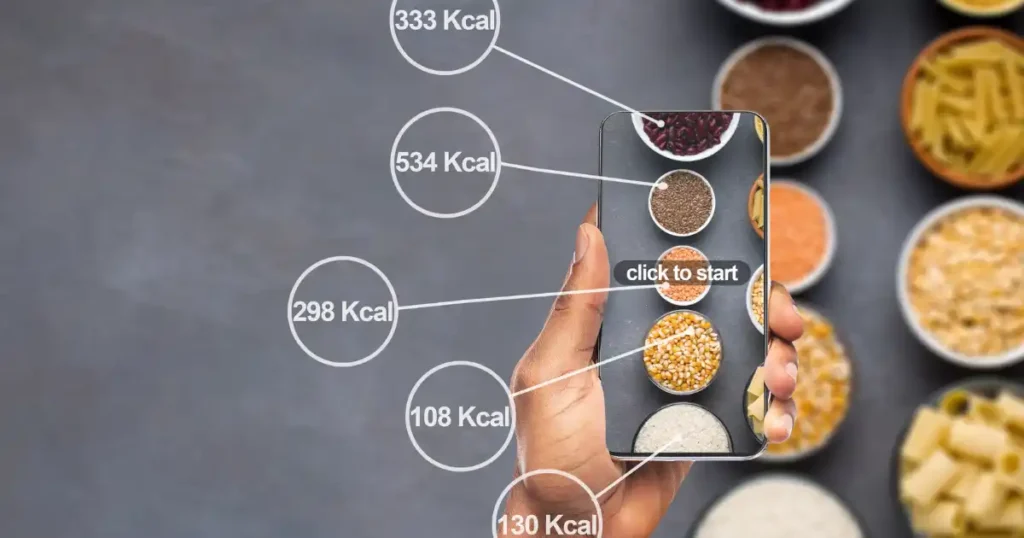
Counting every bite on an app can feel like a second job. Many people start strong, then burn out after a few weeks of logging every meal. Learning how to count calories without apps in real daily life changed everything for me personally. Living close to farming communities like those in Waimea, Hawaii taught me that people maintained healthy weights long before smartphones existed. This guide shares the real, practical strategies I use and teach every day.
Why Some People Stop Using Calorie Apps
Apps work well in the beginning. They give you data, structure, and a sense of control. But after a while, many people quietly stop using them.
Tracking Fatigue and Burnout
The notifications pile up. The logging never stops. After a few months, opening the app starts to feel like a chore.
Here is what I see happen most often:
- Constant logging creates mental exhaustion
- Food starts to feel like math instead of enjoyment
- People develop an obsessive relationship with numbers
- Any meal without a barcode becomes stressful
This is called tracking fatigue. It is real, and it is one of the top reasons people abandon structured nutrition plans. I have worked with dozens of people who said the app itself was making them anxious about eating. That is the opposite of what good nutrition should feel like.
Why Apps Feel Overwhelming in Real Life
Real life rarely fits neatly into an app. Think about these situations:
- A family dinner where grandma made her famous pasta recipe
- A restaurant meal where the chef added butter you did not see
- A holiday BBQ where you have no idea what went into the potato salad
- A quick lunch grabbed during a packed workday
Trying to log all of that accurately is genuinely frustrating. Most people either give up on accuracy entirely or give up on tracking altogether. Neither outcome helps long-term weight management.
The Emotional Side of Tracking
Numbers carry emotional weight. Seeing a high calorie count after a meal can trigger guilt. Missing a logging session can feel like failure. Many people fall into perfectionism, where they only feel in control when every number is recorded correctly.
This leads to anxiety around eating, fear of social meals, and sometimes disordered patterns around food. Sustainable habits should support your life, not control it. That is the core reason I shifted my own approach away from obsessive calorie counting apps years ago.
Can You Lose Weight Without Apps?
Yes, absolutely. The research consistently supports this. People who learn how to count calories without apps often do better long term than those who rely on technology. Portion awareness, consistent habits, and mindful eating patterns all support fat loss and weight maintenance without requiring you to log every gram.
After a long Wednesday workday, most people do not want to stand in the kitchen estimating whether grandma’s homemade curry contains 420 or 620 calories. And the good news is they do not have to. What matters more is building consistent awareness over time.
Do Calories Still Matter Without Tracking Apps?
This is the first question most people ask me. Yes, calories still matter. Energy balance is a biological reality, not an opinion. You just do not need an app to stay aware of it.
Calories In vs Calories Out Explained
Your body runs on energy from food. When you eat more energy than you burn, the excess gets stored. When you eat less than you burn, your body uses stored fat for fuel. This is the foundation of weight management.
Your Total Daily Energy Expenditure (TDEE) is the total number of calories your body uses each day. Knowing your rough TDEE gives you a useful baseline even without tracking every meal.
Why Awareness Matters More Than Perfection
Precision is overrated in everyday nutrition. Studies consistently show that people who track loosely but consistently do better long term than those who track perfectly but burn out. Being roughly right every day beats being exactly right three days per week.
Flexible eating built around good habits produces better real-world outcomes than rigid calorie math. This is not an excuse to ignore intake. It is a reminder that sustainable awareness beats obsessive precision every time.
Estimation vs Exact Numbers
You do not need exact numbers. You need reasonable ranges. A chicken breast is roughly 150 to 250 calories depending on size. A serving of rice is roughly 150 to 220 calories. Knowing those ballpark ranges is enough to make informed decisions at every meal.
Layne Norton, a respected researcher and natural bodybuilding champion, frequently points out that calorie accuracy matters far less than consistent awareness and long-term adherence. That insight has stuck with me ever since I first heard it.
Why Most People Naturally Misjudge Portions
Restaurant portions in the United States have grown dramatically over the past few decades. A single restaurant entree today can easily contain two to three times a standard serving size. Liquid calories from coffee drinks, juices, and sodas are frequently invisible to most people. Hidden fats and oils in cooking add up faster than most realize.
This is why building portion literacy is more valuable than downloading another app.
Learn Basic Portion Size Estimation
Portion awareness is one of the most practical skills I teach. Once you learn this, you carry it everywhere. No phone required.
Hand Portion Method Explained
Your hand is always with you and it scales to your body size. Here is how I use it:
- Palm: One serving of protein (chicken, fish, meat)
- Fist: One serving of vegetables or fruit
- Thumb: One serving of fat (peanut butter, olive oil, butter)
- Cupped hand: One serving of carbohydrates (rice, oats, pasta)
This method is not perfect. But it gives you a practical framework that works at home, at restaurants, and at social events without pulling out any tools.
Common Portion Size Comparisons
Visual anchors help your brain estimate portions quickly. These comparisons are ones I still use after years of studying nutrition:
- A deck of cards equals a standard protein serving
- A tennis ball equals one serving of fruit or starchy vegetables
- A baseball equals a generous serving of cooked pasta or rice
- A ping-pong ball equals roughly two tablespoons of nut butter
Most people underestimate calorie intake mainly because portion sizes have quietly become massive over the years, especially in restaurants and packaged snacks.
| Food Portion | Visual Comparison | Approx Calories |
|---|---|---|
| Chicken breast | Palm size | 150–250 |
| Rice serving | Cupped hand | 150–220 |
| Peanut butter | Thumb size | 90–120 |
| Cheese | Pair of dice | 80–120 |
Why Restaurant Portions Distort Reality
Most restaurant meals contain two to three times the standard portion. The bread basket arrives before your meal. Sauces and dressings add hundreds of invisible calories. Cooking oils used in preparation rarely show up in your mental math.
Eating out frequently without any portion awareness is one of the fastest ways to unintentionally overeat. You do not need to avoid restaurants. You need a realistic framework for navigating them.
Practicing Portion Awareness at Home
Spend two weeks actually measuring your most common foods. Weigh your rice. Measure your olive oil. Pour your cereal into a measuring cup. This is not meant to be permanent. It is calibration. Most people are genuinely shocked by what a standard serving actually looks like compared to what they normally pour.
After that two-week calibration, your eyes become much more reliable tools. The goal is education, not lifelong measuring.
Focus on High-Satiety Foods Instead of Exact Numbers
The type of food you eat influences how hungry you feel after eating it. Choosing foods that keep you full longer is one of the smartest ways to count calories without apps. You can also use a Daily Calorie Needs Calculator to understand your rough target, then structure meals around satiety foods.
High-Protein Foods That Improve Fullness
Protein is the most satiating macronutrient. It keeps hunger away longer than carbohydrates or fats. I prioritize protein at every single meal.
Best high-protein options to build meals around:
- Eggs (versatile, affordable, easy)
- Chicken breast and thighs
- Fish and seafood
- Greek yogurt
- Cottage cheese
- Lean beef
When protein is high, hunger naturally decreases. You tend to eat less overall without consciously restricting anything.
Fiber-Rich Foods That Reduce Hunger
Fiber slows digestion and feeds gut bacteria. Both effects help with hunger control and overall metabolic health. Most Americans eat far less fiber than recommended.
Foods that pack the most fiber per serving:
- Oats and whole grains
- Beans and lentils
- Broccoli, carrots, and leafy greens
- Apples, pears, and berries
- Split peas and chickpeas
Pairing fiber with protein creates meals that keep hunger away for hours without needing to obsess over calorie numbers.
Healthy Fats and Meal Satisfaction
Fat slows gastric emptying and contributes to meal satisfaction. A low-fat meal often leaves people wanting more within an hour. Including moderate amounts of healthy fat helps you stay content between meals.
Good fat sources to include regularly:
- Nuts and nut butters
- Avocados
- Olive oil (in measured amounts)
- Salmon and fatty fish
- Eggs
Ultra-Processed Foods and Overeating
Ultra-processed foods are engineered to override your natural fullness signals. Chips, packaged cookies, fast food items, and sugary drinks contain combinations of salt, fat, and sugar that make it very easy to eat far past your needs.
A family-size bag of chips has a magical ability to disappear faster than anyone planned, especially during late-night Netflix sessions. Limiting these foods is one of the highest-leverage moves you can make without tracking a single calorie.
Build Meals Using Simple Plate Methods
Meal structure removes a lot of decision fatigue. Many successful long-term maintainers eat fairly similar weekday meals while staying flexible socially.
The Balanced Plate Method
This is probably the simplest meal structure that consistently works. Fill your plate like this:
- Half the plate: Non-starchy vegetables (broccoli, salad, peppers, zucchini)
- Quarter of the plate: Lean protein (chicken, fish, eggs, legumes)
- Quarter of the plate: Whole food carbohydrates (rice, potatoes, oats, bread)
This natural framework produces a calorie range that supports healthy weight management for most people without any math.
Protein-First Meal Strategy
Starting every meal with protein is a behavioral strategy that consistently works. Eating your chicken or fish before diving into the bread or pasta means you consume more of the filling food first. By the time you reach the more calorie-dense items, you are already partly satisfied.
Benefits include better fullness, less snacking between meals, and improved muscle maintenance over time. It is a simple shift that makes a real difference.
Managing Calories Through Food Volume
Volume eating is about choosing foods that take up more physical space in your stomach per calorie. A large salad might contain 200 calories. The same volume of chips might contain 800 calories. Choosing high-volume, low-calorie-density foods lets you eat satisfying amounts while managing intake naturally.
| Plate Section | Food Examples | Main Benefit |
|---|---|---|
| Protein | Chicken, fish, eggs | Fullness and muscle support |
| Vegetables | Broccoli, salad, carrots | High volume, lower calories |
| Carbs | Rice, potatoes, oats | Energy and performance |
| Healthy fats | Avocado, nuts, olive oil | Satisfaction and hormones |
Flexible Meal Planning Without Apps
Repeating the same simple meals during the week significantly reduces how much mental energy food requires. Most of my clients eat three to four different breakfasts, three to four lunches, and rotate five or six dinners. This simplicity makes portion awareness much easier and reduces the temptation to overeat from novelty.
Use Hunger and Fullness Signals Properly
Your body sends clear signals about hunger and fullness. Most of us have just learned to ignore them.
Physical Hunger vs Emotional Hunger
Physical hunger builds slowly. It shows up as a growling stomach, low energy, or difficulty concentrating. Emotional hunger comes on fast. It is triggered by stress, boredom, sadness, or habit.
Learning to pause before eating and ask yourself which type of hunger you are feeling is one of the most powerful skills in eating without apps. Stress eating and boredom eating account for a significant portion of excess calorie intake for many people.
How Fast Eating Leads to Overeating
Fullness signals from your gut take about 15 to 20 minutes to reach your brain. If you eat quickly, you consume far more than you need before your brain registers that you are satisfied. Slowing down meals by just a few minutes produces meaningful reductions in how much you eat.
Hunger Scale Awareness
Rate your hunger on a simple scale of one to ten before and during meals. One is starving. Ten is uncomfortably full. The goal is to start eating around a three and stop around a seven. Eating before you reach extreme hunger prevents overeating. Stopping before full discomfort keeps intake where it should be.
Why Distractions Increase Calorie Intake
Many people barely remember tasting lunch because they ate while answering emails and scrolling social media at the same time. Distracted eating consistently leads to higher calorie intake because your brain does not register the meal properly. Try eating at least one meal per day without your phone or screens nearby. The difference in how full you feel is often noticeable from the very first day.
How to Estimate Calories at Restaurants
Restaurant meals are one of the biggest challenges when you are tracking loosely. They do not have to be. With the right framework, you can make smart choices anywhere.
Why Restaurant Calories Are Often Higher
Restaurant food is designed to taste exceptional. That often means more butter, more oil, more sauce, and larger portions than you would use at home. A dish that seems light can contain double the calories of a homemade equivalent.
Oils in stir-fries, butter on grilled fish, and dressings on salads are the three most common hidden calorie sources I see people overlook when eating out.
Best Restaurant Ordering Strategies
These are the ordering habits I use personally when eating out:
- Start with a protein-focused main dish
- Ask for sauces and dressings on the side
- Choose steamed, grilled, or roasted over fried
- Order a salad or vegetables as a side instead of fries
- Drink water rather than soda or juice
These choices alone can reduce a restaurant meal’s calorie content by 30 to 50 percent without feeling deprived.
Portion Control at Restaurants
Restaurant portions are typically large enough for two people. Consider sharing a meal, eating half and boxing the rest before you start, or choosing a starter portion as your main. Eating slowly gives your fullness signals time to catch up before you automatically finish everything on the plate.
Fast Food Calorie Awareness Without Apps
A casual restaurant salad in Los Angeles can easily contain more calories than a burger because of dressings, cheese, nuts, and hidden oils. Fast food menus now include nutritional information. You can make quick decisions without an app by sticking to basic principles: choose grilled over fried, skip sugary drinks, and avoid double portions of anything.
Common Foods People Underestimate
Certain foods consistently create calorie surprises even for experienced, health-conscious eaters.
Oils and Dressings
One tablespoon of olive oil contains about 120 calories. Most people pour three or four tablespoons without thinking about it. Ranch dressing, butter on toast, and cooking oils are invisible calorie sources that add up to several hundred extra calories daily for many people.
Measuring your oils for just a few weeks permanently changes how you pour them. Your eyes recalibrate quickly.
Nuts and Nut Butters
Nuts are nutritious. They are also one of the easiest foods to overeat. A handful of almonds seems small. It is often 200 to 300 calories. A couple of tablespoons of peanut butter from the jar while making a sandwich can quietly become five or six tablespoons.
Use a spoon and measure your nut butter when you are at home. In a few weeks, your eye for a proper serving becomes reliable.
Smoothies and Coffee Drinks
A large blended coffee drink from a popular chain can contain 400 to 600 calories. A fruit smoothie made with juice, banana, protein powder, and nut butter can easily reach 700 calories. These liquid calories do not trigger fullness the same way solid food does, so they are easy to consume on top of regular meals.
“Healthy” Snacks That Add Up Quickly
Many foods marketed as healthy can still contain large amounts of calories. Awareness matters more than labels.
| Food | Small Serving Calories | Easy Overeating Risk |
|---|---|---|
| Peanut butter | 100 | Very high |
| Granola | 200 | High |
| Olive oil | 120 | High |
| Trail mix | 300 | Very high |
Granola, trail mix, protein bars, and dried fruit are four foods I always discuss with anyone trying to improve their diet. They seem healthy, and they are in moderate amounts. But their calorie density makes them easy to overconsume.
Best Habits for Counting Calories Without Apps
Long-term success comes from building repeatable habits rather than chasing perfect math. This is what the research shows and what I have observed with every client I have worked with. Most people who master how to count calories without apps in real daily life rely on these core habits more than any tool or formula.
Eating Similar Breakfasts and Lunches
Routine removes the mental burden of food decisions. When you eat a similar breakfast each weekday, you stop having to think about it. You already know roughly how many calories it contains. You already know it keeps you full until lunch. Simplicity is underrated in nutrition.
Meal Prepping for Awareness
Batch cooking once or twice per week creates portion consistency. When your meals are already prepared, you are far less likely to make impulsive choices based on convenience or hunger. Meal prep does not need to be elaborate. Cooking a large batch of rice, a few pounds of chicken, and chopping some vegetables takes about an hour and sets you up for days of easy, portion-controlled eating. Use the Macronutrient Requirement Calculator to understand how to balance your prepped meals.
Using Smaller Plates and Bowls
Research in behavioral nutrition consistently shows that people eat less when using smaller dishes. The brain interprets a full plate as a satisfying portion regardless of the plate’s size. This is not a trick. It is applied psychology. Switching from a 12-inch dinner plate to a 9-inch plate can reduce meal portions by 20 to 30 percent without any conscious restriction.
Planning Snacks Instead of Grazing
Unplanned grazing is one of the most consistent sources of excess calorie intake I see. People eat a handful of this, a few bites of that, and some crackers while standing in the kitchen. None of it feels like eating. All of it adds up. Plan your snacks the same way you plan your meals. Two snacks, defined and portioned, beats endless grazing every time.
Grocery Shopping With Intention
Walking through the grocery store hungry is basically a financial and nutritional adventure nobody fully controls. Shop with a list. Eat before you go. Fill your cart with protein sources, vegetables, whole grains, and limited processed snacks. The food environment you create at home is one of the most powerful determinants of your eating habits. If chips are not in the house, you cannot eat chips at 11 pm.
Exercise and Calorie Awareness Without Apps
Physical activity supports weight management in ways that go far beyond just burning extra calories.
Why Exercise Supports Weight Management
Regular exercise improves insulin sensitivity, supports lean muscle mass, and helps regulate appetite hormones. These effects support calorie balance even when you are not tracking precisely. Exercise also improves mood, which directly reduces emotional eating. Understanding your Basal Metabolic Rate (BMR) helps you appreciate how much of your daily calorie burn comes from simply existing, and why building muscle matters so much.
Walking and Daily Movement
Daily walking is one of the most underrated tools in weight management. Ten thousand steps burns roughly 300 to 500 additional calories per day for most people. That is a meaningful contribution without any intense training. Use a basic step counter on your phone, or commit to daily walks of a set duration rather than tracking exact calorie burn.
Strength Training and Hunger Regulation
Resistance training builds lean muscle mass. Muscle tissue requires more energy to maintain than fat tissue. Over time, more muscle means a higher resting metabolic rate. Strength training also positively influences hunger-regulating hormones, making it easier to stick to reasonable portion sizes without feeling deprived. Check the Muscle Mass Gain Calculator to understand how training and nutrition interact for body composition goals.
Avoiding the “I Earned This” Trap
Kevin Hall, a prominent researcher at the National Institutes of Health, has published work showing how people frequently overestimate exercise calorie burn while simultaneously underestimating food intake. This double error leads to unintentional eating back of any calorie deficit created through exercise. A 45-minute run does not justify a large milkshake on the way home. Keeping perspective on what exercise actually burns prevents this common trap.
Best Tools for Counting Calories Without Apps
You do not need calorie tracking apps to manage intake well. Knowing how to count calories without apps comes down to a few simple tools and skills that anyone can learn. A few basic items can genuinely support your awareness during the learning phase.
Food Scales for Temporary Learning
A basic food scale costs about ten dollars and provides enormous value during your first few weeks of building portion awareness. Weigh your common foods. See what 100 grams of rice actually looks like on your plate. See what a proper portion of salmon is. Then, after a few weeks, your eyes take over and the scale becomes unnecessary for daily use.
Measuring Cups and Spoons
Measuring cups are especially useful for calorie-dense foods. Rice, oats, nut butters, and oils are all foods where the difference between a serving and what most people actually use is dramatic. Keep measuring cups accessible in the kitchen. Use them casually while cooking rather than treating it as formal tracking.
Printable Portion Guides
A printed visual reference on your fridge or inside a cabinet door keeps portion sizes top of mind without requiring any technology. Many of these guides are freely available online and serve as a useful daily reminder of what standard serving sizes actually look like.
Simple Food Journals Without Numbers
A written food journal that records what you ate and how you felt, without recording any calorie numbers, builds tremendous self-awareness. You start to notice patterns. Also, you see which meals left you satisfied for hours. You recognize which situations trigger overeating. This kind of awareness guides better decisions without any mathematical tracking at all.
Sample Day of Counting Calories Without Apps
The goal is not mathematical perfection. The goal is building enough awareness to make consistent choices without constantly relying on apps.
| Meal | Portion Method | Estimated Calories |
|---|---|---|
| Breakfast | Palm protein + cupped oats | 400–500 |
| Lunch | Balanced plate method | 600–700 |
| Snack | Hand-sized portion | 150–250 |
| Dinner | Protein + vegetables + carbs | 700–850 |
Breakfast
Two eggs scrambled plus one cup of oats with berries and a black coffee. Simple, high-protein, high-fiber. This breakfast keeps me full for four to five hours consistently.
Mid-Morning Snack
A small Greek yogurt with an apple. Quick, portable, and high in protein. This prevents extreme hunger before lunch, which is the biggest cause of overeating at midday.
Lunch
A chicken rice bowl with roasted vegetables and a drizzle of olive oil. Using the balanced plate method naturally creates a satisfying meal in a reasonable calorie range without any counting. You can also use the Daily Protein Intake Calculator to check if your daily protein is on track.
Afternoon Routine
Drink a large glass of water around 3 pm. Take a short walk if possible. Thirst and mild fatigue are often mistaken for hunger at this time of day. Hydration and a brief movement break reduce unnecessary snacking more than most people expect.
Dinner
Salmon with roasted potatoes and a large salad. Half the plate is salad. A quarter is salmon. A quarter is potatoes. This is the balanced plate method in action. No logging, no math, no stress.
Evening Snack
Air-popped popcorn, a small piece of dark chocolate, and herbal tea. Popcorn has high volume and low calorie density. A small serving satisfies a crunchy craving without much caloric impact. The tea signals the end of the eating window for the day.
Conclusion
Learning how to count calories without apps in real daily life is genuinely achievable for most people. Portion awareness, balanced meal structure, hunger signal recognition, and protein-focused eating all work together to support weight management without obsessive tracking. The goal was never perfection. It was always consistent, sustainable awareness. Whether you are prepping meals on a Sunday afternoon, navigating a work lunch, or facing an oversized restaurant plate on the weekend, these strategies give you real tools that travel with you everywhere.
Start with one or two changes. Learn the hand portion method. Try the balanced plate for a week. Pay attention to hunger signals. Each skill compounds over time, and within a few months, smart calorie awareness becomes automatic. You can also start by knowing your baseline using the Maintenance Calorie Calculator to understand your energy needs before adjusting your intake.
Final Recommendation
After years of working with real people trying to manage their weight without the stress of obsessive tracking, my clearest recommendation is this: start with your baseline. Use the Maintenance Calorie Calculator to understand roughly how many calories your body needs each day. Then build your meals around protein, vegetables, and reasonable portions of carbohydrates, using the hand method and balanced plate as your daily guide. Add a Calorie Deficit Calculator for Weight Loss into your routine if fat loss is your goal, so you understand how large a deficit is reasonable. For anyone curious about body composition alongside calorie awareness, the Body Fat Percentage Calculator adds helpful context. Learning how to count calories without apps in real daily life is not about perfection. It is about building enough awareness to make good decisions consistently, day after day, in real life situations. That consistency is what produces lasting results.
Ditch the Screen: How to Count Calories Without Apps
You do not need a phone to stay on track with your food goals. Learn how to count calories without apps in real daily life using simple, hands-on tricks.
Use your hand to check your food sizes. Your palm is for protein, and your fist is for greens. This is how to count calories without apps in real daily life.
Yes, write down what you eat on a notepad. You can use food labels to note the numbers by hand. It makes how to count calories without apps in real daily life simple.
Look for standard plate sizes at the diner. Fill half your plate with veggies and a quarter with lean meat. Learn how to count calories without apps in real daily life.
It divides your food into clear zones without a screen. You can see your fuel mix right in front of you. Try this how to count calories without apps in real daily life.
Yes, it takes just a few days to learn your regular portion sizes by sight. You will feel free and fit. Master how to count calories without apps in real daily life.

Dr. Selim Yusuf, MD, PhD
Founder & Chief Medical Editor, Maintenance Calorie Calculator Expertise: Clinical Nutrition, Metabolic Health, and Exercise Physiology
Experience: 15+ Years of Practical & Clinical Experience
Dr. Selim Yusuf is a licensed physician, clinical research scientist, and dedicated metabolic health expert with over 15 years of practical experience diagnosing, managing, and treating health and nutritional issues. As the founder and chief medical editor of Maintenance Calorie Calculator, Dr. Yusuf combines a rigorous academic background with years of frontline clinical experience to provide evidence-based, highly accessible nutritional tools for the public.
Dr. Yusuf earned his Doctor of Medicine (MD) from the Johns Hopkins University School of Medicine, where he graduated with honors and developed a deep interest in preventive medicine and metabolic health disorders. Following his medical residency, he pursued advanced academic research, earning a PhD in Nutritional Sciences and Metabolism from Harvard University.
His academic and clinical training uniquely bridges the gap between complex biochemical pathways (how the human body extracts energy from food) and practical, everyday clinical care. Over the course of his 15-year career, he has authored multiple peer-reviewed research papers focusing on the management of obesity, metabolic adaptation during prolonged calorie restriction, and macronutrient optimization for lean mass preservation.
Before transitioning his focus to digital health utility platforms, Dr. Yusuf served as an administrative lead and consulting metabolic specialist within top-tier university medical centers. Beyond his institutional roles, he has worked extensively as an elite evidence-based fitness and metabolic coach, guiding hundreds of individuals, ranging from sedentary desk workers battling chronic metabolic slowdowns to competitive athletes looking to optimize body composition.
Throughout his 15 years of practice, Dr. Yusuf noticed a recurring barrier to sustainable patient success: the mathematical confusion surrounding daily nutrition. He observed that most individuals fail to reach their physical goals not from a lack of effort, but because they lack a precise biological baseline.