
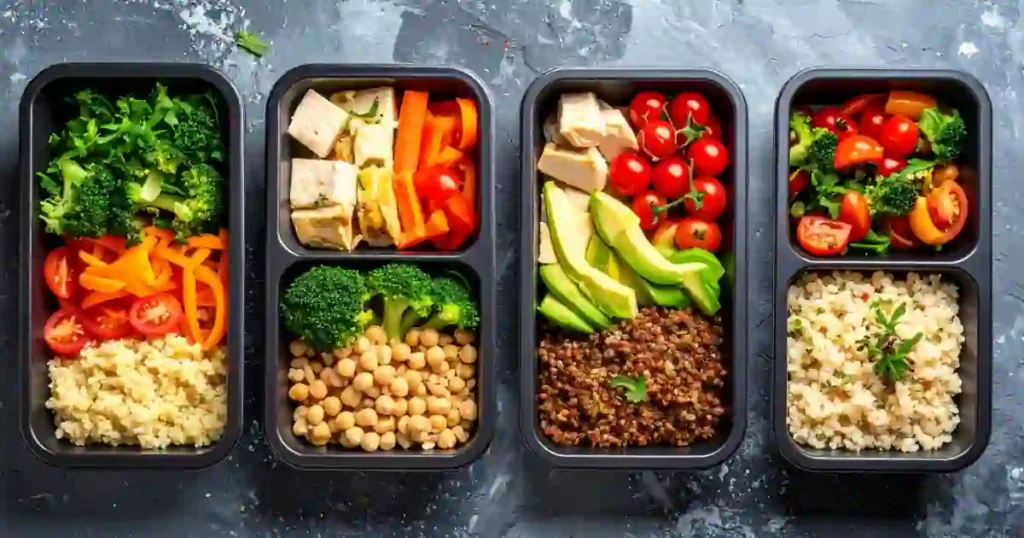
Tracking macros changed everything for me. Not because it was magic, but because it finally gave me a clear picture of why my fat loss kept stalling. Like most people, I had been focused entirely on eating less without thinking about how I was splitting my calories. Once I started paying attention to protein, carbs, and fats separately, my energy improved, my hunger became manageable, and the scale started moving again. If you have been searching for the best macros for fat loss that actually work long term, this guide covers the science, the practical numbers, and the real-world strategy that holds up on a normal Tuesday, not just a perfect diet day. Back in my early nutrition days in Waimea, Hawaii, I learned that consistency with the right macro split almost always beats an extreme diet plan that falls apart by week three.
What Are Macros and Why Do They Matter for Fat Loss?
Macros are the three main nutrients your body needs daily. Every food contains a mix of them.
The Three Main Macronutrients Explained
Understanding each macronutrient separately makes the whole system click faster.
Protein helps preserve lean muscle mass during a calorie deficit. It also triggers the strongest satiety signals of all three macronutrients, meaning it keeps you fuller for longer after meals. This matters enormously when hunger becomes the biggest obstacle to staying consistent.
Carbohydrates fuel your workouts, support brain function, and replenish muscle glycogen after training. They are not the enemy of fat loss. The type and amount relative to your activity level is what matters.
Fats support hormone production, including testosterone and estrogen. They slow digestion and increase meal satisfaction. Cutting fat too aggressively disrupts hormonal balance and tends to make every meal feel incomplete.
How Macros Affect Weight Loss
Calories determine whether you lose weight overall. Macros determine the quality of that weight loss.
A calorie deficit built mostly on refined carbohydrates and low protein produces weight loss that includes a high proportion of muscle. The same deficit built on high protein and balanced carbs and fats tends to produce mostly fat loss with muscle preserved.
Protein also raises the thermic effect of food. Your body burns roughly 20 to 30 percent of protein calories just to digest them. Carbs cost about 5 to 10 percent. Fats cost 0 to 3 percent. This gives high-protein diets a modest but real metabolic advantage over low-protein ones at identical calorie levels.
For a deeper look at how your body burns calories through digestion, the article on Thermic Effect of Food: How Meals Naturally Burn Calories explains this concept in practical detail.
Calories vs Macros for Fat Loss
Calories still matter most. You cannot out-macro a calorie surplus. If you eat more than you burn, you gain weight regardless of how perfectly your macros are split.
The distinction between weight loss and fat loss is where macros become critical. Weight loss is a reduction in total body mass. Fat loss is a reduction in body fat while lean muscle is maintained or gained. Most people want fat loss, not just weight loss. Macro balance is the primary dietary lever for achieving that distinction. Understanding this is the foundation of any approach to macros for fat loss that produces lasting results.
Why Macro Tracking Became Popular in the USA
Flexible dieting, also called IIFYM or If It Fits Your Macros, became popular in the United States because it removed the guilt and restriction of traditional dieting. Apps like MyFitnessPal, Cronometer, and MacroFactor made tracking accessible without needing a nutrition degree.
Gym culture, body recomposition goals, and social media fitness content accelerated the trend. The core appeal is real: you can eat tacos, pizza, or backyard burgers and still hit fat loss goals, as long as the daily numbers add up.
Best Macro Ratio for Fat Loss According to Experts
The ideal macro split depends on activity level, body composition, age, and dieting history. Evidence-based starting ranges work well for most people.
The Most Effective Starting Macro Split
Many registered dietitians in the United States recommend moderate macro ranges first. Extreme low-carb or ultra-low-fat approaches are harder to maintain long term. Consistency beats perfection every time.
| Macro | Recommended Range | Why It Works |
|---|---|---|
| Protein | 30 to 40% | Preserves muscle and controls hunger |
| Carbohydrates | 30 to 40% | Fuels workouts and daily energy |
| Fats | 20 to 30% | Supports hormones and fullness |
These ranges are starting points, not fixed rules. Active individuals generally need more carbohydrates. Sedentary individuals may do better with slightly lower carbs and slightly higher protein.
High-Protein Macros for Faster Fat Loss
Protein is the most important macro for fat loss, and most people searching for the best macros for fat loss that actually work long term are consistently under-eating it. Research consistently shows that higher protein intakes during a calorie deficit preserve lean muscle mass far better than lower protein intakes at the same calorie level.
The practical target for most people is 0.7 to 1.0 grams of protein per pound of body weight daily. At 160 pounds, that means 112 to 160 grams of protein per day. At 200 pounds, the range shifts to 140 to 200 grams.
Dr. Layne Norton, exercise scientist and nutrition researcher, has consistently noted that high-protein diets help preserve lean mass during fat loss phases. His research and coaching experience both point to protein as the most defensible dietary priority during any fat-cutting period.
Higher protein intake reduces appetite, improves workout recovery, and makes the calorie deficit feel less miserable by keeping hunger more manageable throughout the day.
Best Macro Split for Men
Men generally carry more muscle mass and have higher baseline calorie needs than women. This means their total macros are larger in absolute grams, even if the percentage splits look similar.
For men focused on fat loss while maintaining muscle:
- Protein stays high at 0.8 to 1.0 grams per pound of body weight
- Carbohydrate intake scales with training volume and intensity
- Fat intake stays moderate at 20 to 30 percent of total calories
- Training recovery support becomes especially important during a deficit
Men who strength train four or more times per week often benefit from keeping carbohydrates at the higher end of the range to fuel performance and recovery.
Best Macro Split for Women
Women face unique considerations around hormonal health, hunger patterns, and energy availability. Cutting fat too aggressively disrupts estrogen production and can affect mood, sleep, and menstrual regularity.
For women prioritizing fat loss:
- Protein targets remain the same per pound of body weight as for men
- Healthy fat intake should not drop below roughly 40 to 50 grams per day to support hormonal function
- Carbohydrate needs vary more by training intensity and cycle phase
- Hunger management is often more critical, making protein and fiber the two most important dietary tools
Women who have tried very low-fat or very low-carb approaches without success often respond better to a balanced macro split that keeps all three macronutrients at moderate levels.
Macro Ratios for Sedentary vs Active People
Your daily activity level changes your carbohydrate needs more than it changes your protein or fat needs.
Your job matters more than many people realize. A warehouse worker in Chicago needs very different carbohydrate intake compared to someone sitting in an office all day in Atlanta. Daily movement and energy expenditure determine how much carbohydrate the body can efficiently use.
| Lifestyle | Protein | Carbs | Fat |
|---|---|---|---|
| Sedentary | Higher proportion | Lower | Moderate |
| Moderately Active | High | Moderate to High | Moderate |
| Athlete or Highly Active | High | High | Moderate to Low |
Activity-matched macros improve both fat loss results and daily energy. Eating too few carbohydrates relative to training volume leads to poor performance, slow recovery, and often, eventually, abandonment of the plan.
How to Calculate Your Macros for Fat Loss
Macro calculation sounds technical at first. Once you work through it once, it becomes a quick process.
Step 1 — Calculate Maintenance Calories
Before setting macros, you need a calorie target. That starts with knowing your Total Daily Energy Expenditure, or TDEE. TDEE is the number of calories your body burns across an entire day including basic functions, digestion, and physical activity.
A safe and sustainable fat loss pace is a calorie deficit of 300 to 500 calories below your TDEE. This produces roughly 0.5 to 1 pound of fat loss per week without triggering significant metabolic adaptation or muscle loss.
Start by using a Maintenance Calorie Calculator to get your accurate TDEE baseline. From there, your deficit target becomes a straightforward subtraction.
Step 2 — Set Protein Intake First
Protein gets set first because it protects muscle and drives the most important outcomes of a fat loss phase.
Use 0.7 to 1.0 grams of protein per pound of current body weight as your starting target. Each gram of protein contains 4 calories.
At 150 pounds targeting 0.8 grams per pound: 120 grams of protein, or 480 calories from protein. At 180 pounds targeting 0.8 grams per pound: 144 grams of protein, or 576 calories from protein.
Set this number and do not compromise on it. Protein is the non-negotiable anchor of any fat loss macro plan.
Step 3 — Determine Fat Intake
After protein is set, determine your fat intake. Fat provides 9 calories per gram and should not drop below a minimum that supports hormonal health.
A practical minimum for most people is 0.35 to 0.45 grams of fat per pound of body weight daily. For a 150-pound person, that means roughly 52 to 67 grams of fat per day, or 470 to 600 calories from fat.
Keeping fat at or above this floor protects hormone production, improves meal satisfaction, and makes the overall diet sustainable. Cutting fat below this level tends to create cravings, hormonal disruption, and general misery.
Step 4 — Fill Remaining Calories With Carbs
After protein and fat are set, carbohydrates fill the remaining calorie budget. Each gram of carbohydrate contains 4 calories.
Total Calories minus Protein Calories minus Fat Calories equals Carbohydrate Calories. Divide by 4 to get grams.
Carbohydrates support workout performance, muscle glycogen replenishment, and brain function. Prioritize fiber-rich carbohydrates from vegetables, whole grains, and legumes. These improve satiety and support gut health alongside the energy they provide.
Example Macro Calculation for Fat Loss
This is where macros start looking real instead of abstract math. These examples help make a practical setup visible.
| Person | Daily Calories | Protein | Carbohydrates | Fat |
|---|---|---|---|---|
| Female Example (150 lbs) | 1,700 | 140g | 150g | 50g |
| Male Example (185 lbs) | 2,200 | 180g | 210g | 65g |
These are starting points. Adjust based on results over two to four weeks. If fat loss stalls, reduce carbohydrates modestly. If energy crashes, add carbohydrates back on training days.
Best Foods for Hitting Fat Loss Macros
The best macro plan fails quickly if the food choices feel boring, expensive, or impossible to prepare after a long workday.
Best High-Protein Foods
These are the workhorses of a fat loss diet:
- Chicken breast and turkey breast
- Eggs and egg whites
- Greek yogurt and cottage cheese
- Canned tuna, salmon, and sardines
- Lean ground beef and sirloin
- Tofu, tempeh, and edamame
- Whey, casein, or plant-based protein powder
Spreading protein across three to four meals per day supports muscle protein synthesis more effectively than loading it all into one sitting.
Best Healthy Carb Sources
These carbohydrate sources provide energy alongside fiber, vitamins, and minerals:
- Oats and overnight oats
- White and brown rice
- Sweet and regular potatoes
- Whole grain bread and wraps
- Fresh and frozen fruit
- Beans, lentils, and chickpeas
- Quinoa and farro
Choosing high-fiber versions of these carbohydrates improves satiety, slows digestion, and supports stable blood sugar throughout the day.
Healthy Fats That Improve Satiety
These fat sources add flavor, satisfaction, and hormonal support:
- Avocado and guacamole
- Almonds, walnuts, and cashews
- Olive oil for cooking and dressings
- Salmon, mackerel, and sardines
- Natural peanut butter and almond butter
- Full-fat Greek yogurt in moderation
A small portion of healthy fat at each meal reliably reduces the urge to keep eating after the meal ends.
Foods That Make Macro Tracking Easier
These practical choices simplify meal prep and tracking:
- Pre-portioned snack packs of nuts or jerky
- Frozen vegetables that need no prep
- Pre-cooked rotisserie chicken
- Meal prep bowls built on Sunday for the week
- Low-calorie sauces and seasonings that add flavor without significant calories
Simple, repeatable meals reduce decision fatigue and make sticking to macros on hectic days far more achievable.
Budget-Friendly Macro Foods in the USA
Inflation changed grocery shopping for many American families. Good macro foods do not need Whole Foods prices every week.
| Budget Protein | Cheap Carb Source | Affordable Fat |
|---|---|---|
| Eggs | White or brown rice | Natural peanut butter |
| Canned tuna | Russet potatoes | Olive oil |
| Greek yogurt | Rolled oats | Mixed nuts in bulk |
| Cottage cheese | Dried beans and lentils | Canned sardines |
A week of solid macro eating can be built on eggs, oats, canned tuna, rice, and frozen vegetables without exceeding a tight grocery budget.
Best Macro Strategies for Different Fat Loss Goals
Not everyone wants the same result. Some want visible abs. Others just want jeans to fit again without feeling winded on the stairs.
Macros for Belly Fat Loss
There is no macro split that targets belly fat specifically. Spot reduction is a myth. Abdominal fat responds to overall fat loss driven by a sustained calorie deficit.
Hormonal factors like chronically elevated cortisol from stress and poor sleep drive abdominal fat storage more than dietary fat does. Managing stress and prioritizing sleep supports fat loss in the midsection as effectively as any dietary change. Higher protein intake reduces overall hunger, making the calorie deficit easier to maintain over the weeks and months that drive real results.
Macros for Muscle Gain While Losing Fat
Body recomposition, losing fat while gaining muscle simultaneously, is possible but requires patience. It works best for beginners, people returning after a break, or those significantly above their natural muscle ceiling.
The approach requires:
- Protein at or above 1.0 gram per pound of body weight
- A very small calorie deficit of 100 to 200 calories, or maintenance calories on training days
- Consistent progressive resistance training three to four times per week
- Adequate sleep for muscle repair and recovery
Body recomposition is slower than either pure fat loss or pure muscle gain, but the end result — less fat and more muscle — changes body composition more dramatically than the scale alone shows.
Low-Carb vs Balanced Macros
Low-carb and ketogenic diets produce real fat loss for many people. The mechanism is primarily calorie reduction through food restriction and appetite suppression, not any metabolic magic from eliminating carbohydrates.
The honest comparison:
- Low-carb or keto: Works well for people with poor appetite control on carbohydrates. Reduces cravings for some individuals. Often difficult to sustain through social events, travel, and active periods.
- Balanced macros: More flexible, easier to maintain through real life, better suited for people who train hard and need carbohydrate fuel.
Both approaches can produce the best macros for fat loss outcomes. The one you actually maintain for months wins.
Macros for People Over 40
After 40, muscle loss accelerates, metabolism slows gradually, and recovery takes longer. The macro strategy shifts accordingly.
Protein becomes the highest priority. Older adults benefit from slightly higher protein intakes at 1.0 grams per pound of body weight or above to compensate for reduced muscle protein synthesis efficiency. Strength training alongside this protein intake is essential.
Carbohydrates should be matched carefully to actual activity, not aspirational activity. Many people in their 40s overestimate their carbohydrate needs because they remember their more active younger years.
The article on Best Calorie Intake for Women Over 40 covers the specific hormonal and metabolic adjustments that make macro planning different in this stage of life.
Macros for Busy Professionals
Real fat loss happens in real life, not in ideal lab conditions. Busy schedules, work travel, client dinners, and long commutes make rigid macro tracking difficult.
Practical strategies that hold up:
- Build a roster of five to seven simple high-protein meals you can rotate without thinking
- At restaurants, order protein first and ask for sauces on the side
- Keep protein bars, Greek yogurt, and almonds accessible at the office
- Plan for the fact that Friday night often arrives with wings, fries, and “I’ll restart Monday” energy. One flexible higher-calorie meal per week does not derail progress if the rest of the week is consistent.
Weekly calorie averages matter more than daily perfection. A slightly higher Friday does not cancel a disciplined Tuesday through Thursday.
Common Macro Mistakes That Slow Fat Loss
Even solid macro plans can fail because of habits most people never notice.
Eating Too Little Protein
Under-eating protein is the most common and most costly macro mistake. When protein is too low during a deficit, the body breaks down muscle for fuel. Losing muscle slows resting metabolic rate, making future fat loss progressively harder. Hunger becomes harder to manage. Workout performance declines.
Hit your protein target every single day. Treat it as non-negotiable.
Ignoring Calories Completely
Some people focus so heavily on macro percentages that they forget total calories still matter. Eating 40 percent protein means nothing if total intake is above maintenance. Healthy foods still contain calories. Almonds, avocado, whole grain bread, and salmon are nutritious and still calorie-dense.
Portion awareness alongside macro tracking keeps both variables in check.
Obsessing Over Perfect Macro Numbers
Missing your fat intake by 8 grams on a Tuesday does not require a crisis response. Daily averages matter, not daily perfection. Being within 10 percent of your macro targets on any given day is functionally identical to hitting them exactly.
Flexibility keeps the plan sustainable across months and years, which is where results actually accumulate.
Drinking Calories Without Tracking Them
Liquid calories are one of the most common hidden sources of calorie surplus in American diets. A medium caramel latte adds 250 calories. A glass of orange juice adds 110. Two beers add 300. A post-workout sports drink adds 150.
These additions do not feel like eating, so they often go completely untracked. For a practical audit of your daily food and drink intake, the guide on Calorie Tracking: How to Audit Your Daily Food Intake is a useful starting point.
Not Measuring Food Correctly
Eyeballing portions is wildly inaccurate for most people. Studies consistently show that people underestimate their food intake by 20 to 40 percent when estimating visually.
A digital kitchen scale costs under $15 and transforms the accuracy of macro tracking. Restaurant portions are almost always larger than listed. Hidden oils and sauces in restaurant meals add significant calories that are invisible without measuring.
Using a scale for dense calorie foods like nuts, oils, cheese, and grains catches the most impactful estimation errors quickly.
Best Apps and Tools for Tracking Macros
Technology makes tracking far easier now than it was even ten years ago.
Best Macro Tracking Apps
These are the most widely used and reliably accurate macro tracking tools:
- MyFitnessPal: The largest food database. Easy barcode scanning. Free version covers the basics well.
- Cronometer: Better for micronutrient tracking alongside macros. Slightly more accurate food data.
- Lose It!: Clean interface, good for beginners who find MyFitnessPal overwhelming.
- MacroFactor: Adjusts calorie targets automatically based on real weight data over time. More advanced but highly effective.
Any of these tools works well. The best app is the one you actually open every day.
Food Scales and Meal Prep Tools
A digital kitchen scale is the single most impactful tool for accurate macro tracking. Beyond the scale, useful tools include:
- Portion containers with labeled compartments for meal prep
- Insulated meal prep bags for work lunches
- Glass containers that stack efficiently in a refrigerator
Meal prepping two to three days of lunches and snacks on Sunday removes the daily decision burden that leads to impulsive off-plan eating.
Wearables That Support Fat Loss Tracking
Fitness trackers like Apple Watch and Fitbit estimate daily calorie burn through heart rate and movement data. These estimates are imperfect, often off by 10 to 20 percent, but they provide useful directional data about whether activity levels are meeting targets.
Combining wearable data with the activity factor from your TDEE calculation helps identify discrepancies between estimated and actual calorie burn over time.
Are Macro Calculators Accurate?
Macro calculators produce estimates based on population averages. They are useful starting points, not perfect predictions for your specific metabolism.
Real individual metabolism varies. Thyroid function, muscle mass, stress levels, sleep quality, and gut health all influence actual calorie burn. Treat calculator outputs as hypotheses to test over two to four weeks, then adjust based on actual weight and energy trends.
The Maintenance Calorie Calculator built for US standards gives a solid TDEE starting point. Adjust the output by 10 percent up or down based on how your body responds over the first month.
Sample 1-Day Macro Meal Plan for Fat Loss
A realistic fat loss diet should feel livable. If every meal feels like punishment, most people quit before seeing meaningful results.
Breakfast
Greek yogurt parfait with half a cup of oats, fresh berries, and a drizzle of honey. Black coffee or coffee with low-calorie creamer. Simple, protein-forward, and fast to prepare on a busy morning.
Approximate macros: 35g protein, 40g carbs, 8g fat, 370 calories.
Lunch
Grilled chicken rice bowl with two cups of mixed vegetables, half an avocado, and a light soy-based dressing. Prepped ahead on Sunday and easy to grab from the refrigerator at work.
Approximate macros: 45g protein, 50g carbs, 15g fat, 550 calories.
For help estimating calories in home-prepared meals like this, the guide on How to Estimate Calories in Homemade Food provides a practical method.
Snack
Protein shake blended with water or unsweetened almond milk, plus one medium banana. Quick, portable, and fills the hunger gap between lunch and dinner.
Approximate macros: 30g protein, 25g carbs, 5g fat, 250 calories.
Dinner
Baked salmon fillet with roasted sweet potato and steamed broccoli. A squeeze of lemon and light olive oil dressing. This meal is nutritionally complete, satisfying, and easy to prepare in under 30 minutes.
Approximate macros: 45g protein, 45g carbs, 18g fat, 600 calories.
Dessert Option
A small piece of dark chocolate or a protein pudding cup made with protein powder and almond milk. Keeping a satisfying dessert option in the plan prevents the evening craving spiral that derails otherwise solid days.
Approximate macros: 10g protein, 15g carbs, 5g fat, 140 calories.
Full-Day Macro Breakdown
| Meal | Protein | Carbs | Fat | Calories |
|---|---|---|---|---|
| Breakfast | 35g | 40g | 8g | 370 |
| Lunch | 45g | 50g | 15g | 550 |
| Snack | 30g | 25g | 5g | 250 |
| Dinner | 45g | 45g | 18g | 600 |
| Dessert | 10g | 15g | 5g | 140 |
| Daily Total | 165g | 175g | 51g | 1,910 |
This plan sits at a moderate deficit for most active adults. Adjust total calories based on your individual TDEE.
How Long Does It Take to See Results With Macro Tracking?
Fat loss rarely moves in a straight line. Some weeks feel great. Other weeks the scale feels like it is gaslighting you.
Realistic Weekly Fat Loss Expectations
A safe and sustainable rate of fat loss is 0.5 to 1 pound per week for most people. Faster loss often includes water weight and muscle. Slower than 0.5 pounds per week may indicate the deficit is smaller than estimated.
Water retention from high-sodium meals, strength training soreness, and hormonal cycles can mask real fat loss on the scale for days at a time. Weekly averages, not daily weigh-ins, give the clearest picture of actual progress.
Signs Your Macros Are Working
Look beyond the scale for early confirmation that the approach is working:
- Improved daily energy and mental clarity
- Reduced hunger between meals
- Better gym performance or at least stable performance during a deficit
- Looser fitting clothes and reduced waist measurements
- Better sleep quality
These signals often appear before significant scale movement and confirm the plan is working even when the number feels stuck.
When to Adjust Your Macros
Make adjustments after two to three weeks at the same intake, not after two days. The body fluctuates too much day to day for short windows to reveal real trends.
Common reasons to adjust:
- Weight has not moved in two to three weeks: reduce carbohydrates by 20 to 30 grams per day
- Energy is consistently low and workouts are suffering: add carbohydrates on training days
- Moving into a muscle-building phase: increase calories to slightly above maintenance and keep protein high
- Activity level has significantly changed: recalculate TDEE and reset targets accordingly
Understanding how your physical activity affects your calorie needs is covered in depth in the article on How Physical Activity Levels Affect Your Daily Calorie Burn.
Expert Tips to Make Fat Loss Macros Sustainable
Long-term success comes from boring consistency, not from extreme plans people talk about online for nine days before quitting.
Focus on Weekly Consistency
Missing a macro target on one day does not matter. Missing it six days out of seven for three weeks does. The standard I recommend is 85 to 90 percent adherence. That means hitting your protein, calorie, and general macro targets most days while allowing normal life to happen on the rest.
Eat Similar Meals During Busy Weeks
Decision fatigue is a real obstacle to consistent macro tracking. During hectic weeks, fall back on three to five reliable meals you have already calculated. Reduce variety temporarily. Consistency beats creativity when the schedule gets compressed.
Keep High-Protein Snacks Available
Hunger is the most common reason people go off-plan. A high-protein snack ready to grab removes the five-minute window of desperate eating that leads to poor choices.
Stock protein bars with at least 20 grams of protein, single-serving Greek yogurt cups, hard-boiled eggs, and individual packs of jerky. These bridge the gap between planned meals without blowing the day’s macros.
Leave Room for Favorite Foods
A fat loss plan that forbids pizza, BBQ, birthday cake, and holiday meals is a plan most people cannot follow for more than a few months. Build planned flexibility into the structure.
Budget a higher-calorie meal once per week. Attend social events without guilt. Keep the weekly total in line while giving yourself room to be human. The best macros for fat loss long term always include real life.
Prioritize Sleep and Stress Management
Sleep and stress have measurable direct effects on fat loss through their influence on ghrelin, leptin, cortisol, and insulin sensitivity. Poor sleep raises hunger the next day. Chronic stress drives fat storage and cravings.
Sports dietitian Alan Aragon has consistently emphasized in his research and writing that recovery, sleep, and long-term dietary adherence matter just as much as macro precision for sustainable body composition changes. The technical perfection of a macro split means nothing if poor sleep is driving daily overeating.
For anyone managing a calorie deficit without formal exercise, understanding how diet alone affects body composition is valuable. The article on Calorie Deficit Without Exercise covers this approach in detail.
Conclusion
The best macros for fat loss that actually work long term are always the ones you can realistically follow while staying in a calorie deficit, protecting your muscle, and still enjoying your life. For most people, a high-protein, balanced approach consistently outperforms extreme restriction.
Tracking macros is not magic. It is structure. That structure builds portion awareness, smarter food choices, and the consistency that produces lasting results. Even small improvements stack up. One higher-protein breakfast, one better grocery choice, one more planned meal per week quietly shifts the outcome over the next several months.
Final Recommendation
After years of working with this and applying it personally, my recommendation for the best macros for fat loss that actually work long term always comes back to the same foundation. Start by calculating your TDEE using a reliable Maintenance Calorie Calculator. Set protein first at 0.8 to 1.0 grams per pound of body weight. Set fat at a minimum that supports hormonal health. Fill the rest with carbohydrates that fuel your actual activity level. Aim for 85 to 90 percent adherence, not perfection. Build in flexibility for real life. Prioritize sleep and stress management alongside your nutrition. These habits, applied consistently over three to six months, produce the fat loss results most people have been chasing through extreme diets for years. The best macro plan is always the one you can actually maintain on a Wednesday when motivation is gone and life is messy.
Build Strength: Best Macros for Fat Loss
Getting lean does not mean you have to lose your hard-earned muscle. Use these tips on the best macros for fat loss and how to reach your goals without losing muscle fast.
Eat a lot of protein and a fair amount of carbs and fat. A common split is thirty percent protein and forty percent carbs. This is a top pick for the best macros for fat loss.
Eat plenty of lean meat, eggs, or beans at every meal. High protein helps your body keep its strength as you drop weight. This stops you from losing muscle fast.
Yes, carbs give you the fuel you need to lift and move. They help save your muscle from being used as fuel. This is key for the best macros for fat loss results.
Healthy fats keep your heart and hormones in good shape. They help you stay full and happy on your plan. This is a vital part of the best macros for fat loss.
Watch your strength in the gym each week. If you stay strong, your macro split is working well. This path keeps you lean without losing muscle fast.

Dr. Selim Yusuf, MD, PhD
Founder & Chief Medical Editor, Maintenance Calorie Calculator Expertise: Clinical Nutrition, Metabolic Health, and Exercise Physiology
Experience: 15+ Years of Practical & Clinical Experience
Dr. Selim Yusuf is a licensed physician, clinical research scientist, and dedicated metabolic health expert with over 15 years of practical experience diagnosing, managing, and treating health and nutritional issues. As the founder and chief medical editor of Maintenance Calorie Calculator, Dr. Yusuf combines a rigorous academic background with years of frontline clinical experience to provide evidence-based, highly accessible nutritional tools for the public.
Dr. Yusuf earned his Doctor of Medicine (MD) from the Johns Hopkins University School of Medicine, where he graduated with honors and developed a deep interest in preventive medicine and metabolic health disorders. Following his medical residency, he pursued advanced academic research, earning a PhD in Nutritional Sciences and Metabolism from Harvard University.
His academic and clinical training uniquely bridges the gap between complex biochemical pathways (how the human body extracts energy from food) and practical, everyday clinical care. Over the course of his 15-year career, he has authored multiple peer-reviewed research papers focusing on the management of obesity, metabolic adaptation during prolonged calorie restriction, and macronutrient optimization for lean mass preservation.
Before transitioning his focus to digital health utility platforms, Dr. Yusuf served as an administrative lead and consulting metabolic specialist within top-tier university medical centers. Beyond his institutional roles, he has worked extensively as an elite evidence-based fitness and metabolic coach, guiding hundreds of individuals, ranging from sedentary desk workers battling chronic metabolic slowdowns to competitive athletes looking to optimize body composition.
Throughout his 15 years of practice, Dr. Yusuf noticed a recurring barrier to sustainable patient success: the mathematical confusion surrounding daily nutrition. He observed that most individuals fail to reach their physical goals not from a lack of effort, but because they lack a precise biological baseline.