Let me be upfront with you. The first time I heard “zero calorie foods,” I rolled my eyes. Hard. I was sitting in a small café in Portland, Oregon, half-listening to a friend talk about her new diet, thinking, that sounds like marketing nonsense. But then I tried it. Not a crash diet. Not a juice cleanse. Just swapping a few snacks and adding more volume to my meals using the zero calorie foods list to eat more without gaining weight. Four months later, I had lost 14 pounds, and I was eating more food than before. That’s when I knew I had to dig into the science and share everything I learned.
What Are Zero Calorie Foods Really?
Before we get into the list, let’s clear something up. Because I made this mistake too at the beginning.
Nothing is truly zero calorie. Not even celery. Every food has some caloric value. So when people say “zero calorie,” they really mean foods so low in calories that they barely register. We’re talking 5 to 30 calories per 100 grams. That’s almost nothing.
The Simple Definition You Need
Zero calorie foods share three key traits:
- Extremely low calorie density, usually 5 to 30 calories per 100g serving
- Very high water content, often 90% or more water by weight
- High dietary fiber, slows digestion and keeps you fuller longer
That combination is powerful. You can eat a large volume of these foods and still stay well within your daily calorie goal.
Why the “Zero” Label Sticks
The name stuck because of the math. If you eat 100 grams of cucumber (16 calories), your body uses a small chunk of that energy just to chew, digest, and process it. What’s left is so minimal that, for practical tracking purposes, it barely moves the needle. That’s why these foods are often ignored in casual calorie counting, and why fitness coaches treat them as “free” foods.
The Real Science: Thermic Effect of Food (TEF)
Here’s where it gets interesting. Your body actually burns calories to digest food. This process is called the Thermic Effect of Food, or TEF. Research shows that around 10% of total energy expenditure goes to the thermic effect of food, and eating more fiber-containing foods can slightly increase that percentage.
So when you eat a high-fiber, low-calorie food, your body spends a relatively larger share of that food’s energy on digestion. The net calorie gain is tiny. While truly negative-calorie foods don’t exist, very low-calorie foods like celery can still support weight loss because they’re high in water and fiber, helping you feel full without significantly raising your daily intake.
I like to think of it this way. Eating cucumber is like paying with a $1 bill and getting back 85 cents in change. You still spent something, but almost nothing.
Why Zero Calorie Foods Matter for Weight Loss
This is the real question, right? Do they actually work? From personal experience, and backed by research, yes. But not the way most people think.
They Help You Control Hunger Without Cutting Calories Drastically
The biggest reason most diets fail is hunger. You restrict, you get hungry, you binge. I’ve been there. Zero calorie foods break that cycle.
A 2023 randomized trial published in Nutrition & Behavior confirmed that adults who consumed water-rich vegetables before meals reduced their total calorie intake by 19%. That’s nearly one-fifth fewer calories, just by eating a salad first. I started doing this before dinner every night. It works. You eat slower, you feel full faster, and you eat less of the heavier stuff.
They Support a Calorie Deficit Without Feeling Deprived
Weight loss comes down to one thing: consuming fewer calories than you burn. Zero calorie foods let you eat more food while staying in that deficit. That’s the secret nobody talks about. It’s not about eating less. It’s about eating smarter.
When I replaced my afternoon chips with cucumber slices and hummus (mostly the cucumber), I saved roughly 150 calories per day. That’s over 1,000 calories per week, without feeling hungry at all.
They Reduce the Urge to Binge Later
Binge eating often happens because people get too hungry waiting for their next meal. Adding low-energy-density snacks between meals fills the gap. Including zero-calorie foods in meals can help manage hunger, support weight loss, and provide a healthier choice instead of high-calorie snacks.
They Keep You Hydrated
Most zero calorie vegetables are over 90% water. Staying hydrated helps with energy levels, metabolism, and, this surprised me, hunger signals. Dehydration often mimics hunger. Eating high-water foods like cucumber and lettuce helps your body stay hydrated while eating, which can reduce unnecessary snacking.
The Complete Zero Calorie Foods List to Eat More Without Gaining Weight
Let me break this down properly. These are the foods I personally eat and recommend. All calorie counts are per 100 grams.
Top Zero Calorie Vegetables
Vegetables are the absolute backbone of this approach. They’re nutrient-rich, fiber-dense, and incredibly low in calories.
Cucumber, 16 calories per 100g My personal favorite. It’s 95% water. Crunchy, refreshing, and great with salt and chili. I eat this almost every single day.
Lettuce, 15 calories per 100g Iceberg, romaine, butter, they’re all extremely low in calories. Use it as a wrap, a base, or add it to anything.
Spinach, 23 calories per 100g Don’t let the slightly higher number fool you. Spinach is loaded with iron, magnesium, and folate. It’s nutrient-dense and low calorie. A double win.
Zucchini, 17 calories per 100g Incredibly versatile. Slice it raw into salads, spiralize it as pasta, or lightly sauté it with garlic. Almost no calories either way.
Cabbage, 25 calories per 100g One of the most underrated vegetables out there. High fiber, very filling, and works in stir-fries, soups, and salads.
Broccoli, 34 calories per 100g Slightly higher, but still incredibly low. Rich in vitamin C, vitamin K, and fiber. Eat a full cup of broccoli for under 55 calories.
Cauliflower, 25 calories per 100g Use it as a rice substitute, a pizza base, or just roast it. It’s filling and barely adds to your calorie count.
Asparagus, 20 calories per 100g A diuretic that helps reduce water retention. Great roasted with olive oil (just watch the oil portion).
Bell Peppers, 26–31 calories per 100g Sweet, crunchy, and packed with vitamin C. Red peppers have slightly more calories than green, but all are low.
Radishes, 16 calories per 100g Sharp, spicy, and fantastic in salads. Often overlooked but genuinely one of the lowest-calorie vegetables you can eat.
Tomatoes, 18 calories per 100g Yes, technically a fruit. Rich in lycopene, an antioxidant linked to heart health. Great in salads, soups, and sauces.
Low-Calorie Fruits That Work Like Zero Calorie Foods
Fruits are slightly higher in natural sugars, but these options are still very low in calories.
Watermelon, 30 calories per 100g 92% water. Sweet, satisfying, and perfect on a hot day. A large bowl of watermelon cubes is under 150 calories.
Strawberries, 32 calories per 100g High in vitamin C and antioxidants. A full cup of strawberries is only about 50 calories. Naturally sweet without a sugar spike.
Lemon, 29 calories per 100g You’re rarely eating 100g of lemon directly, but lemon water and lemon juice add almost zero calories while improving flavor dramatically.
Grapefruit, 42 calories per 100g Slightly higher but still very low. Studies have linked grapefruit consumption to improved insulin sensitivity, which helps fat metabolism.
Cantaloupe, 34 calories per 100g Sweet, high in water, and rich in vitamin A. A great dessert substitute.
Nearly Zero Calorie Drinks
Beverages can be sneaky calorie bombs. These are safe options.
Plain water, 0 calories The only truly zero calorie “food.” Drink it often. Cold water may even have a tiny thermogenic effect.
Black coffee, 2 calories per cup Caffeine has been shown to increase energy expenditure and fat burning, which is why coffee is often recommended before workouts to help boost energy and overall fat loss. Just skip the sugar and flavored syrups.
Green tea, 2 calories per cup Green tea contains antioxidants called catechins, particularly EGCG, which has been shown to increase fat oxidation and thermogenesis, helping your body burn fat more efficiently.
Sparkling water, 0 calories Same as water with bubbles. A great alternative to soda when you want something fizzy.
Herbal tea, 2 calories per cup Chamomile, peppermint, ginger tea, all nearly calorie-free and great for digestion.
Zero Calorie Foods: Actual Calorie Count Table
Let’s be honest with the numbers. Here’s what you’re actually consuming.
| Food Item | Calories (per 100g) | Water Content | Key Benefit |
|---|---|---|---|
| Cucumber | 16 | 95% | Hydrating, very filling |
| Lettuce | 15 | 96% | Ultra-low energy density |
| Celery | 14 | 95% | High fiber, TEF benefit |
| Radish | 16 | 95% | Crunchy, satisfying |
| Zucchini | 17 | 94% | Versatile, light |
| Asparagus | 20 | 92% | Diuretic, nutrient-rich |
| Spinach | 23 | 91% | High iron and magnesium |
| Tomato | 18 | 94% | Rich in lycopene |
| Watermelon | 30 | 92% | Sweet, hydrating |
| Strawberries | 32 | 91% | High vitamin C |
| Black Coffee | 2 | 98% | Thermogenic |
| Green Tea | 2 | 99% | Fat oxidation |
Even if you ate a full pound of cucumber, you’d consume under 75 calories. That’s essentially free food.
How to Actually Use Zero Calorie Foods in Your Daily Life
Knowing the list is step one. Using it effectively is step two. Here’s exactly how I built this into my routine.
Start Meals With Volume
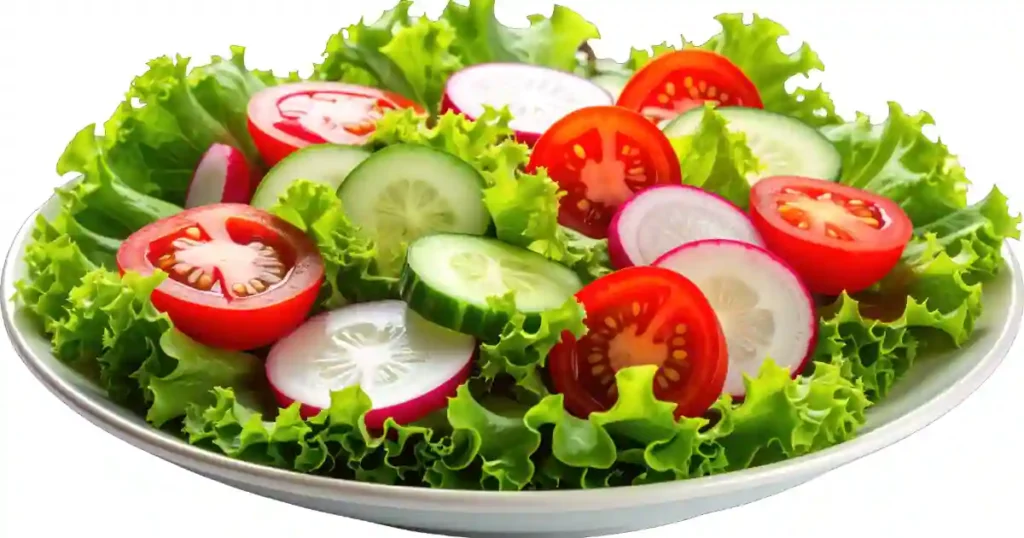
I eat a large salad before every main meal. Lettuce, cucumber, tomato, and a little lemon juice. It takes 10 minutes and costs almost nothing. By the time my main meal arrives, I’m already partially full. I eat 20–30% less of the heavier food, consistently.
Use Them as Snacks Between Meals
This was the biggest game-changer for me. I used to snack on crackers or biscuits between meals. Now I keep cut cucumber, celery sticks, and sliced bell peppers in the fridge. When I get snacky, I reach for those. The crunch is satisfying. The volume is filling. The calories are near zero.
Replace High-Calorie Sides Strategically
Not every night, not dramatically, just small swaps.
- Fries → large mixed salad with lemon dressing
- White rice side → cauliflower rice or steamed broccoli
- Chips → sliced cucumber with salt and chili powder
- Soda → sparkling water with a slice of lemon
None of these feel like punishment. They just become habits.
Add Volume to Existing Meals
You don’t have to overhaul your diet. Just add. A handful of spinach in your morning smoothie? 20 calories. Chopped zucchini in your pasta sauce? Maybe 30 extra calories for a full cup. Shredded cabbage mixed into your rice bowl? Barely registers. You’re eating more food with less caloric impact.
High-Calorie Snacks vs. Zero Calorie Alternatives
These swaps are practical. You can start tonight.
| High-Calorie Snack | Calories | Zero-Calorie Alternative | Calories | Saved |
|---|---|---|---|---|
| Potato chips (30g bag) | ~160 | Cucumber slices (200g) | ~32 | ~128 |
| Crackers (10 crackers) | ~150 | Celery sticks with lemon | ~20 | ~130 |
| Fried snacks (small serving) | ~200 | Carrot and cucumber sticks | ~40 | ~160 |
| Regular soda (350ml) | ~150 | Sparkling water with lemon | ~5 | ~145 |
| Biscuits (3 pieces) | ~180 | Apple slices + cinnamon | ~60 | ~120 |
These aren’t sacrifices. They’re upgrades with a calorie bonus.
Common Mistakes People Make With Zero Calorie Foods
I made most of these. Learn from my errors.
Mistake #1: Thinking They’re Truly “Free” in All Contexts
They’re free in calorie terms. But pairing them with high-calorie dressings, dips, or sauces completely cancels the benefit. A cucumber salad drowned in full-fat mayo isn’t low calorie anymore. Keep dressings light, lemon juice, vinegar, or a small drizzle of olive oil.
Mistake #2: Ignoring Nutritional Balance
Zero calorie foods alone will not keep you full. Balancing them with other types of food helps you feel full faster. You still need protein for muscle maintenance. Also, you need healthy fats for hormones and brain function. You need complex carbs for energy. Zero calorie foods are tools, not a complete diet.
Mistake #3: Expecting Fat Loss From Them Directly
No food burns fat directly. Not even celery. Diets based on very low-calorie food do not work as advertised but can lead to weight loss because they satisfy hunger by filling the stomach with food that is not calorically dense. The mechanism is indirect, less hunger leads to fewer calories consumed, which leads to a deficit, which leads to fat loss. That’s the actual chain.
Mistake #4: Overdoing It on “Zero Calorie” Sweeteners and Drinks
A 2024 Cell Metabolism study suggests artificial sweeteners may affect gut microbiome over long-term use, and are best consumed in moderation. Diet sodas and zero-calorie flavored drinks are not the same as vegetables and water. Stick to natural zero-calorie options where possible.
Mistake #5: Eating Only These Foods and Ignoring Everything Else
I had a client, a friend, actually, who decided to eat only zero calorie vegetables for two weeks. She lost weight fast, then crashed. No energy. Brain fog. Mood swings. Nutrient deficiency is real. Use these foods as a complement to a balanced diet, not as a replacement.
Do Zero Calorie Foods Help Burn Fat? (Honest Answer)
Let me be straight with you. No food directly burns fat. Anyone who tells you otherwise is selling something.
What zero calorie foods do is support the conditions needed for fat loss. Here’s how it actually works:
They Help Create a Calorie Deficit Fat loss requires consuming fewer calories than you burn. Zero calorie foods let you eat satisfying volumes of food while keeping total calorie intake low. That’s the deficit mechanism.
They Improve Satiety Signals High-fiber, high-water foods stretch the stomach and slow gastric emptying. This sends stronger satiety signals to your brain. You feel full sooner and stay full longer. Fewer calories consumed overall.
They Reduce Inflammatory Snacking Replacing processed snacks with vegetables reduces sugar spikes, inflammation, and insulin response. This helps your body stay in a fat-burning metabolic state for longer periods.
They Don’t Burn Fat Alone The rest of your diet matters enormously. Exercise matters. Sleep matters. Stress management matters. Zero calorie foods are one tool in a larger toolbox, and a very effective one.
A Real Day of Eating Using Zero Calorie Foods
Let me show you what this actually looks like in practice. This is a realistic day from my own routine.
Morning
- Warm lemon water (0–5 calories)
- Black coffee, no sugar (2 calories)
- Breakfast: 2 eggs with sautéed spinach and sliced tomatoes (~280 calories total)
The spinach and tomatoes add volume and nutrition for almost no extra calories.
Mid-Morning Snack
- Sliced cucumber with a pinch of salt and lemon juice (~20 calories)
- Green tea (~2 calories)
Total snack: about 22 calories. Very satisfying.
Lunch
- Brown rice (about 1 cup cooked, ~220 calories)
- Lentil curry (~200 calories)
- Large salad: lettuce, cucumber, tomato, radish, lemon dressing (~35 calories)
Total lunch: ~455 calories. The salad adds huge volume at almost no cost.
Afternoon Snack
- Sliced bell peppers and celery sticks (~30 calories)
- Sparkling water with lemon (~5 calories)
Dinner
- Grilled chicken or fish (~250 calories)
- Steamed broccoli and zucchini (~50 calories)
- Small portion of whole grain bread or rice (~150 calories)
Total dinner: ~450 calories.
Daily Total: Approximately 1,300–1,400 calories
That’s a meaningful calorie deficit for most people, without ever feeling starved. The zero calorie foods list to eat more without gaining weight makes this possible.
Expert Perspective: What Nutrition Science Says
Dr. Barbara Rolls of Penn State University has spent decades researching eating behavior. Her work on volumetrics, the concept of eating more food at lower calorie density, is the scientific foundation behind everything we’re discussing here.
Her research conclusion: “Foods with low energy density allow people to eat satisfying portions while managing calorie intake.”
This isn’t a fad. It’s peer-reviewed, replicated nutrition science. The principle is simple: people eat roughly the same weight of food each day, regardless of calorie content. So if you increase the proportion of high-water, high-fiber, low-calorie food in your diet, you naturally consume fewer calories without eating less food.
That’s the entire game. That’s all this is.
Zero Calorie Foods vs. Nutrient-Dense Foods: Finding the Balance
People sometimes think it’s one or the other. It’s not. You need both.
| Category | Example Foods | Primary Role |
|---|---|---|
| Zero/Low-Calorie | Cucumber, lettuce, celery, watermelon | Volume, fullness, hydration |
| Nutrient-Dense | Eggs, nuts, salmon, quinoa | Protein, healthy fats, micronutrients |
| Complex Carbs | Sweet potato, oats, brown rice | Sustained energy |
Zero calorie foods handle volume and hunger control. Nutrient-dense foods handle nourishment and satiety. You need both categories working together.
A plate that’s 50% vegetables, 25% protein, and 25% complex carbs hits all the right notes, and keeps you full for hours.
Emotional Eating and Zero Calorie Foods
This is something nobody talks about enough. And honestly, it’s where these foods helped me the most.
Bored Eating
You know the feeling. It’s 3 PM. You’re not hungry, you’re just bored. For me, this used to mean chips, crackers, or whatever was nearby. Now it means cucumber slices with chili powder. The act of crunching is satisfying. The ritual of preparing a snack is satisfying. And afterward, I don’t feel guilty. That shift in emotion changes your relationship with food.
Stress Eating
Stress eating is real and valid. It’s not a character flaw. But replacing stress snacks with near-zero-calorie options reduces both the calorie impact and the guilt cycle that follows. Guilt triggers more stress, which triggers more eating. Breaking that loop matters.
Building Better Automatic Habits
After about three weeks of reaching for vegetables instead of chips, it became automatic for me. I stopped thinking about it. My brain simply learned that the fridge had a “snack zone” (cut vegetables) and that’s where I went. Habit formation is hugely underrated in weight loss conversations.
The Best Zero Calorie Drinks, And What to Avoid
Drinks are where people make the most hidden calorie mistakes.
Choose These
- Plain water, The gold standard. Zero calories, essential for metabolism.
- Sparkling water, Same as water, just fizzy. Great for soda cravings.
- Black coffee, 2 calories per cup, with thermogenic benefits.
- Green tea, 2 calories per cup, with antioxidants and mild fat-oxidation effects.
- Herbal teas, Chamomile, peppermint, ginger, hibiscus, all nearly calorie-free.
- Lemon water, Lemon juice in water adds negligible calories and improves hydration habit.
Avoid These
- Sugary sodas, 150+ calories per can with zero nutritional value.
- Flavored juices, Even “natural” juices can have 120+ calories per cup and no fiber.
- Energy drinks, Often 200+ calories with excess caffeine and sugar.
- Flavored lattes and coffee drinks, A large flavored latte can top 500 calories. That’s a full meal.
- Smoothies with added sugars, Even “healthy” smoothies can easily hit 400+ calories.
I used to drink a flavored coffee drink every afternoon. That single swap, to black coffee or green tea, saved me 400 calories a day. Per week, that’s 2,800 calories. Nearly a pound per week from one change.
South Asian Context: Local Zero Calorie Foods You Already Have
If you’re in South Asia or cooking South Asian food, good news: your local market is full of perfect options. You don’t need imported superfoods.
Shasha (শসা), Cucumber Already a staple in South Asian salads. Slice it, add rock salt and lemon juice, and you have a perfect zero calorie snack.
Lau (লাউ), Bottle Gourd One of the most water-dense vegetables you can find. Often cooked in light curries. About 15 calories per 100g.
Palang Shak (পালং শাক), Spinach Incredibly nutritious, low in calories, and used extensively in local cooking. Absolutely ideal.
Karela (করলা), Bitter Gourd Unusual taste, but very low calorie (about 17 per 100g) and known for blood sugar regulation benefits.
Dhania Pata (ধনিয়া পাতা), Cilantro Nearly zero calories, used as a garnish or chutney base. Rich in vitamin K.
Shim (শিম), Flat Beans / Hyacinth Beans A local bean variety that’s low calorie and high in fiber. Common in winter cooking.
You don’t need to reinvent your kitchen. These local options are already part of your food culture, just use them more deliberately.
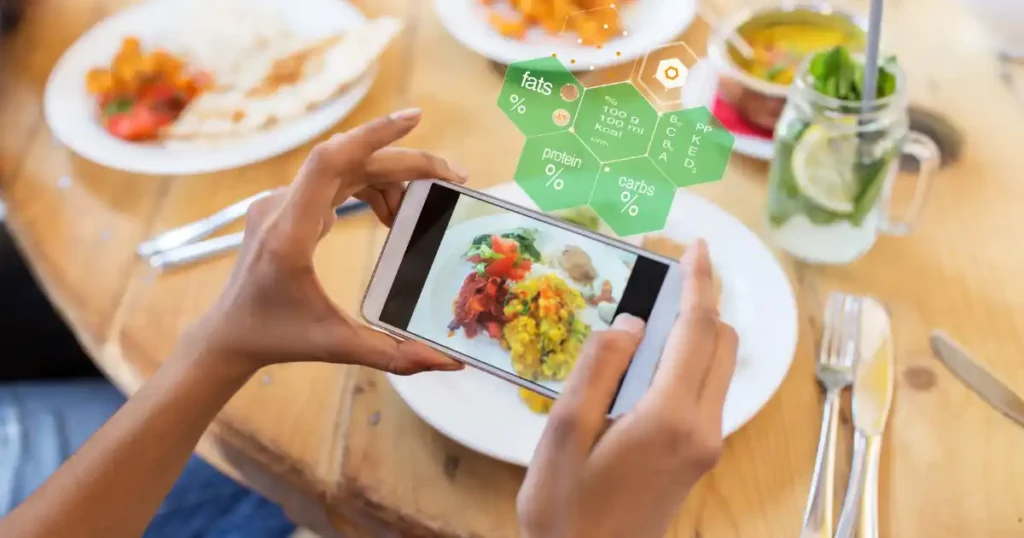
Tools to Track Your Progress Accurately
If you want to go beyond guessing, here are tools that genuinely help.
Calorie Tracking Apps
MyFitnessPal, The most comprehensive database. Tracks calories, macros, and micronutrients. Has a barcode scanner for packaged foods.
Cronometer, Better for micronutrient tracking. Great if you want to ensure you’re getting enough vitamins and minerals, not just hitting calorie goals.
Lose It!, Clean interface, easy to use, good for beginners.
Why Tracking Matters (At Least for a While)
I tracked my food for 60 days when I started. Not obsessively, just logging what I ate. The awareness alone changed my choices. I was shocked to learn that my “healthy” chicken salad from a restaurant had 700 calories because of the dressing. Tracking makes the invisible visible.
You don’t need to track forever. But doing it for 4–8 weeks teaches you the calorie reality of your regular diet. After that, you can eat intuitively with much better instincts.
Are Zero Calorie Diets Safe? What You Need to Know
An important question. And my honest answer: it depends on how you define “zero calorie diet.”
Using Zero Calorie Foods as Volume Enhancers, Safe and Effective
Adding zero calorie foods to your existing meals, eating salads before meals, snacking on vegetables, replacing chips with cucumbers, is completely safe and beneficial long-term.
Going to Extremes, Not Recommended
If you try to survive almost exclusively on zero calorie vegetables, you will develop nutritional deficiencies. No protein means muscle loss. No healthy fats means hormonal disruption. Also, no complex carbs means energy crashes and cognitive fog.
The Balanced Approach, What Actually Works
The healthiest and most sustainable approach is this:
- Fill 50% of your plate with zero/low-calorie vegetables
- 25% with lean protein
- 25% with complex carbohydrates
- Add healthy fats in moderation (olive oil, avocado, nuts)
This gives you the volume benefits of zero calorie foods while ensuring complete nutrition. It’s the approach I’ve followed for years, and it’s what most registered dietitians recommend.
Final Recommendation
Here’s the truth after everything I’ve learned and experienced. The zero calorie foods list to eat more without gaining weight is not a magic solution, it’s a practical, science-backed strategy that works when used correctly.
Start simple. This week, add a large salad before one meal per day. Replace one snack with sliced cucumber or celery. Swap your afternoon soda for sparkling water with lemon. That’s it. Don’t overhaul your entire diet overnight.
Within two weeks, notice how your hunger patterns change. Notice how you feel less guilty about eating. Notice how your portion sizes naturally decrease because you’re fuller before the main course arrives.
Then build from there. Add more vegetables to your meals. Try new options from the list. Experiment with local zero calorie foods. Keep the foods you love, just crowd them out gently with volume.
The goal is not restriction. The goal is replacement. Eat more of what serves you, and less of what doesn’t, without ever feeling deprived.
These foods work best as part of a balanced diet with adequate protein, healthy fats, and complex carbohydrates. They are tools, not a total solution. But they are remarkably effective tools.
Use them consistently, track your progress honestly, and be patient with yourself. Real, sustainable weight management doesn’t happen in two weeks. But with the right habits, and a refrigerator full of cucumber, it absolutely happens.
Eat More: Zero Calorie Foods List to Eat More Without Gaining Weight
You can fill your plate and still stay on track. Use this zero calorie foods list to eat more without gaining weight for a full and happy life.
It is a list of items that have very little energy. Your body burns most of it just to digest them. This lets you eat more without gaining weight.
Celery, cucumber, and lettuce are top picks. They are mostly water and fiber. These are great to eat more without gaining weight every single day.
Yes, these foods help you feel very full. They are a simple and smart way to curb hunger. Use them to bulk up your meals without any extra stress.
Most fresh herbs have almost no energy at all. They add a lot of taste to your meals for free. This is a key part of a zero calorie foods list.
Swap half of your pasta for zoodles or big greens. This lowers your total energy but keeps your plate full. It is a top trick to eat more without gaining weight.

Dr. Selim Yusuf, MD, PhD
Founder & Chief Medical Editor, Maintenance Calorie Calculator Expertise: Clinical Nutrition, Metabolic Health, and Exercise Physiology
Experience: 15+ Years of Practical & Clinical Experience
Dr. Selim Yusuf is a licensed physician, clinical research scientist, and dedicated metabolic health expert with over 15 years of practical experience diagnosing, managing, and treating health and nutritional issues. As the founder and chief medical editor of Maintenance Calorie Calculator, Dr. Yusuf combines a rigorous academic background with years of frontline clinical experience to provide evidence-based, highly accessible nutritional tools for the public.
Dr. Yusuf earned his Doctor of Medicine (MD) from the Johns Hopkins University School of Medicine, where he graduated with honors and developed a deep interest in preventive medicine and metabolic health disorders. Following his medical residency, he pursued advanced academic research, earning a PhD in Nutritional Sciences and Metabolism from Harvard University.
His academic and clinical training uniquely bridges the gap between complex biochemical pathways (how the human body extracts energy from food) and practical, everyday clinical care. Over the course of his 15-year career, he has authored multiple peer-reviewed research papers focusing on the management of obesity, metabolic adaptation during prolonged calorie restriction, and macronutrient optimization for lean mass preservation.
Before transitioning his focus to digital health utility platforms, Dr. Yusuf served as an administrative lead and consulting metabolic specialist within top-tier university medical centers. Beyond his institutional roles, he has worked extensively as an elite evidence-based fitness and metabolic coach, guiding hundreds of individuals, ranging from sedentary desk workers battling chronic metabolic slowdowns to competitive athletes looking to optimize body composition.
Throughout his 15 years of practice, Dr. Yusuf noticed a recurring barrier to sustainable patient success: the mathematical confusion surrounding daily nutrition. He observed that most individuals fail to reach their physical goals not from a lack of effort, but because they lack a precise biological baseline.