
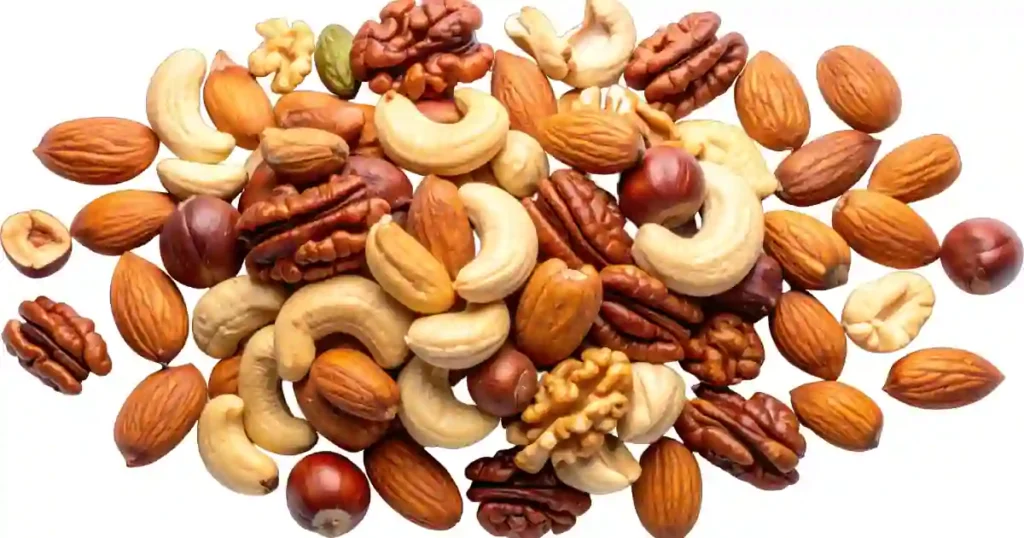
Gaining weight is harder than most people think. Back when I was living in Seattle, Washington, I ate three full meals a day and still couldn’t put on a single pound. I felt frustrated, confused, and honestly a little defeated. That’s when I started seriously learning about high calorie foods for weight gain that work fast and safely, not junk, not random snacking, but strategic, nutrient-dense eating. It changed everything for me. And today, I want to share exactly what I learned so you don’t have to go through the same trial and error I did.
What Are High Calorie Foods and Why They Matter
Let’s start with the basics. Not all calories are the same. Some fill your stomach fast but offer very little nutrition. Others pack a massive energy punch in just a few bites, and those are the ones that matter for healthy weight gain.
Simple Definition
High calorie foods are foods that provide a large amount of energy in a relatively small portion. Think peanut butter, nuts, whole milk, rice, and avocados. You don’t need to eat huge quantities. You just need to choose the right foods.
Why They Are Essential for Weight Gain
Here’s the core problem most underweight people face. They feel full too quickly. Their stomach simply won’t allow them to eat the volume of food needed to gain weight through regular low-calorie eating.
That’s exactly why calorie-dense foods are the solution. They let you:
- Create a calorie surplus without needing enormous meal sizes
- Avoid the bloated, uncomfortable feeling from overeating low-density foods
- Support muscle growth with the right nutrients alongside those calories
- Sustain energy levels throughout the day
Once I switched from eating more volume to eating more density, the difference was immediate. Same meal frequency, completely different results.
Real-Life Moment
Picture a humid Tuesday afternoon. You’ve already had rice and dal for lunch and feel too full to eat another bite. But you’re still 600 calories short of your daily target. That’s where calorie-dense options like a handful of cashews or a banana peanut butter shake completely change the game. Small portion. Big calories. No discomfort.
How Many Calories Do You Need to Gain Weight?
Before picking foods, you need a number to aim for. Without a target, you’re just guessing.
The Basic Rule Every Nutritionist Agrees On
Your maintenance calories are the number of calories your body burns daily just to stay the same weight. To gain weight, you need to eat above that number.
- Gradual, lean weight gain: Maintenance + 300 to 500 calories per day
- Faster weight gain: Maintenance + 700 to 1,000 calories per day
For most people, the gradual approach leads to more muscle and less fat gain. The faster approach works too, but requires more attention to food quality.
Factors That Affect Your Calorie Needs
Everyone’s body is different. Here’s what changes how many calories you personally need:
- Age: Younger people often have faster metabolisms
- Activity level: Athletes and manual workers burn far more calories
- Metabolism: Some people are naturally fast burners
- Body size: Taller, heavier people need more to maintain their weight
- Hormonal health: Thyroid conditions and other issues can affect calorie use
I used a TDEE (Total Daily Energy Expenditure) calculator online to find my starting point. It gave me a clear number. Then I added 400 calories on top and tracked my weight weekly.
Expert Insight
The Academy of Nutrition and Dietetics consistently emphasizes that a balanced calorie surplus built on nutrient-dense foods supports sustainable, healthy weight gain, not just an increase in body fat. That distinction matters enormously. Eating 500 extra calories from potato chips is very different from eating 500 extra calories from eggs, rice, and peanut butter.
Best High Calorie Foods for Healthy Weight Gain
These are the foods I personally use and recommend. They are practical, affordable, and genuinely effective.
Nuts and Nut Butters
Nuts are one of the most calorie-dense natural foods on earth. A single 100-gram serving of almonds contains around 579 calories. Macadamia nuts hit 718 calories per 100 grams, one of the highest calorie-per-gram ratios of any whole food.
The best options include:
- Almonds – 579 calories per 100g, rich in vitamin E and magnesium
- Peanuts – around 567 calories per 100g, high in protein too
- Cashews – 553 calories per 100g, great creamy flavor
- Macadamia nuts – 718 calories per 100g, highest fat content
Peanut butter deserves its own mention. Just two tablespoons give you around 190 to 200 calories. Spread it on bread, blend it in a shake, or eat it by the spoon. It’s one of the easiest calorie boosts in existence.
Dairy Products
Dairy is my personal favorite category for weight gain because it hits both protein and calories at once.
- Whole milk: Around 149 calories per cup, with protein, carbs, and fat all included
- Cheese: One ounce of cheddar has 110 calories and 7 grams of protein
- Greek yogurt: Protein-packed, gut-friendly, and around 100 to 150 calories per serving
- Heavy cream: Can be added to coffee, oats, or shakes for a serious calorie boost
I started adding full-fat milk to my oats every morning. That one change added about 150 extra calories to my breakfast without making me eat more volume.
Rice and Whole Grains
Carbohydrates are your best friend when gaining weight. They’re easy to digest, easy to eat in large quantities, and a staple in almost every culture’s food tradition.
- White rice: About 204 calories per cooked cup, plus 44 grams of carbohydrates
- Brown rice: Slightly fewer calories but more fiber and micronutrients
- Oats: Around 300 calories per dry cup, excellent for breakfast
- Whole grain bread: 130 to 160 calories per slice, easy to stack with toppings
Rice is particularly effective because it’s easy to eat large portions of without feeling overly stuffed. I could eat two cups of rice at a meal without discomfort. Two cups of salad? Not a chance.
Healthy Fats
Fat is the most calorie-dense macronutrient, 9 calories per gram compared to 4 for protein and carbs. Including healthy fat sources gives you maximum calorie return for minimum volume.
- Avocado: One whole avocado contains around 320 calories with heart-healthy fats, fiber, potassium, and vitamin E
- Extra virgin olive oil: About 120 calories per tablespoon, drizzle it on everything
- Coconut oil: Similar calorie density, great for cooking
- Butter (in moderation): 100 calories per tablespoon, easy to add to toast, rice, or vegetables
Just one drizzle of olive oil over your rice or pasta can add 100 to 120 calories without changing the taste much at all.
Protein-Rich Foods
Protein is what turns your calorie surplus into muscle rather than fat. Without adequate protein, gaining weight can mean mostly fat gain, which is not the goal.
- Eggs: About 70 calories each, 6 grams of protein, and highly versatile
- Chicken thighs: Higher fat than chicken breast, around 250 calories per 100g
- Fatty fish (salmon): About 208 calories per 100g, rich in omega-3 fatty acids
- Red meat: Rib-eye steak contains nearly 1,000 calories for a full steak and is loaded with protein, iron, and B vitamins
- Cottage cheese: High in protein, calcium, and gut-friendly probiotics
I try to include protein in every single meal. Not just for muscle building, but because protein also keeps energy stable throughout the day.
Top High Calorie Foods and Their Nutritional Value
Here’s the expert quick-reference table I built for myself early on. Use this whenever you need a fast decision on what to add to your plate.
| Food Item | Calories (per 100g) | Protein | Fat | Carbs |
|---|---|---|---|---|
| Macadamia Nuts | 718 | 8g | 76g | 14g |
| Peanut Butter | 588 | 25g | 50g | 20g |
| Almonds | 579 | 21g | 49g | 22g |
| Dark Chocolate (70%) | 598 | 8g | 43g | 46g |
| Avocado | 160 | 2g | 15g | 9g |
| White Rice (cooked) | 130 | 2.5g | 0.3g | 28g |
| Whole Milk | 61 | 3.2g | 3.3g | 4.8g |
| Cheddar Cheese | 403 | 23g | 33g | 1.3g |
| Salmon | 208 | 20g | 13g | 0g |
| Banana | 89 | 1.1g | 0.3g | 23g |
Small portions, big energy. That’s the whole strategy.
Healthy vs Unhealthy High Calorie Foods
This is the most important distinction I want you to understand. Not all high calorie foods are equal. Choosing the wrong ones leads to fat gain, low energy, poor health, and a body that doesn’t feel good even if the scale goes up.
Healthy High Calorie Options
These are the foods that fuel your body while adding weight:
- Nuts and seeds – healthy fats, protein, fiber, and micronutrients
- Whole grains – complex carbohydrates that provide steady energy
- Lean and fatty proteins – support muscle growth and recovery
- Natural fats – avocado, olive oil, eggs, dairy
- Whole fruits – bananas, mangoes, dates for natural sugar and calories
Unhealthy High Calorie Options
These add weight fast, but the wrong kind:
- Sugary snacks and candy – spikes blood sugar, promotes fat storage
- Processed fast food – ultra-processed, high in sodium and poor-quality fats
- Soda and sweet drinks – empty calories with zero nutritional benefit
- Packaged chips and fried snacks – calorie-dense but nutritionally hollow
Research published in peer-reviewed journals consistently shows that diets high in ultra-processed foods are associated with greater fat gain and worse metabolic outcomes, even when calories are matched to whole food diets.
Why Dirty Bulking Is a Mistake
“Dirty bulking” means eating anything and everything to gain weight fast. It works, but you end up gaining mostly fat, feeling sluggish, and dealing with poor digestion. Cleaning that up later takes twice the effort.
Clean bulking, using high calorie foods for weight gain that work fast and safely, takes slightly longer but produces far better results. You gain more muscle, less fat, and feel good throughout the process.
High Calorie Meal Ideas for Your Daily Routine
Theory is great. But what does a real day of eating look like? Here’s how I structure my meals.
Breakfast (Target: 600–700 Calories)
My go-to morning meal is one that combines carbs, fat, and protein without taking too long to prepare.
- 1 cup oats cooked in whole milk
- 2 tablespoons peanut butter stirred in
- 1 medium banana sliced on top
- 1 glass of whole milk on the side
Total: roughly 650 calories. It’s filling but not heavy. It sets up the whole day.
Lunch (Target: 700–900 Calories)
Lunch is my biggest meal. I load it up because I have energy to burn in the afternoon.
- 2 cups cooked white rice
- Chicken curry or eggs cooked in oil
- Mixed vegetables with a drizzle of olive oil
- 1 cup full-fat yogurt as a side
Total: around 800 to 900 calories. Satisfying, balanced, and rich in both protein and carbs.
Afternoon Snack (Target: 300–400 Calories)
This snack is critical. It keeps calories coming in between meals without overwhelming my stomach.
- 1 medium banana
- A handful of mixed nuts (almonds, cashews, peanuts)
- Or a small peanut butter sandwich on whole grain bread
Total: 300 to 400 calories. Quick, easy, no cooking required.
Dinner (Target: 600–800 Calories)
Dinner is lighter than lunch but still calorie-dense.
- Rice or roti (flatbread)
- Eggs or fish
- Side salad with olive oil dressing
- A glass of whole milk
Total: around 700 calories. Ends the day on a strong nutritional note.
Sample 3,000-Calorie Weight Gain Meal Plan
Here’s how a full day breaks down when you’re targeting around 3,000 calories. I used this exact structure during my own weight gain phase.
| Meal | Food Items | Approximate Calories |
|---|---|---|
| Breakfast | Oats + whole milk + peanut butter + banana | 650 |
| Morning Snack | Banana + almonds + glass of milk | 350 |
| Lunch | Rice + chicken curry + yogurt | 850 |
| Afternoon Snack | Peanut butter sandwich + milk | 400 |
| Dinner | Rice + eggs + vegetables + olive oil | 700 |
| Total | ~2,950–3,000 |
Notice how the calories are spread across five to six meals. You never feel overly full at once. The day flows naturally and the calories add up.
Best High Calorie Drinks for Weight Gain
Sometimes eating your calories is harder than drinking them. Liquid calories digest faster and leave you with more room to eat solid food later.
High Calorie Smoothies
This is my top recommendation for anyone struggling to eat enough. A good smoothie can pack 400 to 600 calories in a single glass.
My personal recipe:
- 1 medium banana
- 1 cup whole milk
- 2 tablespoons peanut butter
- 1 tablespoon honey
- Handful of oats
Blend it all together. That’s roughly 500 calories in one drink. Add protein powder and you’re looking at 600+.
Milk-Based Drinks
- Whole milk: 149 calories per cup, complete protein, calcium, and healthy fats
- Chocolate milk: Around 208 calories per cup, great post-workout
- Homemade mass gainer: Blend oats, milk, nuts, banana, and peanut butter for a 600+ calorie shake
Why These Beats Store-Bought Mass Gainers
Commercial mass gainers are often loaded with sugar, artificial sweeteners, and low-quality protein. Homemade versions give you the same calories with real nutrition. And they’re cheaper.
Common Mistakes When Trying to Gain Weight
I made every single one of these. Learn from me so you don’t have to repeat them.
Mistake 1: Thinking You’re Eating More Than You Actually Are
This was my biggest mistake. I felt like I was eating constantly. But when I actually tracked my calories, I was 500 to 800 short of my target every single day.
The fix: Track your food for at least two weeks. Use a free app like MyFitnessPal. The numbers will surprise you.
Mistake 2: Relying Only on Junk Food
Yes, junk food is high in calories. But it leads to fat gain, not muscle. It causes energy crashes, poor digestion, and inflammation. High calorie foods for weight gain that work fast and safely come from real, whole food sources, not drive-throughs.
Mistake 3: Skipping Meals
Consistency beats occasional big meals every time. Eating 3,000 calories three days and 1,500 the next four doesn’t equal a clean surplus. Your body needs steady input.
Set meal times and stick to them. Even if you’re not hungry, have your snack. The habit builds the result.
Mistake 4: Ignoring Sodium and Processed Food
High-sodium, ultra-processed foods can cause water retention, bloating, and inflammation. This makes you look puffy without actually building healthy tissue. Focus on whole food sources of calories.
Mistake 5: Not Pairing Calories with Protein
If you eat a calorie surplus without enough protein, your body stores the excess primarily as fat. Aim for at least 0.7 to 1 gram of protein per pound of bodyweight when gaining weight.
How to Gain Weight Without Feeling Too Full
Feeling constantly stuffed is one of the main reasons people fail to gain weight. Here’s how to solve it.
Eat Smaller, More Frequent Meals
Five to six smaller meals beats three large ones every time when your appetite is limited. Your stomach never hits maximum capacity. Calories keep coming in throughout the day.
Use Calorie-Dense Additions to Every Meal
These are small additions that add major calories:
- Add olive oil to rice or pasta (+120 calories per tablespoon)
- Spread peanut butter on toast or stir into oats (+190 per 2 tbsp)
- Add cheese to eggs or sandwiches (+110 per ounce)
- Use whole milk instead of water in cooking (+150 per cup)
- Add avocado to any meal (+320 calories per whole avocado)
These aren’t extra meals. They’re additions to what you’re already eating.
Avoid Drinking Water Right Before Meals
Water fills your stomach quickly. If you drink a large glass right before eating, you’ll feel full before finishing your meal. Drink water between meals instead.
Eat Faster (Within Reason)
Your brain takes about 20 minutes to register fullness. If you eat slowly, you’ll feel full before finishing your plate. A slightly faster eating pace during weight gain can help you hit your calorie targets.
Real-Life Example: A Day of Smart Weight Gain
Let me walk you through an actual day from my own weight gain journey.
Morning starts slightly rushed. I blend a banana shake with whole milk and peanut butter and drink it before heading out. No cooking. Takes three minutes. Already 500 calories in.
Midmorning, I grab a handful of cashews from my bag. That’s 200 calories I barely notice.
Lunch is rice, chicken cooked in oil, and a side of yogurt. I drizzle a little olive oil over the rice. Total: around 900 calories. I feel satisfied but not stuffed.
Around 4 PM, I have a peanut butter sandwich with a glass of milk. Simple. Fast. 350 calories.
Dinner is roti with eggs, stir-fried in butter, and a side of vegetables. I finish with another glass of whole milk. Around 700 calories.
I didn’t feel forced. I didn’t overeat. The calories added up naturally to just under 2,800, right in my target range. That’s the power of choosing the right foods.
Expert Advice on High Calorie Foods for Weight Gain
Registered dietitians and nutrition scientists consistently emphasize one key point: calorie density and nutrient quality must go together.
Dr. Michael Greger, a physician and nutrition researcher, has spoken extensively about the importance of focusing on nutrient-rich whole foods rather than processed calorie sources. The core message from nutrition science is clear, focus on calorie density and nutrient quality together. Not just eating more, but eating smarter.
The Academy of Nutrition and Dietetics recommends working with a registered dietitian nutritionist (RDN) if you struggle to gain weight consistently. Medical conditions like hyperthyroidism, celiac disease, or digestive disorders can make weight gain genuinely difficult and may require professional guidance.
Best Foods for Muscle Gain vs General Weight Gain
There’s an important difference here. Not all weight gain is equal.
Foods That Favor Muscle Gain
When your goal is building lean muscle mass, prioritize high-protein, calorie-dense foods:
- Eggs – complete protein, healthy fat, 70 calories each
- Chicken thighs – higher fat than breast, better calorie density
- Salmon – protein plus omega-3s that support muscle recovery
- Greek yogurt – protein, probiotics, and calcium for bone health
- Whole milk – protein, fat, carbs in one complete package
- Cottage cheese – slow-digesting protein, great before bed
Foods That Support General Weight Gain
When you just need more mass overall, these carbohydrate and fat staples are your best tools:
- White rice – easy to eat in large portions, high in carbs
- Potatoes – around 160 calories per medium potato, filling but not heavy
- Whole grain bread – calorie-dense and easy to add toppings to
- Bananas – 89 to 105 calories each, potassium-rich, great for energy
- Dates – among the most calorie-dense fruits, extremely sweet and filling
The Smart Approach: Combine Both
The best weight gain strategy uses both categories together. Build every meal around a protein source, add a carbohydrate base, and finish with a healthy fat. That combination gives you muscle-building material, energy fuel, and calorie density in one plate.
High Calorie Snacks That Are Easy to Add
These snacks are my go-to options on busy days or days when cooking feels like too much effort.
| Snack | Approximate Calories |
|---|---|
| Peanut butter sandwich (2 slices whole grain bread) | 350–400 |
| Banana + glass of whole milk | 240 |
| Handful of mixed nuts (almonds, cashews, peanuts) | 200–250 |
| Cheddar cheese sandwich | 300 |
| Avocado on toast (2 slices) | 350 |
| Dark chocolate (40g) | 240 |
| Homemade banana peanut butter smoothie | 450–500 |
Snacks are where people leave the most calories on the table. Adding just two snacks a day can add 500 to 700 calories without a single extra main meal.
How Long Does It Take to Gain Weight Safely?
Patience is non-negotiable here. I know you want fast results, so did I. But sustainable weight gain takes time.
Realistic Timeline
- Healthy rate: 0.25 to 0.5 kilograms (0.5 to 1 pound) per week
- Faster rate: Up to 1 kilogram per week if eating a large surplus
If you’re gaining faster than 1 kg per week consistently, you’re likely gaining more fat than muscle. Slow it down slightly and focus on food quality.
What Speeds Up or Slows Down Progress
- Diet consistency – missing days slows everything down
- Exercise – weight training dramatically improves the ratio of muscle to fat gained
- Sleep – muscle is built during rest, not during workouts
- Stress levels – high cortisol can inhibit weight gain even with a calorie surplus
- Hydration – proper hydration supports metabolism and nutrient absorption
Should You Exercise While Eating High Calorie Foods for Weight Gain?
Short answer: yes, absolutely. Exercise, especially resistance training, is what separates healthy weight gain from just getting softer.
Why Exercise Matters During a Bulking Phase
Without resistance training, a calorie surplus gets stored predominantly as fat. With weight training, your body uses that surplus to build muscle tissue instead.
The benefits of exercising while on a high calorie diet include:
- More muscle gain relative to fat gain
- Improved appetite, making it easier to hit calorie targets
- Better insulin sensitivity, so calories get directed to muscle
- Stronger bones and joints that support your new body weight
Best Types of Exercise
- Compound weight training – squats, deadlifts, bench press, rows. These build the most muscle in the least time.
- Bodyweight training – push-ups, pull-ups, dips. Effective if you don’t have gym access.
- Avoid excessive cardio – it burns calories you need for weight gain
I started with three weight training sessions per week while eating my calorie surplus. Within eight weeks, my clothes fit differently, my arms were bigger, and the scale had moved up by about 3 kilograms.
The Emotional Side of the Weight Gain Journey
Nobody talks about this part. But it’s real, and it matters.
The Frustration Is Real
You’re eating more than ever. You’re tracking everything. And the scale barely moves. It feels unfair.
Here’s the truth: your body resists change in both directions. Just as overweight people struggle to lose weight, underweight people often struggle to gain it. This is biology, not failure.
Social Pressure Doesn’t Help
People say things like “just eat more” or “you’re so lucky you can eat anything.” These comments aren’t helpful. They minimize a genuine struggle.
You don’t need to justify your journey to anyone. Stick to your plan.
Small Progress Is Still Progress
A 0.5 kilogram gain in two weeks feels tiny. But that’s 1 kilogram per month. That’s 12 kilograms in a year. Consistency over time is everything.
Track your progress with photos, measurements, and how your clothes fit, not just the scale. The scale can fluctuate daily due to water and food weight. Monthly trends tell the real story.
Final Recommendation
After everything I’ve experienced and researched about high calorie foods for weight gain that work fast and safely, here’s my honest final advice.
Start simple. Don’t overhaul your entire diet at once. Pick two or three high calorie foods from this guide that you already enjoy, maybe peanut butter, whole milk, and rice, and add more of them to what you already eat. Track your calories for two weeks. See where you actually stand.
Then build from there.
The most effective eating plans for weight gain are the ones you can stick to consistently. A 3,500-calorie plan you follow for three days beats a perfect plan you abandon after a week.
Here’s what I’d put in your starting toolkit:
- Morning: Oats with peanut butter and milk
- Midday snack: A handful of nuts or a banana
- Lunch: Rice with protein and a drizzle of olive oil
- Afternoon: A quick smoothie or peanut butter sandwich
- Dinner: Protein + carbs + healthy fat
Add resistance training three times per week. Sleep seven to nine hours. Manage stress.
High calorie foods for weight gain that work fast and safely aren’t complicated. They’re just consistent. Real foods, real calories, real effort, every day.
You’ll see results. Give it the time it deserves.
Eat for Growth: High Calorie Foods for Weight Gain That Work Fast and Safely
Fueling your body the right way helps you build strength. Here are high calorie foods for weight gain that work fast and safely to reach your goals.
Nuts and nut butters are top picks. They have a lot of fuel in just a small bite. These are great high calorie foods for weight gain that work fast.
Focus on healthy fats like olive oil or avocado. These add energy without hurting your heart. It is a very safe and smart way to grow your body.
Yes, smoothies with oats and protein are great. They are easy to drink even when you are full. This is a key part of weight gain that works fast.
Try to eat five or six small meals each day. This keeps your energy high and steady. It is a top trick for high calorie foods for weight gain.
Yes, but add oil or cheese to them for more power. This keeps your health high while you grow. It is a smart way to use high calorie foods for weight gain.=

Dr. Selim Yusuf, MD, PhD
Founder & Chief Medical Editor, Maintenance Calorie Calculator Expertise: Clinical Nutrition, Metabolic Health, and Exercise Physiology
Experience: 15+ Years of Practical & Clinical Experience
Dr. Selim Yusuf is a licensed physician, clinical research scientist, and dedicated metabolic health expert with over 15 years of practical experience diagnosing, managing, and treating health and nutritional issues. As the founder and chief medical editor of Maintenance Calorie Calculator, Dr. Yusuf combines a rigorous academic background with years of frontline clinical experience to provide evidence-based, highly accessible nutritional tools for the public.
Dr. Yusuf earned his Doctor of Medicine (MD) from the Johns Hopkins University School of Medicine, where he graduated with honors and developed a deep interest in preventive medicine and metabolic health disorders. Following his medical residency, he pursued advanced academic research, earning a PhD in Nutritional Sciences and Metabolism from Harvard University.
His academic and clinical training uniquely bridges the gap between complex biochemical pathways (how the human body extracts energy from food) and practical, everyday clinical care. Over the course of his 15-year career, he has authored multiple peer-reviewed research papers focusing on the management of obesity, metabolic adaptation during prolonged calorie restriction, and macronutrient optimization for lean mass preservation.
Before transitioning his focus to digital health utility platforms, Dr. Yusuf served as an administrative lead and consulting metabolic specialist within top-tier university medical centers. Beyond his institutional roles, he has worked extensively as an elite evidence-based fitness and metabolic coach, guiding hundreds of individuals, ranging from sedentary desk workers battling chronic metabolic slowdowns to competitive athletes looking to optimize body composition.
Throughout his 15 years of practice, Dr. Yusuf noticed a recurring barrier to sustainable patient success: the mathematical confusion surrounding daily nutrition. He observed that most individuals fail to reach their physical goals not from a lack of effort, but because they lack a precise biological baseline.